• Skip to primary navigation
  • Skip to main content
Cleared Cyber Security Jobs | CyberSecJobs.com

Cleared Cyber Security Jobs | CyberSecJobs.com

Cleared Cyber Security Jobs

  • Home
  • Search Cleared Cyber Jobs
  • Job Fairs
  • Career Resources

CyberSecJobs Editorial

Python Cleared SOC Analyst Skills – The $20K Programming Premium

CyberSecJobs Editorial · October 4, 2025 · Leave a Comment

Python skills can add up to $20,000 to the annual salaries of cleared SOC analysts, making it a must-have in cybersecurity. Why? Python automates repetitive tasks, processes massive datasets, and integrates with cybersecurity tools, saving time and improving efficiency.

Key takeaways:

  • Salary Impact: Analysts with Python earn $120K-$160K+, while others fall on the lower end.
  • Automation: Python scripts handle alert triage, log parsing, and incident response faster.
  • Real Use: Examples include using APIs for threat detection and creating custom malware analysis tools.
  • Tools: Libraries like Pandas, Scapy, and PyMISP simplify data handling, network analysis, and threat intelligence.
  • Career Boost: Highlight Python projects on resumes and in interviews to stand out.

Python isn’t just a skill – it’s a career accelerator in cleared SOC roles, offering both higher pay and advanced opportunities.

Security Operations Center Training and Python
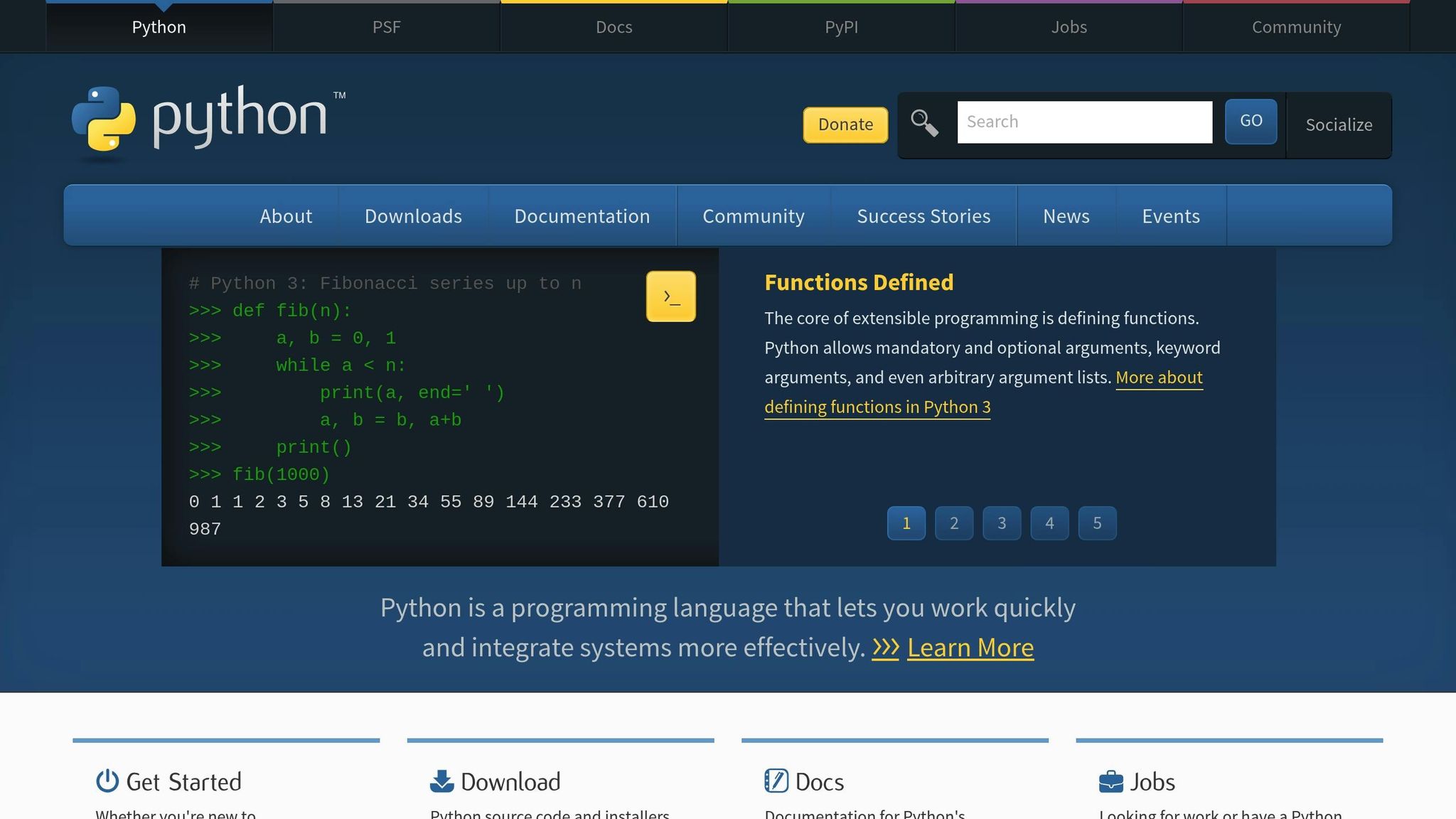
Python

The $20K Python Salary Increase: Breaking Down the Numbers

If you’re a cleared SOC analyst, knowing Python could mean an extra $20,000 in your annual paycheck.

Salary Comparison: Cleared SOC Analysts With vs. Without Python Skills

For senior SOC analysts and team leads, salaries often range from $120,000 to $160,000+ per year [2]. Those at the higher end of this spectrum typically owe their bump in pay to Python expertise. While experience plays a role, Python stands out as a skill that consistently adds a significant edge.

This trend aligns with what’s happening across the broader tech industry.

Market Trends: Why Python is Required for SOC Roles

Why is Python such a game-changer for SOC analysts? One word: automation. With 91% of Security Operations Centers (SOCs) investing in automation tools [2], there’s a growing need for experts who can build, manage, and optimize these systems. Python is often the go-to language for creating tools that handle tasks like filtering alerts, automating responses, and simplifying investigations – all critical in combating alert fatigue and managing the flood of security notifications [2].

As cybersecurity threats evolve, SOC analysts are expected to create custom solutions on the fly. Python not only helps them solve complex problems but also positions them for career growth by enabling them to take on more strategic and impactful responsibilities [2].

Python Applications for Cleared SOC Analysts: Practical Examples

Python is a game-changer for Security Operations Center (SOC) analysts in government and defense settings, simplifying tasks like alert triage, log parsing, and malware investigation. Below are some practical ways Python enhances daily SOC operations.

Automating Threat Detection and Incident Response

Python takes the headache out of managing thousands of daily alerts by automating alert triage. It categorizes alerts, matches them with threat feeds, and even triggers responses automatically. For incident response, Python can pull data from tools like SIEMs, endpoint protection, and network monitoring systems to create standardized incident reports in minutes – what once took hours.

It also integrates effortlessly with ticketing systems like ServiceNow or Remedy. Python scripts can generate incident tickets with pre-filled fields based on alert data, eliminating manual entry and ensuring documentation meets the strict standards required in cleared environments.

Streamlining Log Analysis and Parsing

Python simplifies the often tedious task of log analysis by parsing massive amounts of log data from diverse sources like Windows event logs, Syslog, and firewall logs. Unified Python scripts can handle it all.

With tools like regular expressions and machine learning libraries, Python identifies unusual patterns, detects privilege escalations, and flags anomalies in real time. For presenting findings, data visualization libraries like Matplotlib and Plotly allow analysts to create charts that illustrate attack timelines, affected systems, and threat progression – ideal for classified briefings.

Python’s ability to process large-scale log data is invaluable, particularly in air-gapped networks where commercial tools might not be an option. Its scripts can sift through gigabytes of data, filter out noise, and highlight genuine security events, saving analysts significant time and effort.

Enhancing Malware Analysis and Reverse Engineering

Python also shines in malware analysis, supporting both static and dynamic approaches. Libraries like pefile and yara-python allow analysts to dissect executables and craft custom malware signatures.

Automation is key here. Python scripts can extract indicators of compromise (IOCs) from malware samples, cross-check them with threat intelligence databases, and generate detailed reports – all in a fraction of the time it would take manually. These scripts can also decode network traffic, extract payloads, and identify command-and-control communications, providing a comprehensive view of the threat.

Another major advantage is Python’s ability to support custom tool development. Cleared analysts often face unique challenges, such as proprietary systems or specialized threats. Python’s flexibility enables them to build tailored tools that meet their specific needs, avoiding the limitations of off-the-shelf solutions.

sbb-itb-bf7aa6b

Top Python Tools and Libraries for SOC Analysts

Python’s versatility is amplified by a collection of specialized tools and libraries that are particularly useful for SOC (Security Operations Center) analysts. These tools are chosen for their reliability and ability to enhance workflows in cleared environments.

Core Libraries for Threat Detection and Analysis

PyMISP is a powerful library designed for automating threat intelligence. It connects seamlessly to MISP (Malware Information Sharing Platform) using its REST API, enabling analysts to access and manage threat intelligence programmatically. With PyMISP, you can fetch events, update attributes, manage malware samples, and perform attribute searches without manual effort [3][4]. When paired with machine learning tools like scikit-learn, TensorFlow, or PyTorch, PyMISP can help identify new malicious patterns. For cleared SOC analysts, it streamlines the ingestion, enrichment, and analysis of threat feeds, saving time and ensuring up-to-date intelligence.

Scapy is a go-to library for packet manipulation and network analysis. It supports tasks like packet sniffing, network testing, scanning, and penetration testing, all with minimal overhead [5][8]. This makes it invaluable for identifying network anomalies, analyzing suspicious traffic, and detecting threats in real time.

Pandas is a must-have for handling the large datasets that SOC analysts work with daily. It simplifies processing extensive log files, enabling machine learning applications, post-incident analyses, and structured reporting [6][7]. When faced with massive volumes of security logs, Pandas helps analysts extract meaningful insights efficiently.

These foundational libraries form the backbone of Python-based SOC workflows, but additional scripting tools can further enhance operational efficiency.

Scripting Tools for SOC Workflows

Requests is a library that simplifies interactions with APIs, making it ideal for pulling data from threat feeds, submitting samples to analysis platforms, and connecting with cloud-based security services. For SOC analysts working with a variety of APIs, Requests offers a consistent and user-friendly interface.

BeautifulSoup is perfect for automating web scraping tasks. It can gather and parse data from online sources like forums, paste sites, or other platforms where threat information might appear. When combined with Requests, it enables automated workflows that monitor multiple sources simultaneously for potential threats.

Jupyter Notebooks provide an interactive workspace where analysts can combine various tools into cohesive workflows. These notebooks make it easy to integrate PyMISP for threat intelligence, Pandas for data analysis, and Scapy for network monitoring. They also allow analysts to document their processes, share techniques with colleagues, and maintain consistent workflows across teams. To ensure security, sensitive credentials like API keys and MISP URLs should be stored in encrypted configuration files, and notebooks should be run in controlled environments with strict access permissions.

Comparison Table: Tools, Use Cases, and Benefits

Here’s a quick overview of the tools and their primary applications in SOC operations:

Tool/Library Primary Use Case Key Benefit for SOC Analysts
PyMISP Threat intelligence automation Streamlines CTI data ingestion and enrichment workflows [3][4]
Scapy Network packet analysis Enables real-time traffic monitoring and anomaly detection [5][8]
Pandas Large dataset processing Efficiently handles gigabytes of log data for analysis [6][7]
Requests API integration Simplifies interactions with multiple security APIs
BeautifulSoup Web scraping Automates collection of threat intelligence from online sources
Jupyter Notebooks Workflow orchestration Interactive platform for building and sharing repeatable workflows

Together, these tools make Python an indispensable asset for SOC analysts. By combining automation, data processing, and analytics, Python allows analysts to tackle repetitive tasks, integrate diverse data sources, and implement intelligent responses. In cleared environments, where off-the-shelf solutions may face limitations, Python’s flexibility empowers analysts to customize their tools to meet specific mission requirements.

Highlighting Python Skills for Cleared Cybersecurity Jobs

If you’re aiming for high-paying SOC analyst roles, showcasing your Python skills is a must. Python is one of the most in-demand programming languages for Security Analyst positions, and knowing how to present your expertise can make all the difference for cleared professionals [9]. Here’s how to effectively highlight these abilities in your resume and interviews.

Writing Resumes and Preparing for Interviews with Python Skills

When crafting your resume, tailor it to each job posting by emphasizing your Python expertise and using relevant keywords to navigate applicant tracking systems (ATS) [9][10][11].

  • Add a dedicated section like "Programming Languages" or "Scripting" to make your Python skills stand out [9][10][11].
  • Highlight hands-on experience with Python in your work history. For example, mention projects such as building SIEM dashboards, running vulnerability analyses in virtual environments, or contributing to open-source security tools. This demonstrates practical application rather than just theoretical knowledge [9][10][11].
  • Use metrics to quantify your achievements. For instance, you could write, “Automated log analysis with Python, cutting incident response time by 40% while processing over 50,000 daily events.” Specific numbers help hiring managers understand the impact of your work [10][11].
  • Choose strong action verbs like "Developed", "Automated", "Implemented", "Optimized", or "Secured" to describe your Python-related accomplishments [11].

For interviews, focus on mastering Python fundamentals and its applications in cybersecurity [13]. Be ready to demonstrate skills such as text parsing for log analysis, interacting with security tool APIs, and creating automation scripts for repetitive SOC tasks [13][12][1]. You should also practice writing Python scripts for malware analysis, such as examining file headers, monitoring execution behavior, and analyzing code in controlled environments [12][1].

Using Cleared Cyber Security Jobs to Find Python-Focused Roles
Cleared Cyber Security Jobs

Once your resume is polished, use Cleared Cyber Security Jobs to search for Python-centric opportunities. The platform offers tools like filters, resume uploads, and custom alerts to help you find roles tailored to cleared professionals with Python expertise.

Participate in job fairs hosted on the platform to connect directly with employers. These events give you the chance to discuss your Python projects face-to-face, making a stronger impression.

Additionally, the platform provides career resources specifically designed for cleared cybersecurity professionals. These resources can guide you on how to position your Python skills to meet the unique demands of cleared environments.

Certifications and Training Programs to Improve Python Skills

Formal certifications can validate your Python skills and give you an edge in the job market. Look for certifications and training programs that combine Python programming with SOC-specific tasks, such as threat detection, log analysis, and incident response.

Seek out courses that focus on automating security tasks or vendor-specific training that highlights Python’s integration with commercial security tools. Many online platforms offer flexible options tailored for cybersecurity professionals wanting to deepen their Python knowledge.

Earning these certifications not only strengthens your resume but also demonstrates your dedication to continuous learning and growth within the cleared cybersecurity field.

Conclusion: Advancing Your Career with Python Skills

Python programming skills offer a clear path to better pay and career growth for cleared SOC analysts. As highlighted earlier, these skills directly enhance efficiency and improve security operations. The $20,000 salary premium reflects how much the market values professionals who can automate threat detection, simplify log analysis, and create custom security tools.

The demand for SOC analysts with Python expertise is steadily increasing as organizations seek the efficiency these skills bring. Automating incident response processes and managing large volumes of security data with custom scripts or parsers makes you an essential part of any team. These practical contributions can lead to exciting career advancements.

Learning Python is an ongoing process, and the cleared cybersecurity field places a high value on continuous growth and hands-on experience. Whether you’re automating SIEM workflows, dissecting malware, or integrating security APIs, every project you complete strengthens your skill set and professional reputation. This consistent focus on growth ties directly to the benefits discussed earlier.

Combining a security clearance with Python knowledge gives you a unique edge in the job market. The ability to apply these skills to real-world challenges sets you apart and positions you for roles that go beyond the typical SOC analyst scope. It’s this blend of clearance and technical ability that opens doors to higher-level opportunities.

To stand out even more, build a portfolio of Python projects that solve real SOC problems. Document your automation achievements, calculate the time saved, and highlight how your code has improved security operations. Concrete examples like these can make all the difference in advancing your career.

FAQs

How can Python skills help a cleared SOC analyst earn up to $20,000 more?

Python expertise can add a substantial boost to a cleared SOC analyst’s salary – sometimes up to $20,000 – by enabling them to automate essential tasks like threat detection, log analysis, and malware investigation. These automations not only save valuable time but also enhance precision, making analysts even more critical to their organizations.

With Python skills, cleared professionals can develop custom scripts and tools designed specifically for their unique security needs. This ability to create tailored solutions increases their market value, allowing them to secure higher pay while remaining competitive in a fast-changing industry.

How can Python scripts and tools help SOC analysts streamline their daily tasks?

Python is an incredibly handy resource for SOC analysts, making day-to-day tasks easier and more efficient. With Python scripts, analysts can automate log analysis, which helps quickly pinpoint unusual activity. It’s also a go-to for threat detection, allowing faster responses to potential security incidents.

Another area where Python shines is malware analysis. Analysts can use it to extract strings, break down code, and identify malicious files with greater ease. These scripts not only cut down on time but also boost precision, making them a key asset in Security Operations Center workflows.

How can cleared SOC analysts showcase their Python skills effectively on resumes and in job interviews?

Cleared SOC analysts can set themselves apart by showcasing Python-driven projects that illustrate their knack for automating tasks like threat detection, log analysis, or malware investigation. Including measurable results – like reduced detection times or improved accuracy – adds weight to these examples, demonstrating tangible impact.

Highlighting hands-on experience with Python-based tools and scripts specifically tied to cybersecurity can further boost your profile. Pair this with certifications or training in Python and security to solidify your expertise. Aligning these examples with the specific demands of cleared roles not only underscores your value but also positions you for better compensation opportunities.
Related Blog Posts

  • Why Your Polygraph Increases Salary by $40K – The Truth About Pay Premiums
  • Cyber Security Skills Gap Analyzer
  • Government Contract Labor Rates Decoded – Know Your Worth as a Cleared Professional
  • AI Security Clearance Jobs – Get Ahead of the Emerging Threat Landscape

Related Guides

  • Endpoint Security Engineer Career Path for Cleared Professionals
  • Application Security Engineer Career Path for Cleared Professionals
  • Cloud Security Engineer Career Path for Cleared Professionals
  • TS/SCI Salary Premium: Real 2026 Numbers
  • Security Clearance Interview: What to Expect

CISSP Cleared Cybersecurity vs CASP+ – The Certification ROI Debate for TS/SCI Holders

CyberSecJobs Editorial · October 3, 2025 · Leave a Comment

CISSP or CASP+? Here’s the Bottom Line for TS/SCI Professionals:

If you’re cleared for TS/SCI and navigating cybersecurity certifications, the choice between CISSP and CASP+ depends on your career goals:

  • CISSP: Best for leadership, management, and strategic roles (e.g., CISO, Security Manager). Average salary: $130,000+ annually. Requires 5+ years of experience in at least 2 domains.
  • CASP+: Ideal for hands-on technical roles (e.g., Security Engineer, Analyst). Average salary: $98,000 annually. More flexible experience requirements.

Both certifications meet DoD 8570/8140 standards, but CISSP is more aligned with senior roles, while CASP+ focuses on technical expertise. Employers highly value both, but CISSP leads in demand, with over 70,000 U.S. job postings requesting it.

Quick Comparison

Feature CISSP CASP+
Focus Management & strategic roles Technical, hands-on roles
Salary Range $110,000–$160,000+ $90,000–$140,000+
Experience Needed 5+ years in 2+ domains Recommended: 10 years IT, 5 in security
Exam Format 100–150 adaptive questions, 3 hrs 80–90 fixed questions, 165 mins
Renewal 120 CPEs over 3 years, $85/year 75 CEUs over 3 years, $50/year

Key Takeaway: Choose CISSP for leadership aspirations and CASP+ for technical expertise. Both certifications can boost your career, but aligning with your long-term goals is critical.

CISSP vs CASP+ // Which is better for your cyber security career?

CISSP

CISSP vs CASP+: Basic Overview

For TS/SCI professionals navigating the cybersecurity field, understanding the distinctions between CISSP and CASP+ is crucial. Both certifications are advanced-level and vendor-neutral, but they cater to different career paths within the cybersecurity landscape.

The decision between these certifications often hinges on your career goals. CISSP emphasizes managerial and leadership skills, covering a broad range of information security principles and practices. On the other hand, CASP+ is tailored for technical professionals who prefer to stay hands-on rather than transition into management. Here’s a closer look at what each certification offers for TS/SCI professionals.

Patrick Lane, Director of Products at CompTIA, sums it up well:

"A CISO might have the skills in the CISSP, while the architect who is working with the CISO would have CASP+. They would be the ones who work with the CISO, determine what the architecture needs to be and then actually lead the teams to then implement that."

CISSP: What TS/SCI Professionals Need to Know

For TS/SCI professionals, the Certified Information Systems Security Professional (CISSP) certification highlights expertise in designing, implementing, and managing cybersecurity programs. Offered by (ISC)², CISSP is globally recognized and highly regarded for its strategic and managerial focus.

CISSP is ideal for professionals aspiring to leadership roles, such as security consultants, compliance officers, or future Chief Information Security Officers (CISOs). Its curriculum emphasizes the design and management of comprehensive security programs, making it a strong choice for those aiming to shape organizational security strategies.

However, CISSP comes with stringent eligibility requirements. Candidates must have at least five years of work experience in two or more of the eight CISSP domains. A four-year degree or an approved certification can substitute for one year of experience. Those who lack the full experience can earn the Associate of (ISC)² designation, giving them up to six years to meet the experience criteria.

This certification aligns closely with Department of Defense (DoD) requirements, meeting DoD 8570/8140 standards for roles such as Information Assurance Technical (IAT) Level III, Information Assurance Management (IAM) Level II and III, and Information Assurance System Architect and Engineer (IASAE) I and II.

CASP+: What TS/SCI Professionals Need to Know

Recently rebranded as SecurityX, CASP+ is designed to validate advanced technical skills in areas like enterprise security, risk management, incident response, and the integration of security components. It’s a certification that focuses on hands-on expertise, making it ideal for technical professionals who thrive in practical, problem-solving roles.

CASP+ is particularly well-suited for roles such as security engineers, analysts, and penetration testers. It emphasizes securing hybrid environments, automating defense mechanisms, and engineering resilient systems – skills that are essential for technical positions.

Unlike CISSP, CASP+ has more flexible eligibility guidelines. CompTIA recommends candidates have at least ten years of experience in IT administration, with five years in technical security roles. However, these are recommendations rather than strict prerequisites.

CASP+ is also recognized by the Department of Defense and meets the same DoD 8570/8140 requirements as CISSP for IAT Level III, IAM Level II, and IASAE I and II.

The main difference lies in career alignment. CISSP is better suited for professionals aiming for managerial or strategic roles in the cleared community, such as CISO, Director of Security, or Security Manager. Meanwhile, CASP+ is ideal for those seeking technical, hands-on positions like Security Architect, Technical Lead Analyst, or Security Engineer. These distinctions provide a foundation for comparing the exams, content, and maintenance requirements of each certification.

Direct Comparison: Exams, Content, and Maintenance

For TS/SCI professionals, understanding the differences between the CISSP and CASP+ exams is key to selecting the certification that best aligns with their career goals.

Exam Format and Content Differences

The exam formats highlight distinct approaches to testing. CISSP employs Computer Adaptive Testing (CAT) for its English version, where the difficulty of questions adjusts based on your performance. High-performing candidates face more challenging questions, while others encounter easier ones. The test includes 100–150 questions to be completed within 3 hours, with a passing score of 700 out of 1,000.

On the other hand, CASP+ uses a fixed format with multiple-choice and performance-based questions. These simulate real-world scenarios, such as configuring systems, analyzing network diagrams, and troubleshooting issues. The exam consists of up to 90 questions (typically 80–90), with a time limit of 165 minutes.

The content focus also sets these certifications apart. CISSP covers eight broad domains, emphasizing strategic thinking, risk management, and policy development. Topics include Security and Risk Management, Asset Security, and Security Architecture and Engineering. The exam often presents scenarios requiring candidates to choose the "BEST" answer among plausible options, mirroring real-world decision-making.

"CISSP is aimed at those seeking a broad, managerial role in cybersecurity, covering strategic and governance aspects, while CASP+ is developed for individuals focusing on the technical, hands-on aspects of cybersecurity implementation."

  • BootcampInsight.com [2]

CASP+, in contrast, focuses on fewer domains but delves deeply into technical implementation. Its content is divided into Security Operations (30%), Security Architecture (29%), Security Engineering and Cryptography (26%), and Governance, Risk, and Compliance (15%). Rather than testing broad knowledge, CASP+ evaluates a candidate’s ability to design and implement security solutions in complex hybrid environments.

The question styles further reflect these differences. CISSP questions are conceptual and policy-driven, requiring candidates to connect security risks to business objectives. CASP+ questions, however, are task-oriented and technically specific, testing hands-on skills like configurations, implementations, and troubleshooting.

Next, let’s explore how these differences extend to renewal requirements and associated costs.

Renewal Requirements and Costs

Both certifications require ongoing maintenance, but their renewal processes cater to different professional focuses. CISSP demands 120 Continuing Professional Education (CPE) credits over three years (40 annually) and an $85 annual fee. Credits can be earned through activities like attending conferences, completing training, or contributing to the cybersecurity community through writing or speaking engagements.

CASP+ follows CompTIA’s model, requiring 75 Continuing Education Units (CEUs) over three years with a $50 annual fee. CEUs can be earned through similar activities, but CASP+ places a stronger emphasis on hands-on technical training, vendor-specific certifications, and skill development.

What This Means for Cleared Professionals

These exam and renewal differences lead to distinct career trajectories for TS/SCI professionals. The exam format not only assesses knowledge but also shapes the roles each certification prepares you for.

CISSP’s broad scope is ideal for cleared environments where professionals must navigate interconnected systems, compliance frameworks, and risk management across multiple domains. Its focus on strategic thinking equips candidates for roles like Information Systems Security Manager (ISSM), Authorizing Official (AO), or Chief Information Security Officer, where oversight, policy development, and cross-functional leadership are key.

In contrast, CASP+’s technical depth is invaluable for those working directly with classified systems. It prepares candidates for roles such as Security Control Assessor, Systems Security Engineer, or Technical Lead – positions that require implementing security controls, conducting technical assessments, and troubleshooting classified environments. The performance-based exam ensures candidates can handle real-world technical challenges.

Learning preferences also play a role. CISSP certification typically requires mastering frameworks, standards, and best practices across multiple domains, with success depending on the ability to connect different security concepts. CASP+, however, caters to those who thrive in hands-on environments, emphasizing technical problem-solving under time constraints.

Ultimately, the decision between CISSP and CASP+ often comes down to long-term career goals. CISSP opens doors to leadership, consulting, and strategic roles with higher earning potential, though these roles may involve less day-to-day technical work. CASP+, on the other hand, allows professionals to stay deeply involved in technical operations while advancing within specialized technical tracks.

sbb-itb-bf7aa6b

Career Impact and Job Market Demand

The cybersecurity field is booming, with the job outlook for information security analysts projected to grow by an impressive 32% [6]. This surge opens up a wealth of opportunities for TS/SCI-cleared professionals, though the career trajectories and earning potential for CISSP and CASP+ holders vary significantly.

Job Roles for Each Certification

CISSP certifications often lead to management and leadership positions within secure environments. These roles draw on the certification’s emphasis on broad, strategic expertise across multiple security domains. On the other hand, CASP+ holders are recognized for their hands-on technical abilities, making them well-suited for roles like security assessment, systems engineering, and incident response. These distinctions in focus help shape the salary expectations and market demand for each certification.

Salary Ranges and Market Demand

The salary landscape reflects the differing roles of these certifications. CISSP-certified professionals typically earn between $110,000 and $160,000 annually, with some reports citing average earnings as high as $168,060. In North America, the average salary for CISSP holders is approximately $147,757 per year [1][3]. CASP+ holders, meanwhile, see salaries ranging from $90,000 to $140,000 annually [1][5]. Clearance levels can further elevate these earnings.

For professionals with TS/SCI clearance, the earning potential increases significantly. CISSP holders can expect total compensation packages between $155,000 and $225,000, while CASP+ holders may see packages ranging from $140,000 to $200,000.

When it comes to market demand, CISSP certification leads the pack. According to Cyberseek.org, there are 70,082 job postings in the U.S. specifically requesting CISSP, making it the most sought-after certification in the cybersecurity job market [7][8][10]. This demand underscores the priorities of hiring managers and government contractors.

What Employers Want in Cleared Hiring

Government contractors and federal agencies increasingly require certifications for key roles, with 65% of client-facing positions and 58% of critical internal jobs now mandating them [9]. CISSP certification stands out in this environment, qualifying professionals for 44% of the approved roles listed in the DoD 8140 Cyber Workforce Qualification Provider Marketplace [8]. According to the ISC2 2024 Cybersecurity Workforce Study, 86% of cybersecurity professionals value their certifications, and 65% believe certifications are the best way to demonstrate expertise [10]. Employers particularly favor CISSP for its validation of skills in areas like cloud security, risk assessment, and security engineering.

Current geopolitical challenges also play a role, as federal contractors, defense integrators, and energy companies offer higher premiums to attract cleared cybersecurity professionals [4]. While both certifications are highly regarded, CISSP is often preferred for leadership roles requiring strategic oversight, whereas CASP+ aligns with technical positions that demand in-depth, hands-on skills.

To maximize earning potential, professionals should focus on continuous learning and carefully planned career moves. Transitioning from analyst roles to positions requiring advanced technical or managerial expertise can help overcome salary ceilings, even for those with high-level clearances [4]. Many professionals choose to pursue both certifications at different points in their careers – using CASP+ to build early technical expertise and CISSP to step into broader leadership roles.

ROI Analysis: Which Certification Pays Off More?

When deciding between the CISSP and CASP+ certifications, TS/SCI-cleared professionals should weigh both the immediate financial benefits and the potential for long-term career growth. Each certification offers distinct advantages tailored to different career paths within the cleared professional landscape.

Let’s break down how these certifications translate into financial and career opportunities.

Salary and Career Growth Returns

CISSP certification is often associated with higher earning potential, thanks to its alignment with leadership and strategic roles in government contracting. CISSP holders tend to access a wider range of job opportunities and experience faster salary growth. Career advancement also varies between the two certifications – CISSP holders are frequently positioned for management roles, while CASP+ holders excel in technical specializations. It’s worth noting that maintenance requirements for each certification should also factor into your long-term ROI analysis.

Technical vs. Management Career Paths

Your career aspirations should play a central role in deciding which certification to pursue. If your goal is to move into executive or management positions, the CISSP is the better choice. It’s particularly suited for roles like Chief Information Security Officer, Security Program Manager, or Risk Management Director. On the other hand, the CASP+ is ideal for those who want to deepen their technical expertise and thrive in hands-on roles such as Senior Security Engineer or Security Architect.

For some, pursuing both certifications sequentially may be the best way to balance technical mastery with managerial ambitions. Additionally, location matters – regions with a high density of federal agencies and government contractors may amplify the benefits of these certifications.

Next, let’s explore how specialized resources can help you maximize the value of your certification.

Resources for Certification and Career Development

Cleared Cyber Security Jobs offers tools and resources to help you get the most out of your certification. The platform connects you with job opportunities that align with your career goals using advanced job-matching algorithms, employer insights, and salary benchmarking tools. These features can be invaluable when negotiating offers or planning your next career step.

The platform also supports career progression by highlighting typical advancement paths for certified professionals. Networking opportunities within the cleared community can further boost your career by connecting you with mentors, exclusive job openings, and insider industry knowledge.

While CISSP certification often delivers strong ROI through higher salaries, broader job options, and quicker transitions into leadership, CASP+ remains a solid choice for those passionate about technical expertise. The key to maximizing your ROI lies in aligning your certification strategy with your career goals and personal interests.

Key Takeaways for TS/SCI-Cleared Professionals

When deciding on a certification in cleared cybersecurity, it’s important to weigh your career goals and how each option aligns with your aspirations. Here’s a breakdown to help you make the right choice.

If your focus is on leadership and management, CISSP is a strong option. It’s widely recognized among federal agencies and defense contractors, emphasizing areas like governance, risk management, and strategic decision-making. This certification is ideal for professionals aiming for executive or managerial roles within the cleared community.

On the other hand, CASP+ is geared toward technical specialists. It’s designed for those who thrive in hands-on, technical environments, tackling complex security challenges. If you’re pursuing a purely technical career path, CASP+ aligns well with those goals.

Think about where you are in your career and where you want to go. Early-career professionals might benefit from focusing on technical expertise first, using certifications like CASP+ to build a strong foundation. For those with supervisory experience or aspirations for leadership, CISSP provides validation of management capabilities and strategic insight.

Don’t forget to consider factors like ongoing professional development, regional job market trends, and the ever-changing nature of cybersecurity. These elements can influence how valuable a certification will be to your career.

Ultimately, the best certification is the one that matches your skills, experience, and long-term career vision. Aligning your choice with your professional trajectory will ensure you get the most out of your investment in the cleared cybersecurity field.

FAQs

What are the main career differences for TS/SCI-cleared professionals choosing between CISSP and CASP+ certifications?

For professionals with TS/SCI clearance, the CISSP certification is a solid choice for those looking to step into managerial or leadership positions within cybersecurity. It covers a wide range of security concepts and is highly regarded in the industry, often paving the way to senior roles and higher salaries.

Meanwhile, the CASP+ certification is designed for those who prefer to focus on hands-on, technical work. Its emphasis on advanced, practical skills makes it well-suited for roles like security analyst, security engineer, or other specialized technical positions.

In essence, CISSP aligns with strategic and leadership career goals, while CASP+ is tailored for professionals seeking to deepen their technical expertise in practitioner-focused roles.

What impact do CISSP and CASP+ renewal requirements have on career growth and ROI for TS/SCI-cleared professionals?

Renewing certifications like CISSP and CASP+ is crucial for TS/SCI-cleared professionals who want to maintain their credentials and stay competitive in their field. For CISSP, holders must earn 120 Continuing Professional Education (CPE) credits every three years and pay an annual maintenance fee. Keeping up with these requirements ensures the certification remains relevant and helps avoid potential career disruptions.

For CASP+, the renewal process requires earning Continuing Education Units (CEUs) within a three-year cycle. Letting the certification expire can put job security at risk and limit future opportunities. Staying on top of renewal requirements not only helps professionals maintain their credentials but also boosts industry recognition, career stability, and the overall value of their investment in these certifications.

When is it beneficial for TS/SCI-cleared cybersecurity professionals to earn both CISSP and CASP+ certifications?

Earning both CISSP and CASP+ certifications can be a smart move for TS/SCI-cleared cybersecurity professionals aiming to expand their technical skills while showcasing leadership capabilities. These two certifications work well together – CISSP leans toward security management and strategic planning, while CASP+ focuses on hands-on technical expertise.

For professionals looking to navigate between technical roles and leadership positions, or those seeking to diversify their qualifications, holding both certifications can open doors to a wider range of opportunities. This combination not only boosts competitiveness for high-level roles but also enhances earning potential and highlights a balanced skill set that matches the unique needs of the cleared community.

Related Blog Posts

  • The Real Numbers Behind Your Security Clearance
  • TS/SCI Salary Premium – The Real Numbers Behind Your Security Clearance
  • CIO-SP3 Cybersecurity Positions vs DISA Encore III – Which Vehicle Drives Your Career?
  • Government Contract Labor Rates Decoded – Know Your Worth as a Cleared Professional

Related Guides

  • CAP Certification Career Guide for Cleared Authorization Pros
  • CGRC Certification Career Guide for Cleared GRC Analysts
  • CRISC Certification Career Guide for Cleared Risk Professionals
  • Cybersecurity Salary Guide 2026
  • TS/SCI Salary Premium: Real 2026 Numbers

AI Security Clearance Jobs – Get Ahead of the Emerging Threat Landscape

CyberSecJobs Editorial · October 3, 2025 · Leave a Comment

AI is reshaping cybersecurity for professionals with security clearances. Key takeaways:

  • AI is transforming both cyber threats and defense tools, requiring cleared professionals to learn and apply AI-driven solutions.
  • Emerging threats include AI-powered malware, deepfake-based social engineering, and insider risks disguised by AI.
  • Demand for AI expertise in cleared roles is growing. Over 81% of hiring managers prioritize AI skills, but there’s a shortage of mid- and senior-level talent.
  • Top AI-focused cleared roles include AI Security Analysts, Algorithm Security Engineers, and Machine Learning Security Architects.
  • Sectors driving demand: Defense, intelligence, federal agencies, and defense contractors.
  • Clearance levels required: Secret, Top Secret, and higher, depending on the role.

To stay competitive, cleared professionals should pursue AI certifications, training, and tools while networking and targeting AI-specific roles. AI is becoming central to cybersecurity in classified environments – building these skills now is essential for long-term success.

How to Future Proof Your Cybersecurity Career (How to NOT Get Replaced by AI)

New AI-Driven Threats in Cleared Environments

The rise of AI technologies introduces a wave of challenges in cleared environments, presenting risks that range from smarter malware to highly convincing social engineering tactics.

Adversarial AI and Automated Malware

Malware is evolving, and AI is at the heart of this transformation. Imagine malware that uses machine learning to adapt its behavior, slipping past traditional defenses like signature-based detection. Adversarial machine learning takes it further by actively probing security systems to find and exploit their weaknesses. Polymorphic malware, a type of malware that constantly changes its code to avoid detection, becomes even more formidable with AI. On top of that, AI-powered attack frameworks could automate and scale these threats, overwhelming incident response teams and increasing the frequency of targeted attacks.

Deepfake Social Engineering Risks

Deepfake technology is no longer a distant threat – it’s here and improving rapidly. AI-generated audio, videos, and even voice clones make impersonation far more convincing. In secure environments, this technology could fuel sophisticated phone scams or other manipulative tactics designed to extract sensitive information. These risks underline the urgent need for security protocols to keep pace with these advanced manipulation tools.

AI-Driven Insider Threats

Insider threats are becoming harder to detect with the help of AI. Tools powered by AI can enable insiders to exfiltrate sensitive data while mimicking legitimate user behavior, making their actions blend seamlessly into normal activity logs. Additionally, AI can automate privilege escalation, giving malicious insiders access to restricted data more easily. This evolving threat highlights the critical need for advanced monitoring systems and heightened vigilance to safeguard cleared environments.

Rising Demand for AI Skills in Cleared Roles

Across the U.S., cybersecurity job postings have surged to 514,359 – a 12% jump over the past year [1][3]. This reflects a growing appetite for professionals who bring both AI expertise and security clearance to the table. In fact, 81% of hiring managers now prioritize AI-related skills when evaluating candidates [4].

However, there’s a noticeable gap: while entry-level candidates are plentiful, there’s a shortage of mid- and senior-level professionals with advanced AI skills [1]. Adding to this shift, Gartner predicts that by 2028, AI will take over 50% of the responsibilities currently handled by SOC Level 1 Analysts [1].

Recent decisions in the industry highlight this trend. In May 2025, CrowdStrike cut 500 jobs to focus on AI-driven solutions, and in March 2025, a cybersecurity team of 80 was replaced by AI after two years of training [2]. These developments underscore the rise of hybrid roles blending cybersecurity expertise with AI knowledge.

Key AI-Focused Cleared Roles

AI’s integration into cybersecurity has created a demand for hybrid roles that combine traditional security skills with advanced AI knowledge. Here are some of the most sought-after positions in the cleared community:

  • AI Security Analysts: These professionals focus on protecting AI systems from adversarial attacks, using machine learning to identify threats, analyzing vulnerabilities in AI models, and developing protocols for secure deployment in classified environments.
  • Algorithm Security Engineers: Specialists who strengthen machine learning models against manipulation while ensuring data integrity during training and implementation.
  • AI Threat Intelligence Specialists: Experts who merge conventional threat analysis with AI tools to detect patterns, predict attack vectors, and develop countermeasures against emerging threats.
  • Machine Learning Security Architects: Engineers responsible for designing secure frameworks that allow AI systems to function safely within classified networks, adhering to strict security standards.
  • AI Compliance Officers: Professionals navigating the intersection of AI governance and clearance mandates, ensuring systems meet regulatory and security standards for classified environments.

Sectors Driving AI Talent Demand

The defense and intelligence sectors are leading the charge in hiring cleared professionals with AI expertise. The Department of Defense, for instance, has placed a high priority on AI initiatives that require secure implementation in classified settings. Intelligence agencies are also ramping up their recruitment efforts to enhance data analysis, threat detection, and predictive modeling under stringent security protocols.

Federal civilian agencies, like Homeland Security, Treasury, and Justice, are expanding their AI hiring efforts to deploy advanced, AI-driven security solutions while meeting compliance standards. Financial institutions with government contracts, such as JPMorgan Chase, are also heavily investing in cleared AI talent to bridge the gap between commercial AI innovations and government security needs. Defense contractors, meanwhile, are actively searching for professionals to develop and secure AI systems that meet the rigorous standards of defense contracting.

Most In-Demand Clearance Levels for AI Jobs

The sensitivity of AI applications across sectors determines the required security clearance levels for these roles. Here’s a breakdown of the most in-demand clearance levels:

  • Secret Clearance: This level is often the starting point for AI security roles, involving work with classified AI systems that don’t handle the most highly sensitive intelligence.
  • Top Secret Clearance: Roles at this level involve protecting AI systems that process critical national security data, including advanced threat modeling and defense strategies.
  • Top Secret with Sensitive Compartmented Information (SCI): Reserved for the most sensitive AI applications, such as intelligence processing, military operations, or safeguarding critical infrastructure.
  • Special Access Programs (SAPs): These roles require additional clearances beyond Top Secret, typically for cutting-edge AI research or advanced threat response systems.

The clearance level required depends on the classification of information the AI systems will handle [5], as well as the potential consequences of unauthorized disclosure [6][7].

sbb-itb-bf7aa6b

Building AI Skills: Certifications, Training, and Tools

Breaking into AI-focused cleared roles requires a deliberate approach to skill-building. Cleared professionals can expand their expertise through a mix of certifications, specialized training, and secure AI tools. By blending theoretical knowledge with practical experience, they can tackle both traditional cybersecurity issues and emerging AI-related threats. Let’s dive into how certifications, tools, and training programs can help professionals stand out in AI-driven cybersecurity.

AI-Focused Certifications for Cleared Professionals

Certifications are a great way for cleared professionals to sharpen their AI skills. Many programs cover core topics like AI fundamentals, machine learning techniques, ethical considerations, and secure deployment practices. Some certifications focus on cloud-based AI solutions, while others cater to the specific demands of defense and government sectors. Starting with foundational credentials in areas like data analytics or basic AI concepts can pave the way for more advanced specializations.

Top AI Tools for Cleared Environments

In classified and secure environments, selecting AI tools that meet stringent security requirements is critical. Open-source machine learning frameworks and proprietary platforms are available with features designed to enhance threat detection, identify anomalies, and support secure model deployment. When choosing these tools, cleared professionals should prioritize robust security measures, detailed documentation, and the ability to handle production-level implementations.

Training Programs for AI in Cybersecurity

Training programs that merge AI with cybersecurity provide cleared professionals with both theoretical insights and hands-on experience. These courses often focus on applying AI techniques to real-world security challenges, such as threat detection and incident response. Various respected organizations and government-led initiatives offer workshops and courses that delve into strategic planning and AI-enhanced cybersecurity practices.

How to Stay Competitive in AI-Cleared Roles

The world of AI and cybersecurity is evolving at breakneck speed. For professionals in cleared roles, keeping pace means sharpening skills, refining job search strategies, and building meaningful connections. Staying ahead in this field requires a proactive approach to learning and networking.

Upskilling Through Continuous Learning

As AI continues to reshape the cybersecurity landscape, staying updated with the latest skills is not just helpful – it’s essential. Consider pursuing advanced degrees, certifications, or specialized online courses tailored to AI and cybersecurity. Many universities now offer programs that blend these fields, preparing you to address emerging threats with confidence.

Online learning platforms also provide flexible options that fit around your current job and career goals. The key is to choose courses that align directly with the skills needed in the cleared environment, rather than chasing random certifications. A targeted approach ensures your expertise remains relevant and valuable in this rapidly changing industry.

Once you’ve strengthened your skill set, it’s time to focus on finding the right AI opportunities.

Using Cleared Cyber Security Jobs for AI Roles

Cleared Cyber Security Jobs

Platforms like Cleared Cyber Security Jobs are designed to help you zero in on AI-specific roles. Use search terms such as "artificial intelligence", "machine learning", and "automated threat detection" to narrow down opportunities by clearance level, location, and focus on AI.

When applying, make sure your resume highlights your AI-related experience. Showcase projects involving data analysis, automation, or pattern recognition, and include targeted keywords like "machine learning" or "AI-driven solutions." Setting up job alerts for emerging AI-related terms ensures you don’t miss out on new opportunities.

Additionally, keep your profile polished and up to date. Include details about any AI-focused coursework, certifications, or professional projects to demonstrate your readiness for challenges in this field.

Next, take your efforts beyond job boards by expanding your professional network.

Networking and Attending AI-Cybersecurity Job Fairs

Networking is one of the most effective ways to uncover opportunities in AI and cybersecurity. Industry conferences and events focusing on AI and cybersecurity intersections are excellent venues to meet hiring managers, technical leaders, and like-minded professionals. These events not only provide insight into the latest trends but also help you make valuable connections.

Government-sponsored workshops and events often feature sessions on new AI initiatives, offering another chance to connect with potential employers and fellow cleared professionals. Many cybersecurity associations are also branching into AI, hosting local chapters and working groups that encourage collaboration and knowledge sharing.

Don’t overlook virtual networking opportunities. Joining specialized LinkedIn groups or online forums dedicated to AI and cybersecurity can keep you in the loop on industry trends and job openings. Job fairs hosted by Cleared Cyber Security Jobs are particularly useful, as they connect you directly with employers actively seeking AI talent. These venues are ideal for showcasing how your cleared experience and AI expertise make you a strong candidate.

Conclusion: Preparing for the Future of AI in Cleared Cybersecurity

The intersection of artificial intelligence and cybersecurity is no longer a distant concept – it’s happening now. With adversarial AI, deepfake attacks, and automated threats becoming more advanced, professionals who can navigate both AI and cybersecurity will be in high demand. Government agencies and defense contractors are actively searching for individuals who can bridge these critical fields, making this the perfect time to position yourself as a leader in this evolving space.

As threats grow more complex, your skills must evolve too. Building expertise through targeted training, certifications, and strategic career moves can set you apart. Each new skill you acquire strengthens your ability to stay competitive in a rapidly changing landscape.

Opportunities for AI-skilled cleared professionals are vast, spanning numerous sectors and clearance levels. Whether you’re pursuing Secret-level assignments or Top Secret roles, there’s room to carve out your place in AI-driven cybersecurity, regardless of where you are in your career.

Platforms like Cleared Cyber Security Jobs can be a key resource, connecting you directly with employers eager to find talent with AI expertise.

The future of cybersecurity will be shaped by those who can predict, understand, and neutralize AI-driven threats. By investing in certifications, gaining hands-on experience, and building a strong professional network, you can stay ahead of the curve and play a pivotal role in protecting national security through advanced technology.

AI is transforming cleared cybersecurity roles – don’t wait to seize the opportunities it brings. Your ability to adapt and grow today will define your success in the years to come.

FAQs

What AI skills should cleared cybersecurity professionals develop to stay competitive?

Cleared cybersecurity professionals should prioritize building expertise in AI and machine learning to tackle the ever-changing landscape of threats. Key areas to focus on include:

  • AI-driven threat detection: Leveraging AI to identify and respond to threats more effectively.
  • Autonomous security systems: Developing systems capable of monitoring and defending without constant human intervention.
  • Automating repetitive security tasks: Streamlining processes like log analysis and vulnerability scanning to free up time for more critical tasks.

As AI becomes increasingly central to both cyberattacks and defense strategies, these skills are crucial for staying relevant.

To stay ahead, explore AI-focused certifications, engage in hands-on training with cutting-edge security tools, and keep up with the latest developments in AI and cybersecurity. By building these capabilities, you’ll ensure your skill set matches the needs of this fast-evolving industry.

What steps can cleared professionals take to transition into AI-focused roles in defense and intelligence?

Cleared professionals can make a smooth shift into AI-focused roles by gaining expertise in AI and cybersecurity. This often involves pursuing specialized certifications and training programs tailored to the intersection of these fields. Concentrate on understanding AI’s role in areas like threat detection, behavioral analytics, and vulnerability management to match the current needs of the industry.

Getting hands-on experience is equally important. This could mean engaging in advanced technical training, working on AI-related projects, or acquiring practical knowledge through on-the-job learning. Additionally, networking within the defense and intelligence sectors and participating in AI-focused communities can keep you updated on the latest trends and career openings.

By consistently updating your skills and aligning your expertise with the shifting demands of AI-powered cybersecurity, you can establish yourself as a strong candidate in this rapidly expanding field.

What are the best ways to gain practical experience and certifications in AI for cybersecurity roles?

To gain practical experience and earn certifications in AI for cybersecurity, start by exploring industry-recognized programs that include hands-on labs. These certifications are designed to teach you skills that align with what employers are looking for.

You can also create your own home lab to test AI tools, join Capture the Flag (CTF) competitions, or get involved in open-source projects. Participating in cybersecurity challenge platforms is another great way to sharpen your abilities. Pairing these activities with certifications – especially those centered on AI engineering – can greatly enhance your knowledge and open up new career opportunities.

Related Blog Posts

  • Cyber Security Skills Gap Analyzer
  • Huntsville Cleared Defense Jobs – Alabama’s Hidden Cybersecurity Gem
  • Contract Recompete Job Security – Your 90-Day Survival Action Plan
  • Cleared Job Red Flags – Warning Signs in Contract Job Postings

Related Guides

  • Security Clearance Resume Tips Calculator
  • 5 Ways to Maintain Active Security Clearance
  • Foreign Contact Clearance Reporting – Managing International Professional Relationships
  • TS/SCI Salary Premium: Real 2026 Numbers
  • Polygraph Prep: How to Pass Your First Time

Zero Trust Cleared Positions – The $200K Architect Skill Set

CyberSecJobs Editorial · October 2, 2025 · Leave a Comment

Zero Trust architects with active security clearances are among the most sought-after professionals in U.S. cybersecurity, earning salaries of $200,000 or more annually. These roles are critical for implementing federal mandates like Executive Order 14028 and the Department of Defense’s Zero Trust compliance goals for 2027. Success in this field requires expertise in network segmentation, least privilege access, continuous authentication, and frameworks like NIST SP 800-207. Key certifications such as CISSP, CCSP, and CASP+ are essential, alongside hands-on experience with tools like Zscaler, Palo Alto Networks, and Microsoft Azure Security. Active security clearance significantly boosts career prospects, enabling faster hiring for government and defense projects. Platforms like Cleared Cyber Security Jobs can help professionals navigate this lucrative and specialized career path.

What Is Zero Trust Architecture (ZTA) ? NIST 800-207 Explained

Required Technical Skills and Frameworks

Zero Trust architects working in cleared environments must possess advanced skills in security technologies, federal compliance frameworks, and the design of systems that safeguard sensitive government data. These roles require a deep understanding of how to protect critical information while adhering to strict federal standards. Below, we break down the essential technical skills and frameworks needed for success in these positions.

Core Technical Skills

Zero Trust architects must excel in designing secure and segmented networks. This includes creating isolated network segments using micro-perimeters and implementing dynamic access controls that can adapt to real-time threats. Expertise in Software-Defined Networking (SDN) and network virtualization is crucial for achieving granular control over data flows.

Identity and Access Management (IAM) is another cornerstone of this role. Architects need to design authentication systems that continuously verify user identities. This includes mastery of Role-Based Access Control (RBAC) systems, which ensure users only access the resources necessary for their roles.

The principle of least privilege is central to Zero Trust architecture. Architects must create systems where access rights dynamically adjust based on factors such as a user’s location, device security posture, and current threat levels. For instance, permissions might change if a user logs in from an unrecognized device or location.

Multifactor authentication (MFA) is a key component of secure systems. Architects must design frameworks that incorporate biometric verification, hardware security keys, and behavioral analytics to provide layered identity verification. These systems must function seamlessly across varying security domains.

Another critical area is integrating Security Information and Event Management (SIEM) tools, behavior analytics, and automated threat detection for real-time monitoring. These tools provide architects with visibility into network activities and generate detailed audit trails to meet compliance requirements.

Finally, leveraging AI and machine learning is essential for modern Zero Trust systems. These technologies analyze user behavior, detect anomalies, and automatically adjust policies to enhance security and efficiency.

NIST SP 800-207 Implementation

NIST SP 800-207

The National Institute of Standards and Technology’s Special Publication 800-207 (NIST SP 800-207) is a cornerstone for implementing Zero Trust in federal environments. This framework is built on the principle of "never trust, always verify", meaning every access request must be validated, regardless of the user’s location or prior authentication.

"NIST SP 800-207 introduces the concept of zero trust architecture (ZTA). Zero trust is a cybersecurity model that operates on the principle of ‘never trust, always verify,’ meaning that no entity, whether inside or outside the network, is automatically trusted." – CyberArk [1]

To successfully implement NIST SP 800-207, architects must treat all data sources and services as untrusted. Access is granted on a per-session basis, requiring systems to evaluate each request in real-time. This involves designing policy engines that consider multiple variables, such as user identity, device security status, resource sensitivity, and current threat conditions.

Dynamic policies are a critical feature. For example, if a user attempts to access classified data from an unfamiliar location, additional authentication steps might be triggered, or access permissions might be restricted.

The framework also emphasizes continuous asset monitoring. Architects must design systems that provide real-time visibility into the security status of devices, applications, and data repositories. Monitoring tools should detect configuration changes, software updates, and vulnerabilities across the infrastructure, ensuring the system remains secure and compliant.

Federal Compliance Requirements

In addition to NIST SP 800-207, Zero Trust architects must navigate other federal compliance mandates. For instance, FedRAMP authorization is essential for architects working on cloud-based Zero Trust solutions. This involves integrating Zero Trust controls within cloud service provider environments while maintaining strict security boundaries for processing government data. Architects often design hybrid systems that combine on-premises classified systems with FedRAMP-authorized cloud services.

Another critical requirement is compliance with the Cybersecurity Maturity Model Certification (CMMC). This framework mandates specific security controls for defense contractors, focusing on protecting Controlled Unclassified Information (CUI) and Federal Contract Information (FCI). Architects must ensure secure collaboration between government agencies and private sector partners while meeting these stringent requirements.

Finally, architects must design systems that automatically log and report security events, enabling organizations to meet audit and oversight obligations. These logs provide transparency and accountability, which are essential for maintaining trust in government and defense systems.

Zero Trust Tools and Platforms

Zero Trust architects need to be well-versed in technologies that enforce strict access controls for sensitive data. These tools and platforms serve as the cornerstone of modern Zero Trust frameworks, addressing various layers of security.

Top Zero Trust Technologies

A variety of industry-leading solutions are built to support Zero Trust principles:

  • Zscaler
    Zscaler is a cloud-native security platform that offers Private Access, which encrypts and isolates connections. This approach reduces lateral movement and ensures secure communication.
  • Palo Alto Networks
    Palo Alto Networks provides a unified security platform with AI-driven threat detection and dynamic access policies. Their solutions leverage machine learning to identify threats and adjust access controls in real time based on risk.
  • Microsoft Azure Security
    Microsoft’s security suite applies Zero Trust principles across both on-premises and cloud environments. Azure Active Directory Conditional Access enables advanced authentication policies, while Defender for Cloud offers continuous assessment and automated responses, making it a strong choice for organizations transitioning to cloud-based systems.
  • Okta
    Okta specializes in identity and access management, delivering consistent identity control across complex environments. Its tools are designed to handle diverse user bases and varying clearance levels, ensuring secure and seamless access management.

These platforms are critical to building Zero Trust architectures, complementing essential skills in cloud, endpoint, and network security.

Cloud and Endpoint Security Skills

To design effective Zero Trust systems, architects also need expertise in related security disciplines. Key areas include:

  • Cloud Security Posture Management (CSPM):
    CSPM tools help monitor cloud configurations to prevent misconfigurations or unauthorized changes, ensuring secure deployments.
  • Endpoint Detection and Response (EDR):
    EDR solutions provide continuous endpoint monitoring, allowing for rapid identification and mitigation of threats.
  • Software-Defined Perimeters (SDP):
    SDP replaces traditional static trust zones with application-specific, authenticated connections. Each user’s access is individually validated and encrypted.
  • Container and DevSecOps Security:
    With the rise of containerized applications, securing these environments using network policies and service mesh technologies is increasingly vital.
  • Data Loss Prevention (DLP) Integration:
    DLP tools are essential for identifying and protecting sensitive information, regardless of its location, aligning with broader Zero Trust strategies.

Proficiency in these tools and skills is essential for implementing frameworks like NIST SP 800-207 and meeting federal compliance standards.

Zero Trust Tool Comparison

Here’s a side-by-side look at the strengths, compliance alignment, and integration capabilities of leading Zero Trust platforms:

Platform Key Strengths Compliance Integration Capabilities Pricing
Zscaler Cloud-native architecture; deep traffic inspection Built for federal standards API-first design with broad integrations Subscription-based
Palo Alto Networks AI-driven threat detection; unified platform Meets federal guidelines Native cloud integrations; extensive ecosystem Flexible licensing
Microsoft Azure Security Seamless Microsoft product integration; hybrid cloud support Built for federal requirements Tight integration with Microsoft services Consumption-based
Okta Advanced identity management and SSO Aligns with federal standards Wide range of pre-built integrations Subscription-based
CrowdStrike Endpoint-focused threat detection and intelligence Configured for federal needs Cloud-based integrations Tiered subscription

For many organizations, hybrid deployments that combine multiple platforms offer the best solution to meet unique security needs. Cost is also a key factor – pricing models vary widely, so decision-makers should carefully assess which option fits their budget and scale.

sbb-itb-bf7aa6b

Certifications and Training Paths

Landing a $200,000+ Zero Trust architect role takes a thoughtful mix of top-tier certifications and ongoing professional development. In the cleared cybersecurity world, you need to show both technical know-how and the ability to manage the intricate web of federal compliance requirements.

Required Certifications

Here are some of the key certifications that can set you on the right path:

CISSP (Certified Information Systems Security Professional)
CISSP proves your expertise in managing enterprise-wide security programs and is a cornerstone for security architecture roles in the cleared space.

CCSP (Certified Cloud Security Professional)
This certification highlights your advanced knowledge of cloud security architecture, which is critical when working in hybrid environments that align with Zero Trust principles.

CASP+ (CompTIA Advanced Security Practitioner)
CASP+ validates practical skills in risk analysis, enterprise security operations, and designing Zero Trust frameworks.

Security+
Security+ satisfies the DoD 8570 requirements for many cleared positions, acting as a foundational credential for transitioning into more specialized cybersecurity roles.

Microsoft Azure Security Engineer Associate
This certification demonstrates your ability to implement security measures and threat protection within the Azure platform.

CEH (Certified Ethical Hacker)
CEH equips you with the skills to think like a hacker, helping you identify and mitigate vulnerabilities – a perspective that’s invaluable in Zero Trust environments.

These certifications lay the groundwork for technical expertise while opening doors for further learning and application.

Professional Development

Mastering Zero Trust isn’t just about earning certifications – it’s about continuous learning. Vendor-specific training programs from industry leaders like Zscaler, Palo Alto Networks, and Microsoft offer hands-on labs that simulate real-world government network scenarios. These labs help sharpen your skills in deploying Zero Trust solutions effectively.

Additionally, online courses that dive into frameworks such as NIST SP 800-207 provide practical insights into the core principles of Zero Trust. These resources are invaluable for staying ahead in a constantly evolving field.

Career Growth with Cleared Cyber Security Jobs

Once you’ve built a strong foundation with certifications and training, advancing your career becomes a matter of strategy. Platforms like Cleared Cyber Security Jobs offer tailored resources for professionals aiming to step into high-paying Zero Trust architect roles.

For example, their certification tracking tool helps you match your current credentials against job requirements, pinpointing any gaps you need to address. Plus, their job alert system keeps you informed about new openings, giving you an edge in the competitive job market.

The platform also provides salary benchmarking tools to help you negotiate compensation effectively, especially when transitioning from general cybersecurity roles into specialized Zero Trust positions. By focusing on direct-hire employers, it simplifies the hiring process, connecting you directly with decision-makers at federal agencies and prime contractors. Networking events and job fairs hosted by the platform create opportunities to discuss your career goals and certification progress with professionals who value Zero Trust expertise.

With the right mix of certifications, hands-on training, and strategic career planning, you’ll be well-positioned to secure a lucrative Zero Trust architect role and thrive in this specialized field.

Using Security Clearance for Career Growth

If you’re aiming for high-paying Zero Trust architect roles in the federal sector, having an active U.S. security clearance can give you a powerful advantage. While many cybersecurity professionals gravitate toward commercial roles, those with active clearances tap into a unique market where demand remains consistently strong.

Federal agencies and prime contractors often offer higher salaries to professionals who combine advanced technical skills with an active clearance. Since the clearance process can take months to complete, having one already in place makes you a highly attractive candidate. It allows you to be quickly onboarded for critical government projects and classified initiatives, which often leads to faster hiring decisions. To make the most of this edge, managing your clearance effectively is key.

Maintaining and Upgrading Clearance

Keeping your clearance active requires careful attention to detail. Stay on top of your financial obligations, such as paying bills on time and maintaining good credit, and ensure you document any foreign contacts. These steps can simplify the reinvestigation process when it’s time to renew.

If you’re looking to expand your career opportunities, consider upgrading your clearance level. Moving from Secret to Top Secret or obtaining SCI (Sensitive Compartmented Information) eligibility can open doors to more lucrative roles. Many employers are willing to support candidates in pursuing higher clearance levels, especially if they demonstrate strong technical skills and a clean professional record.

It’s also important to maintain continuous employment in cleared positions. Gaps in cleared work can make the renewal process more complicated, so plan career transitions carefully. If you decide to leave the cleared sector, keep in mind that returning later may require restarting the entire clearance process. By staying proactive about maintaining and upgrading your clearance, you’ll be better positioned for long-term career growth.

Finding Direct-Hire Employers

Federal agencies and prime contractors that hire directly can provide stable career paths and comprehensive benefits, making them an excellent choice for cleared professionals.

Platforms like Cleared Cyber Security Jobs connect you with employers who highly value your clearance. By using their job alert system, you can streamline your search and increase your chances of landing high-value roles. Uploading your resume to their platform allows hiring managers to see both your Zero Trust expertise and your clearance level, giving you a competitive edge.

Additionally, attending job fairs and networking events organized through these platforms offers a chance to meet decision-makers from federal agencies and major defense contractors face-to-face. These interactions can fast-track your hiring process and help you secure full-time positions with strong benefits.

Building Your Zero Trust Architect Career

Landing a Zero Trust architect role with a salary exceeding $200,000 requires a mix of technical expertise, certifications, hands-on experience, and an active security clearance. The cleared cybersecurity sector is one of the most lucrative areas in the field, offering unmatched earning potential. To succeed, you’ll need to build a solid technical foundation that aligns with federal requirements.

Start by mastering the core principles of NIST SP 800-207, network segmentation, identity and access management (IAM), and cloud security architecture. These areas form the backbone of Zero Trust frameworks. Federal agencies demand architects who can design and implement secure, compliance-driven frameworks that balance strict regulatory demands with operational efficiency. This requires not only a grasp of theoretical concepts but also the ability to navigate the practical challenges of securing complex government systems.

Certifications are another key piece of the puzzle. Credentials like CISSP, SABSA, or vendor-specific certifications from companies like Zscaler and Palo Alto Networks showcase your expertise. However, certifications alone won’t get you the job. Employers are looking for candidates who can demonstrate real-world experience – whether it’s deploying Zero Trust solutions or solving intricate security issues.

An active clearance is your ticket to exclusive federal roles. Security clearance is essential for meeting federal compliance standards and grants access to a talent pool where demand consistently outpaces supply. This scarcity is what drives the high salaries and attractive benefits packages in cleared positions. While the commercial sector may feel crowded, cleared professionals enjoy a competitive edge in a specialized job market.

Platforms like Cleared Cyber Security Jobs can help you connect with federal agencies and prime contractors, showcasing both your technical expertise and clearance. To stay competitive, focus on continuous learning – whether through advanced certifications or upgrading your clearance level.

As Zero Trust continues to evolve in response to emerging threats, staying active in professional communities and keeping your skills sharp will be critical. With the right mix of skills, certifications, and clearance, you’ll be well-prepared to secure top-tier compensation in this specialized and fast-growing field.

FAQs

What certifications and skills are essential for landing a $200K Zero Trust architect role in cleared cybersecurity?

To thrive as a Zero Trust architect in cleared cybersecurity positions, focus on obtaining certifications that demonstrate your expertise. Some of the top certifications to consider include the Zscaler Zero Trust Cyber Associate (ZTCA), ISC2 Zero Trust Strategy Certificate, Microsoft Certified: Cybersecurity Architect Expert, GIAC Defensible Security Architect (GDSA), and the Cloud Security Alliance’s CCZT.

In addition to certifications, key skills are crucial for success. These include designing and implementing Zero Trust architectures, a solid understanding of frameworks like NIST SP 800-207, and practical experience with tools such as Zscaler, Palo Alto Networks, and Cisco security solutions. Combining these technical abilities with your security clearance can make you stand out in this competitive and rapidly growing field.

How does holding an active security clearance affect job prospects and salary for Zero Trust architects?

Having a security clearance can open doors to better job prospects and higher salaries for Zero Trust architects. Professionals holding clearances like TS/SCI often enjoy salary boosts ranging from 10% to 30%. That means an extra $20,000 to $50,000 in annual earnings. In some cases, roles requiring clearances in national security or government sectors can pay $200,000 or more.

Beyond the financial perks, a clearance gives candidates a competitive edge, especially since many top-paying Zero Trust architect roles involve working on sensitive projects where a clearance is mandatory. This unique combination of expertise and clearance eligibility makes these professionals highly desirable to leading employers in cybersecurity.

What challenges do Zero Trust architects face when applying NIST SP 800-207 in federal agencies?

Implementing the NIST SP 800-207 framework in federal environments often comes with a unique set of challenges for Zero Trust architects. One of the biggest hurdles is integrating Zero Trust principles with legacy systems. Many of these older systems were never designed to work with modern security tools, making compatibility a significant issue.

Another obstacle is the consistent enforcement of policies across a broad range of devices and platforms. This process can be not only technically demanding but also resource-intensive, requiring significant effort to maintain uniform security standards.

On top of that, managing privileged access effectively is a critical challenge. Federal environments also impose strict compliance requirements, which can add layers of complexity to the implementation process. Finally, organizational resistance to change often slows progress, as adapting to a Zero Trust model may require shifts in both mindset and operations.

Successfully navigating these challenges demands a thorough understanding of both the technical details and the operational nuances of Zero Trust. Only then can federal standards be met, and a secure implementation achieved.

Related Blog Posts

  • Top 10 Cyber Security Jobs for Cleared Professionals
  • CIO-SP3 Cybersecurity Positions vs DISA Encore III – Which Vehicle Drives Your Career?
  • Government Contract Labor Rates Decoded – Know Your Worth as a Cleared Professional
  • Switching Cleared Contractors – The Strategic Jump for 20% More Salary

Related Guides

  • TS/SCI Salary Premium: Real 2026 Numbers
  • Security Clearance Interview: What to Expect

Cleared Job Salary Estimator

CyberSecJobs Editorial · October 2, 2025 · Leave a Comment

Unlocking Your Potential with a Cleared Job Salary Estimator

Navigating the world of cyber security careers can feel like cracking a complex code, especially when you’re aiming for roles that require security clearances. If you’ve got a Secret or Top Secret designation, you’re already a step ahead—but how much is that worth in dollars and cents? That’s where a tool to estimate salaries for cleared positions becomes invaluable. It helps you gauge what you might earn based on your credentials, role, and even where you’re based.

Why Clearance Matters in Cyber Security Pay

Holding a clearance isn’t just a badge of honor; it’s a key to higher earning potential. Companies and government agencies often shell out more for professionals who can handle classified work, especially in high-stakes fields like cyber defense. Whether you’re an analyst in Maryland or an engineer in California, factoring in your clearance level alongside experience and local market trends gives you a clearer financial outlook.

Plan Your Career with Confidence

Armed with data on pay ranges for secured roles, you can make smarter decisions about job offers or relocations. Tools like these demystify compensation, letting you focus on what you do best—protecting critical systems and data.

FAQs

How accurate is this cleared job salary estimator?

Our tool pulls from a static dataset of average salaries for cyber security roles with clearances, adjusted for location and demand trends. We also factor in typical premiums for clearance levels, like a 10-20% bump for Top Secret roles. That said, actual pay can vary based on the employer, specific contracts, and even negotiation skills. Think of this as a solid starting point to understand your potential earnings.

Why do clearance levels affect salary so much?

Clearances like Secret or Top Secret signal that you’ve passed rigorous background checks and can handle sensitive information. Employers, especially in government or defense contracting, value this and often pay a premium—sometimes 10-20% more than non-cleared roles. It’s a reflection of the trust and responsibility tied to these positions, plus the smaller pool of qualified candidates.

Does location really impact cyber security salaries?

Absolutely. Areas like Washington D.C. or Northern Virginia, with heavy government presence, often have higher demand for cleared professionals, driving up salaries. Plus, the cost of living in these spots is steeper, so employers adjust pay to match. Our tool accounts for these regional differences to give you a more realistic estimate, whether you’re in a hub or a quieter state.

Related Guides

  • Government vs Private Sector: Salary Comparison
  • Washington DC Cleared Cyber Salary Guide – DMV Survival for Professionals
  • Cleared Job Relocation Package Negotiation
  • LCAT: Why Your Labor Category = Pay
  • Upgrade Secret to Top Secret: Worth $40K?
  • « Go to Previous Page
  • Go to page 1
  • Interim pages omitted …
  • Go to page 40
  • Go to page 41
  • Go to page 42
  • Go to page 43
  • Go to page 44
  • Interim pages omitted …
  • Go to page 51
  • Go to Next Page »
  • Facebook
  • Instagram
  • LinkedIn
  • Twitter
  • YouTube

Cleared Cyber Security Jobs | CyberSecJobs.com

  • Contact
  • About
  • Privacy Policy