

Switching contractors in the cleared cybersecurity job market can lead to a 20% salary increase or more. Here’s why:
- High demand, low supply: With 73,000 open roles and only 5% filled by new clearances, experienced professionals are highly sought after.
- Clearance value: Security clearances boost pay by 15–25%, with higher levels like TS/SCI commanding even more.
- Contract cycles: New federal contracts often spark hiring surges, creating opportunities to negotiate better pay.
- Remote work impact: Post-COVID, fewer professionals in defense roles mean higher competition for cleared talent.
To maximize earnings:
- Research salaries: Use government pay tables and focus on high-paying roles like penetration testers or incident response specialists.
- Leverage platforms: Use specialized job boards like Cleared Cyber Security Jobs to find roles tailored to your clearance level.
- Network strategically: Attend industry events and connect with peers to uncover unadvertised positions.
- Negotiate effectively: Highlight your clearance, skills, and contributions to secure better compensation.
Timing is key – align your move with contract cycles or clearance renewal dates to avoid gaps in eligibility. With preparation, you can secure a better role and a significant pay boost.
How to Get $100,000+/yr Government Security Clearance for Free (Full Guide Without the Military)
How the Cleared Cybersecurity Job Market Works
The cleared cybersecurity job market operates differently from standard tech hiring, offering distinct opportunities for professionals with active security clearances. With organizations often facing urgent staffing needs, the limited pool of cleared talent gives candidates a strong edge in negotiations.
This market is heavily influenced by government contracts. Agencies like the Department of Defense, the NSA, and the Department of Homeland Security frequently award new projects, prompting contractors to quickly fill roles with qualified, cleared professionals. This creates hiring surges, often aligning with the start of new fiscal years or major project launches.
Candidates who change roles tend to have an advantage. Employers highly value individuals with active clearances, as this eliminates the lengthy and complex process of obtaining new credentials. As a result, experienced professionals are in high demand.
How Security Clearance Affects Salary Negotiations
Your security clearance level significantly impacts your salary and bargaining power. Simply having a clearance often leads to a pay boost compared to non-cleared roles. Higher or more specialized clearance levels are particularly sought after, further enhancing earning potential.
Clearances that require rigorous vetting processes add to your market value, as they are harder to obtain and in greater demand. Additionally, if your clearance can be easily transferred between government clients, it makes you an even more attractive hire, giving you more leverage during salary discussions.
Maintaining your clearance is essential. Employers prefer candidates who can start immediately without delays caused by re-investigation processes. Location also plays a role – regions with a high demand for cleared professionals usually offer competitive salaries, while employers in areas with fewer opportunities may offer higher pay to attract scarce talent.
Salary Ranges and Total Pay for Cleared Roles
When considering cleared cybersecurity roles, it’s important to evaluate the full compensation package, not just the base salary. Total pay often includes performance bonuses, project-based incentives, and comprehensive benefits. Additional perks like overtime or on-call pay can also contribute to overall earnings.
Finding Jobs That Pay 20% More
You can uncover higher-paying roles with cleared contractors by combining focused market research, specialized job platforms, and proactive networking.
Researching Market Salaries and High-Paying Roles
Start with government salary databases, like OPM’s General Schedule (GS) pay tables, to establish baseline compensation figures. Keep in mind that contractor salaries often exceed these benchmarks. Focus your job search on roles like cybersecurity architects, penetration testers, and incident response specialists – positions that typically come with top-tier salaries.
Pay extra attention to contracts tied to major federal agencies, as these often include competitive compensation packages. Jobs requiring advanced clearances, such as TS/SCI with polygraph, frequently offer higher pay compared to roles with lower clearance demands.
Location also plays a big role in salary potential. For example, the Washington D.C. metro area – which covers parts of Northern Virginia and Maryland – tends to offer salaries above the national average. However, don’t forget to weigh the full compensation package, including locality pay and cost-of-living adjustments.
Timing is another factor. New contract awards and prime positions often come with better pay. To stay ahead, monitor contract announcements through resources like Federal Business Opportunities and GovWin, which can help you spot lucrative roles as they emerge.
Using Cleared Cyber Security Jobs to Find Better Opportunities
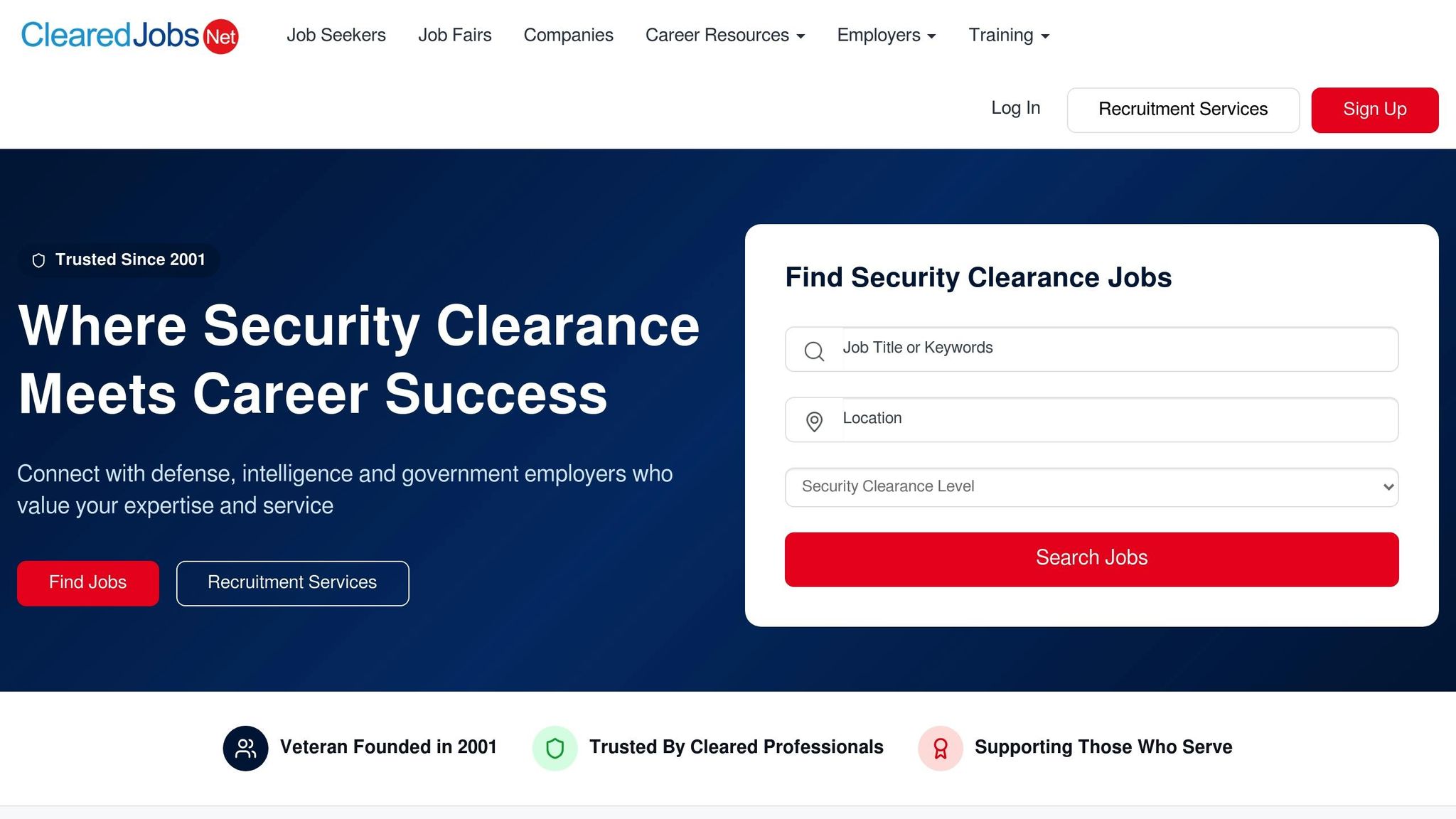
Platforms like Cleared Cyber Security Jobs cater specifically to professionals with security clearances, offering tools to help you target higher-paying positions. With advanced job search filters, you can refine your search by clearance level, salary range, and contract type, making it easier to zero in on roles that meet your financial goals.
Uploading your resume to the platform’s database can also give you an edge. Direct-hire employers can access your qualifications, potentially leading to unsolicited offers that surpass your current pay. Setting up job alerts with specific salary and clearance criteria ensures you’re notified about new opportunities as soon as they’re posted.
Additionally, attending job fairs through the platform lets you connect directly with hiring managers, which can simplify the hiring process and potentially lead to better compensation packages. Since the platform focuses on direct-hire employers, you often avoid middlemen, which can mean higher take-home pay and better benefits.
Combine these tools with strategic networking to uncover even more high-paying roles.
Building and Using Your Professional Network
Networking within the cleared community can open doors to unadvertised, high-paying positions. Many of these roles are filled through referrals, making professional relationships a critical part of your job search strategy.
Attend industry events like the RSA Conference, BSides gatherings, and SANS training sessions to meet other cleared professionals and exchange insights. Joining organizations such as ISACA, (ISC)² chapters, or local AFCEA chapters can also provide networking opportunities through regular meetings and special events.
Stay in touch with former colleagues and supervisors, as they can offer valuable information about compensation trends and upcoming job openings. The cleared community is relatively small, so maintaining these relationships can have long-term benefits.
Recruiters who specialize in cleared cybersecurity roles can also be valuable resources. They often have insights into current salary trends and can help you refine your negotiation tactics. Participating in job fairs hosted by platforms like Cleared Cyber Security Jobs can further connect you with hiring managers, potentially speeding up your path to a higher-paying role.
These strategies lay the groundwork for identifying the right time to switch jobs while keeping your clearance intact. By combining research, targeted tools, and networking, you’ll be better positioned to secure a role with a significant pay increase.
sbb-itb-bf7aa6b
When to Switch and How to Keep Your Clearance
Timing your career move is just as important as networking and doing your research. If you’re aiming to maintain your security clearance while securing a better paycheck, planning is everything. One smart strategy is to align your job switch with your clearance reinvestigation cycle. For example, if you’re approaching the five-year mark for your reinvestigation, consider completing it with your current employer first. This approach minimizes risks and gives you an edge when negotiating your salary.
Picking the Right Time to Switch
The federal fiscal year runs from October 1 to September 30, and planning your move during this period can help ensure your clearance stays active. Timing your transition carefully is crucial to avoid any lapses in your clearance status.
Keeping Your Security Clearance During the Switch
After determining the best time to make your move, focus on keeping your clearance intact throughout the transition. Remember, security clearances are tied to specific positions, not individuals, so they don’t automatically transfer when you change jobs. If there’s a gap in your employment of more than 24 months, your clearance will become inactive. Reactivating it could require a new investigation, which is both time-consuming and expensive for your new employer.
"Technically, security clearances are issued for a position and not a person. As a result, you cannot exactly take it with you to your next job." [1]
The Office of Management and Budget has a system of reciprocity in place, governed by 13 standardized adjudication guidelines, to help with clearance transfers. However, transferring a clearance between private contractors can be trickier than moving within government roles. Keeping your clearance active is essential for landing high-paying jobs – often with a salary boost of up to 20%.
To make the transition smoother, start the clearance transfer process as soon as you receive a job offer. Reach out to your current Facility Security Officer (FSO) to get a copy of your clearance records from DISS or Scattered Castles. These documents include vital details like your clearance level, investigation date, and eligibility status.
Once you’ve accepted your new role, your new employer’s FSO will need to submit a sponsorship request to take over your clearance. This process can take a few weeks, so stay in close contact with both FSOs and keep them updated on any developments. With Continuous Vetting initiatives now in place, cleared personnel are monitored automatically, but regular communication with your FSO and prompt reporting of changes can help ensure your clearance remains active.
Managing Notice Periods and Benefits
How to Negotiate a 20% Salary Increase
Securing a 20% salary increase requires preparation, strategy, and a solid understanding of your value in the market. By combining data-driven insights with a clear presentation of your contributions, you can set the stage for a successful negotiation.
Preparing for Negotiations with Market Data
Start by gathering reliable salary data from trustworthy sources to demonstrate how your skills and qualifications align with higher pay brackets. For example, if you hold a high-level security clearance, highlight how this credential often commands premium compensation. Pair this with tangible achievements – like improving security protocols or leading successful projects – to clearly show the value you bring to the table.
It’s also helpful to understand your employer’s financial structure. Research how your role contributes to their bottom line, and use this knowledge to frame your request. To strengthen your case, prepare a portfolio that includes your clearance level, certifications, years of experience, and major accomplishments. This portfolio serves as a concrete tool to back up your negotiation points.
Getting More Than Just Base Salary
Don’t limit your negotiation to base salary alone. Consider other elements that can enhance your total compensation package, such as:
- Signing bonuses
- Relocation assistance
- Flexible work schedules
- Professional development opportunities
- Performance-based bonuses
These additional perks can increase the overall value of your offer and provide benefits that align with your personal and professional goals.
Common Negotiation Mistakes to Avoid
Reaching your goal of a 20% raise requires avoiding common missteps. First, don’t underestimate the value of your security clearance. An active clearance not only saves employers time and money but also allows you to contribute immediately – this is a key selling point you should emphasize.
Never accept the first offer without discussion. Employers in competitive fields often anticipate some level of negotiation, and engaging in a thoughtful conversation can lead to a better deal. Also, remember to evaluate the full compensation package, not just the base salary. Sometimes, benefits and bonuses can outweigh a slightly higher salary.
Timing is another crucial factor. Begin salary discussions after receiving a verbal offer but before signing any formal agreements. This timing gives you leverage to negotiate terms that work for both parties. Once agreements are made, ensure everything is documented in writing for clarity and accountability.
Finally, maintain a professional demeanor throughout the process. The cybersecurity community is tightly connected, and how you handle negotiations can impact your reputation. Treat every conversation with respect and clear communication – today’s hiring manager could be a future colleague or reference.
Conclusion: Making the Move for Career Growth
Boosting your salary by 20% through a strategic career move is well within reach for cleared contractors. To make it happen, focus on three essentials: solid research, well-timed decisions, and confident negotiation. These steps are the foundation for a successful transition.
Start by digging into the current market rates for your clearance level and skill set. Use this knowledge to identify roles that offer better compensation. Don’t rush – wait for the right opportunity that aligns with your career goals. Factor in your current project deadlines, clearance renewal dates, and personal needs to ensure a smooth transition without interruptions to your job or clearance.
When it’s time to negotiate, remember that your leverage isn’t just about the base salary. Signing bonuses, remote work options, and professional development perks can significantly enhance your overall package. Approach these discussions with confidence, backed by market data and a clear understanding of the value you bring to the table.
Platforms like Cleared Cyber Security Jobs can be a game-changer, connecting you with employers who are ready to offer competitive pay and benefits tailored to cleared professionals.
The demand for skilled professionals in the cleared cybersecurity field continues to outstrip supply, making this an opportune time to take charge of your career. By following a strategic plan, you can position yourself for a meaningful salary increase.
Take the time to assess your worth, expand your professional network, and put these strategies into action. With the right approach, you can achieve that 20% salary boost and set your career on a new, exciting path.
FAQs
How can I negotiate a 20% salary increase when switching to a new cleared contractor role?
To negotiate a 20% salary increase, start by gathering data on salary standards within your industry for your specific role and experience level. This research will help you set realistic expectations and provide a solid foundation to justify your target pay. Make sure to emphasize your specialized skills, certifications, and measurable accomplishments to showcase the value you bring.
If you receive an offer, consider countering with a number that aligns with the 20% increase you’re aiming for. Maintain a professional but assertive tone, and support your request with concrete examples of your expertise and the impact you’ve made in previous roles. Timing plays a crucial role – initiate these discussions when your contributions or qualifications are most evident, such as after highlighting your achievements during interviews.
The demand for security-cleared cybersecurity professionals is strong, and you can use this to strengthen your position. With thorough preparation and a confident approach, you can increase your earning potential while ensuring your clearance remains intact.
How can I keep my security clearance active when switching jobs?
To keep your security clearance active during a job transition in the U.S., make use of the 24-month grace period after your sponsorship ends. During this time, your clearance remains valid, provided you move into another role that requires clearance before the window closes. This eliminates the need for a new investigation.
It’s also crucial to stay on top of your clearance requirements. Regular reinvestigations, which typically occur every five years, are a key part of keeping your clearance current. Maintaining good standing and ensuring compliance with these requirements is essential. When transitioning to a new employer, work closely with them to facilitate reciprocity between agencies, which can help avoid unnecessary delays or complications. A well-thought-out plan and careful timing can make all the difference in preserving your clearance.
How do federal contract cycles impact hiring and salary prospects for cleared cybersecurity professionals?
Federal contract cycles significantly influence hiring trends and salary opportunities for cleared cybersecurity professionals. When contracts are up for renewal or new projects are being awarded, there’s typically a spike in demand for skilled experts. This heightened competition often translates into more job openings and better salary offers as organizations compete to attract top talent.
These cycles also tend to align with tighter cybersecurity regulations, pushing agencies to focus on bringing in highly qualified professionals. For cleared cybersecurity experts, this timing presents a prime chance to negotiate stronger compensation packages, particularly during peak hiring periods when demand reaches its peak.
Related Blog Posts
- The 20% Slary Negotiation Rule For Cyber Security Contractors That Works Every Time
- TS/SCI Salary Premium – The Real Numbers Behind Your Security Clearance
- Government Contract Labor Rates Decoded – Know Your Worth as a Cleared Professional
- GS to Contractor Transition – Timing Your Federal Exit for Maximum Value
Leave a Reply