
• Skip to primary navigation
  • Skip to main content
Cleared Cyber Security Jobs | CyberSecJobs.com

Cleared Cyber Security Jobs | CyberSecJobs.com

Cleared Cyber Security Jobs

  • Home
  • Search Cleared Cyber Jobs
  • Job Fairs
  • Career Resources

CyberSecJobs Editorial

LCAT Cybersecurity Contractor Categories – Why Your Title Matters Less Than Your Labor Category

CyberSecJobs Editorial · September 26, 2025 · Leave a Comment

In cleared cybersecurity contracting, Labor Categories (LCATs) matter more than your job title. These standardized roles define qualifications, responsibilities, and pay, ensuring consistency across federal contracts. Unlike corporate titles, LCATs are legally binding, outlining exact requirements like certifications, experience, and security clearances. If you don’t meet these criteria, you won’t qualify for the role – no exceptions.

Key Points:

  • LCATs are used in federal contracts to set clear standards for roles.
  • They dictate required qualifications (e.g., education, certifications, experience).
  • Compliance with LCATs is non-negotiable and tied to legal obligations.
  • Pay is based on government-defined rates tied to LCAT levels, not negotiable like private-sector salaries.
  • Career growth depends on meeting higher LCAT requirements, such as earning advanced certifications.

To succeed in this field, focus on aligning your skills with LCAT requirements. Certifications like CISSP or Security+ are often essential, and meeting these benchmarks can open doors to better roles and higher pay.

What Are Labor Categories (LCATs) in Federal Cybersecurity Contracts

Labor Categories (LCATs) Definition

Labor Categories, or LCATs, are standardized roles used in government contracting to outline specific tasks and qualifications required for a position. Unlike the flexibility often seen in private-sector job descriptions, LCATs are rigid and come with contractual requirements that must be followed to the letter.

These categories serve multiple purposes: they define roles, streamline proposals, clarify responsibilities, and ensure compliance [1]. When a contract is awarded, both the government and the contractor agree to these predefined qualifications and duties.

The government specifies these roles in Requests for Proposals (RFPs), detailing the qualifications and responsibilities for each category. Contractors are responsible for ensuring their staff meet these criteria and maintaining proper documentation for audits [1][3]. Failing to comply with these requirements can result in serious legal and financial consequences [1][3].

Next, let’s explore how these federally defined roles differ from traditional corporate job titles.

LCATs vs. Corporate Job Titles

The distinction between LCATs and corporate job titles goes far beyond just naming conventions. While job titles in the private sector primarily identify someone’s position within an organization, LCATs describe the exact work, duties, and qualifications required under a federal contract [2].

Corporate Job Titles Labor Categories (LCATs)
Identify a position within a company’s internal structure Define specific tasks under a federal contract
Duties are set internally by the company Standardized roles focused on compliance and billing
Qualifications can be adjusted as needed Require strict minimum qualifications (education, experience, certifications)
Serve as an internal organizational tool Carry legal and contractual obligations

Comparison based on industry standards [1][2].

This table underscores how LCATs are compliance-driven and far more rigid than the internal job titles used in the private sector.

LCATs often demand higher qualifications than what’s typical in private industry. This includes detailed requirements for education, years of experience, and certifications or specific skills [1][2]. These aren’t merely guidelines – they are binding contractual obligations.

Compliance is a critical aspect of LCATs. If a contractor bills for an employee who doesn’t meet the specified qualifications, it could lead to violations of the False Claims Act, disallowed costs, and hefty penalties [1][2][3]. For contractors, meeting LCAT requirements isn’t just a matter of business – it’s a legal necessity.

Common LCAT Roles in Cybersecurity

Federal cybersecurity contracts often include a range of standard labor categories, each with its own qualifications and responsibilities. These roles span from operational support to strategic risk management, ensuring that only qualified professionals handle key cybersecurity functions. This structured approach guarantees that the right expertise is applied to safeguard critical systems.

(live) LCATS 101 for Government Contractors | Intro to Labor Categories

Why Labor Categories (LCATs) Matter More Than Job Titles

In the cleared cybersecurity world, your Labor Category (LCAT) carries far more weight than a job title. Unlike private sector job titles, which can vary widely and often lack standardization, LCATs create a clear framework that directly influences your responsibilities, pay, and career progression. Below, we’ll explore how these structured definitions shape hiring decisions and compensation in federal contracting.

How LCATs Define Responsibilities and Qualifications

LCATs act as standardized role definitions in government contracting, setting clear expectations for qualifications, experience, and responsibilities. When a contract specifies an LCAT, it lays out in detail what’s required for the role. These definitions aren’t just guidelines – they’re binding. They often include the necessary security clearance level, such as SECRET or TOP SECRET, and other critical qualifications.

For example, if an LCAT requires a CISSP certification and five years of experience in network security, those become non-negotiable. This structure ensures compliance with federal regulations and helps maintain a well-qualified workforce, especially in sensitive areas like national security.

Contractors rely on these precise definitions to assign personnel to roles. Meeting every requirement under an LCAT isn’t optional – it’s essential for fulfilling contract terms and maintaining compliance.

LCATs and Federal Contracting Requirements

Federal contracting takes these role definitions a step further by embedding LCAT standards into Requests for Proposals (RFPs). These RFPs outline detailed labor categories with specific qualifications that contractors must adhere to. This ensures that only professionals with the right credentials handle critical cybersecurity tasks.

For contractors, aligning personnel qualifications with LCAT requirements is not just a best practice – it’s a legal obligation. Missing even one required qualification can lead to serious consequences, including financial penalties or legal violations [1]. In this environment, recruiters and hiring managers don’t have the flexibility to overlook gaps in qualifications. If an applicant doesn’t meet every LCAT requirement, they’re typically not considered for the role. This strict adherence underscores the high-stakes nature of government contracting.

LCATs vs. Job Titles Comparison

The differences between LCATs and traditional job titles become clear when you look at how they shape careers in cybersecurity:

Feature Labor Category (LCAT) Traditional Job Title
Role Definition Clearly defined by federal contract terms, with career growth tied to meeting specific LCAT criteria. Duties vary by organization, with promotions based on internal policies.
Qualifications Specifies required education, certifications, and experience as mandatory. Offers general guidelines with more flexible expectations.
Salary Benchmarks Pay is determined by government schedules and industry benchmarks, ensuring consistency. Salaries can fluctuate widely based on company policies and location.
Compliance Requires strict adherence to qualifications to avoid legal or contractual issues. Governed by internal company standards, allowing more leeway.

Government contracts often set specific hourly rates for each LCAT, meaning pay is tied directly to the role’s defined qualifications. Unlike private sector roles, where salary negotiations can depend on individual performance or company policies, LCAT-based compensation follows established government pay scales. As you qualify for higher-level LCATs, your pay increases accordingly, offering a clear and predictable path for career advancement.

sbb-itb-bf7aa6b

How LCATs Shape Hiring, Project Assignments, and Compensation

LCATs play a key role in shaping the hiring process, project assignments, and pay structures within cleared cybersecurity contracting. They offer a structured approach that connects job responsibilities with agency and contractor expectations, influencing how professionals are hired, assigned to projects, and compensated. If you want to stay competitive, understanding LCATs and aligning your skills with their requirements is a must.

LCATs in Hiring and Staffing Decisions

In government agencies and contracting firms, hiring doesn’t start with a job title – it starts with LCAT requirements. These requirements outline the security clearance, certifications, and experience needed for specific roles. Hiring managers use them as a checklist to evaluate candidates and ensure they meet the criteria laid out in contracts.

As project needs shift, contracts may call for different LCATs at various stages. This means teams often need to reassess roles and adjust staffing to match new requirements. For professionals, meeting LCAT criteria isn’t optional – it’s a baseline. Aligning your qualifications with these standards is essential if you want to land and maintain roles in this field.

LCATs and Salary Benchmarking

LCATs also help establish a transparent pay structure in cleared cybersecurity contracting. Government contracts typically define hourly rates or salary ranges for each LCAT. While these benchmarks set a foundation, factors like market demand, location, security clearance level, and certifications can impact actual pay.

This structured system benefits both contractors and professionals. Contractors can create competitive compensation packages to attract top talent, while professionals gain a clear roadmap for career growth. By understanding what it takes to move from one LCAT level to the next, you can make informed decisions to advance your career and boost your earning potential.

Aligning Your Career with the Right Labor Category

In the world of cleared cybersecurity contracting, aligning your career with the right labor category (LCAT) is a crucial step toward achieving professional growth and competitive pay. The key is to match your skills with the requirements of these roles while planning for future development.

Mapping Your Skills to LCAT Requirements

Start by evaluating your current qualifications – education, certifications, and experience – against the specific requirements of your target LCAT. Create a detailed list of your security clearance, certifications, and job experience to identify any gaps in your qualifications. By comparing this list to the requirements for the roles you’re aiming for, you can pinpoint areas that need improvement and create a plan to address them.

Focus on certifications that hold value across different LCATs. For entry-level roles, foundational credentials like CompTIA Security+ are often essential. As you aim for more senior positions, consider advanced certifications such as CISSP, CISM, or SANS GIAC. Vendor-specific certifications can also help you stand out for specialized roles.

Adding relevant certifications can help you qualify for advanced LCATs, especially when formal education is a key factor. Once you’ve mapped your skills, use targeted job platforms to find roles that align with your qualifications.

Using Cleared Cyber Security Jobs to Target LCAT-Specific Roles
Cleared Cyber Security Jobs

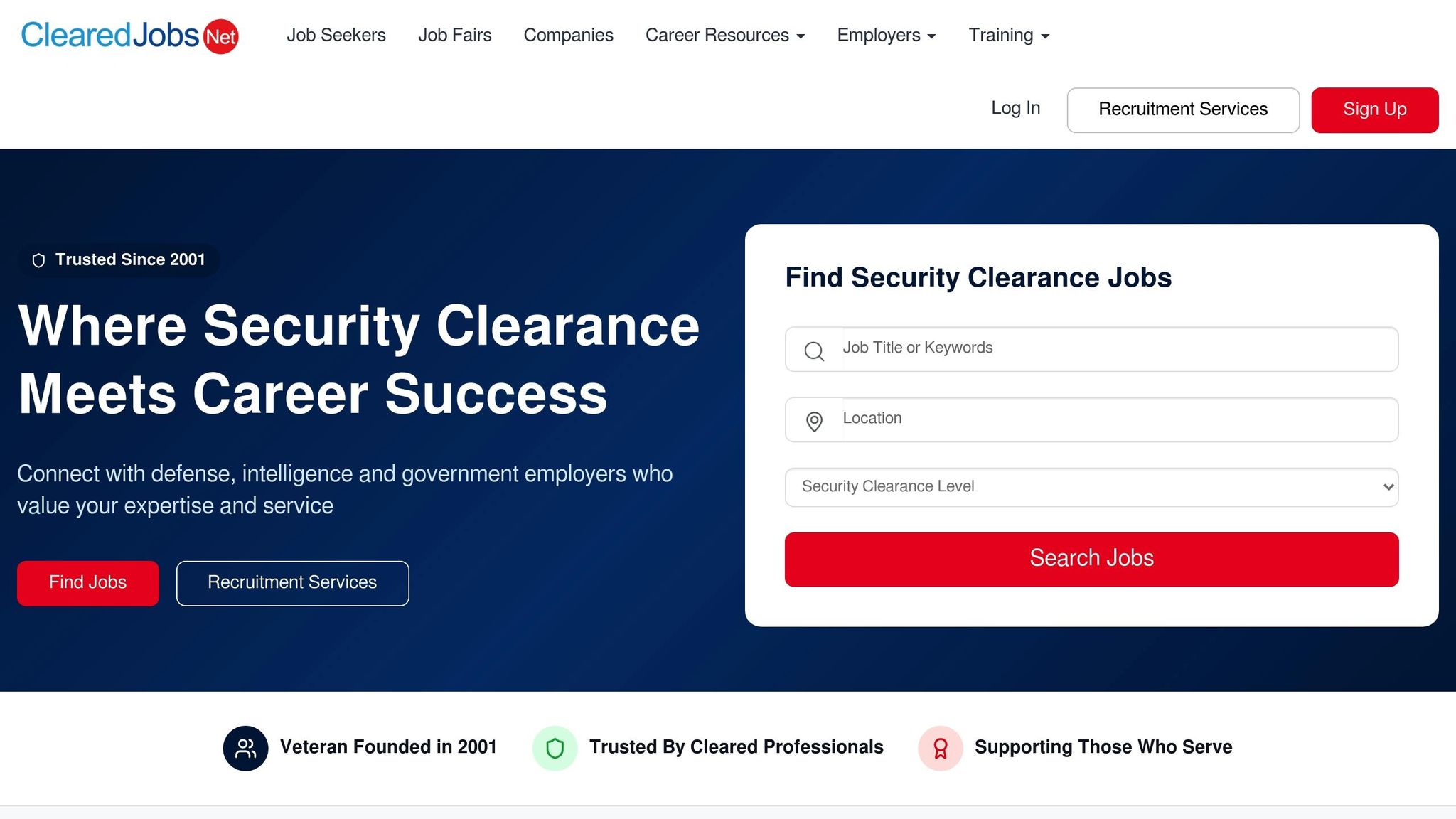
After identifying your qualification gaps, focus on roles that match your current profile by leveraging specialized job search tools. Platforms like Cleared Cyber Security Jobs offer advanced search filters to help you narrow down opportunities by security clearance level, required certifications, and relevant experience. This makes it easier to find positions that align with your skills and career goals.

To increase your visibility to recruiters, optimize your profile with LCAT-specific keywords and set up job alerts. Since cleared positions often fill quickly, applying early can give you an edge over other candidates.

Additionally, job fairs hosted on these platforms provide a chance to connect directly with employers who are actively hiring for LCAT-specific roles. These events can also give you insight into upcoming contract opportunities that may not yet be publicly advertised.

Advancing Through LCAT Levels

Career progression in cleared cybersecurity often follows a structured hierarchy, from entry-level roles to positions for experienced specialists. Advancing through LCAT levels requires meeting the evolving demands of these roles, which often include greater responsibility and higher compensation.

Continuous learning is essential for growth within the LCAT framework. Senior roles typically require expertise in cutting-edge areas like cloud security, zero trust architecture, and other emerging technologies. Proactively seeking training in these fields can set you apart from the competition.

Develop a certification roadmap aligned with your career goals. For instance, if you’re aiming for a leadership role in risk management, consider pursuing certifications like CISA or CRISC to complement your existing credentials. Earning multiple, targeted certifications can make your profile more attractive for advanced positions.

Plan your career transitions strategically, using certification milestones and project achievements as benchmarks. While advancing too quickly without sufficient experience can hurt your credibility, staying in an entry-level role for too long may limit your earning potential. Keeping pace with industry trends and adapting to new demands will ensure you’re ready for desirable roles as they become available.

Conclusion: The Role of LCATs in Cleared Cybersecurity Careers

Labor categories, or LCATs, are the backbone of cleared cybersecurity careers. Unlike the corporate world, where job titles often define your role and career trajectory, the federal contracting landscape operates on a unique principle: your LCAT dictates your responsibilities, earning potential, and career opportunities.

LCATs establish a uniform framework that influences everything from hiring decisions to salary structures. While corporate titles can vary widely and lack consistency, LCATs provide clear and measurable standards for qualifications, duties, and compensation.

This system offers a mix of opportunity and responsibility. On one hand, it provides a transparent roadmap for career progression – spelling out exactly what certifications, experience, and education you need to move up the ladder. On the other hand, it demands strict compliance, requiring professionals to continually update their qualifications to stay aligned with evolving federal requirements.

To thrive in this space, a strategic approach is essential. Rather than focusing on job titles, direct your energy toward meeting the specific criteria of your target LCAT. Keep your certifications up to date and maintain detailed records, as these are critical during audits and evaluations [4].

Professionals who embrace this system and align their skills with federal benchmarks set themselves up for long-term success. The cleared cybersecurity market values expertise and security clearances, often rewarding these with competitive compensation. By mastering the LCAT framework, you can position yourself for sustained growth and maximize both your career potential and financial rewards.

In the corporate world, a job title might open doors. In cleared cybersecurity contracting, however, your labor category determines which doors you can access in the first place.

FAQs

How do Labor Categories (LCATs) impact my career advancement in federal cybersecurity contracting?

Labor Categories (LCATs) are a cornerstone of federal cybersecurity contracting. They outline the qualifications, duties, and scope of work for specific roles, directly influencing the projects you qualify for and your earning potential.

When you understand LCATs, you can better match your skills and experience to the right category. This alignment not only helps you land roles that fit your career aspirations but also opens doors to more impactful assignments. It can enhance your visibility within the field and increase your chances of advancing in the competitive world of federal contracting.

How can I qualify for a higher-level labor category (LCAT) in cybersecurity?

To qualify for a higher-level LCAT in cybersecurity, you’ll need to build extensive experience – usually more than 10 years in relevant positions – and consider pursuing advanced education, like a master’s degree in a related field. It’s also important to develop specialized expertise in areas such as advanced cybersecurity methods, leadership, and overseeing high-stakes projects.

On top of that, focus on obtaining industry-recognized certifications that match the requirements detailed in official LCAT descriptions. Keeping up with the latest cybersecurity standards and trends through ongoing professional development will further improve your chances of meeting the criteria for higher-level LCAT roles.

Why do Labor Categories (LCATs) matter more than job titles in federal cybersecurity contracts?

Labor Categories (LCATs) play a key role in federal cybersecurity contracts, often outweighing the importance of job titles. Unlike job titles, which can differ widely between organizations, LCATs rely on standardized criteria to outline the qualifications, experience, and responsibilities required for specific roles.

This consistency allows agencies and contractors to match the right professionals to the right tasks more effectively. It streamlines hiring decisions while ensuring compliance with federal regulations. By focusing on LCATs, you can gain a clear understanding of role expectations, align your skills with federal contract requirements, and position yourself for career advancement and competitive pay within the cleared community.

Related Blog Posts

  • CIO-SP3 Cybersecurity Positions vs DISA Encore III – Which Vehicle Drives Your Career?
  • TS/SCI Salary Premium – The Real Numbers Behind Your Security Clearance
  • Remote Cleared Cybersecurity Jobs – The Reality for TS/SCI Holders
  • CIO-SP3 Cybersecurity Positions vs DISA Encore III – Which Vehicle Drives Your Career?


Related Contractor & Career Guides

  • TS/SCI Salary Premium: Real 2026 Numbers
  • GS to Contractor Transition: Timing Your Federal Exit
  • Government Contract Labor Rates: Know Your Worth
  • Top 10 Cybersecurity Jobs for Cleared Professionals
  • 5 Strategies for Negotiating Your Next Offer


Contract Recompete Job Security – Your 90-Day Survival Action Plan

CyberSecJobs Editorial · September 26, 2025 · Leave a Comment

Navigating contract recompetes can be stressful, especially for cleared cybersecurity professionals. If your employer loses the bid, you may need to either transition to the winning contractor or find a new job entirely. This process often brings challenges like clearance transfers, shifts in pay, and changing roles. However, the demand for cleared professionals remains high, giving you an edge in the job market.

Here’s a 90-day action plan to secure your career during a recompete:

  • Days 1-30: Assess your current position, gather essential documents (like clearance records and certifications), and research market demand for your skills.
  • Days 31-60: Update your resume and online profiles to highlight your expertise and clearance. Pursue certifications like Security+ or CISSP to boost your qualifications.
  • Days 61-90: Build your network through industry events and professional groups. Explore both internal and external job opportunities while preparing for interviews.

Contract Recompete Risks You Need to Know

When a government agency opens a previously awarded contract to competitive bidding instead of simply renewing it, this process is known as a contract recompete. For professionals, especially those in specialized fields, these recompetes can bring significant changes and uncertainties.

What Is a Contract Recompete?

A contract recompete occurs when the government seeks proposals from multiple companies for work that was previously handled under an existing contract. Instead of extending the current vendor’s agreement, agencies evaluate all submissions to determine the best fit moving forward. This competitive approach means there’s no guarantee the current contractor will continue in their role. Understanding this process is crucial for identifying career risks tied to these transitions.

Risks for Cleared Cybersecurity Professionals

For professionals with security clearances, recompetes can introduce some serious challenges. If the incumbent contractor loses the bid, employees might face delays in transferring their clearances or even changes to their roles. Adjustments to contract terms could also lead to shifts in pay, benefits, or job responsibilities. While the details vary from case to case, these potential changes can significantly impact your career path, making it essential to stay ahead of the curve.

Warning Signs to Watch For

Although every recompete process unfolds differently, certain clues may indicate that a contract is nearing its end. Pay attention to changes like altered internal communications, updates to project workflows, or increased discussions about contract terms. These could signal that a recompete is on the horizon. Staying informed about program updates and keeping an open line of communication with your management team can help you prepare for what’s ahead.

Phase 1: First 30 Days – Check Your Position and Get Ready

The first month sets the tone for navigating the uncertainties of a contract recompete. This is the time to assess where you stand, gather critical information, and prepare for any transitions that may come your way.

Check Your Current Status

Start by discussing the recompete timeline with your supervisor. Take note of any vague reassurances or shifts in project scope, budget, or long-term planning. If your contract’s end date is approaching and there’s no clear update on the recompete process, treat this as a signal to start exploring backup options. Once you’ve clarified your position, organize the necessary documents to back it up.

Collect Important Documents

After evaluating your situation, focus on gathering key paperwork. This includes recent performance reviews that highlight your contributions and achievements. Confirm your clearance status through the appropriate government systems, and save any official notifications that verify your clearance level and its validity dates.

Make sure to prioritize documents that prove your clearance and certifications, as these are often critical for cleared roles. Many positions have specific certification requirements, so having everything ready can speed up the application process.

If you anticipate needing a clearance transfer, locate your most recent SF-86 form and any supporting documents from your previous investigation. The SF-86 process, managed through the Electronic Questionnaires for Investigations Processing (e-QIP) system, requires detailed personal information. Having these records handy will save you time if updates or resubmissions are required. Once your documentation is in order, you can shift focus to analyzing the job market.

Research Market Demand

With your paperwork squared away, take a closer look at the job market. Start by evaluating the demand for your clearance level and skill set. Platforms like Cleared Cyber Security Jobs can help you identify salary ranges and geographic trends tied to your expertise and clearance.

Pay attention to the certifications and skills that appear most frequently in job postings. Spotting patterns in these qualifications can guide your professional development efforts in the next phases. Additionally, tracking the types and volume of job postings over the month will give you a clearer picture of where opportunities lie and help you refine your strategy for the remainder of your 90-day plan.

Phase 2: Days 31-60 – Improve Your Professional Profile

Now that your documents are in order, it’s time to focus on boosting your professional image. During this phase, your goal is to make yourself more appealing to potential employers by refining your resume, updating your online profiles, and earning certifications that strengthen your qualifications.

Update Your Cleared Resume

Your resume is a critical tool, and as a cleared professional, it needs to grab attention. Make your clearance status prominent in the summary section – mention if it’s inactive and include the reactivation date if applicable.

Highlight measurable achievements that showcase your impact. For instance, instead of saying "managed cybersecurity projects", explain how you implemented advanced security measures that reduced incidents or improved compliance. Federal contractors value results tied to compliance, risk mitigation, and operational improvements.

Tailor your technical skills to match current market demands, using terms that resonate in federal contracting. Keywords like "FISMA compliance", "ATO processes", "STIG implementation", and "continuous monitoring" can set you apart. If cloud security expertise is in high demand, ensure your experience with platforms like AWS, Azure, or Google Cloud Platform is clearly outlined. Similarly, highlight skills in areas like DevSecOps, threat hunting, or frameworks such as NIST and FedRAMP.

Avoid generic corporate buzzwords that don’t translate well in the government contracting world. Once your resume is polished, shift your attention to your online profiles to ensure they align with your updated resume.

Update Online Profiles

Your online presence, especially on LinkedIn, acts as your digital introduction to recruiters. For cleared professionals, balancing visibility with operational security is key. Avoid specifying clearance levels on public platforms; instead, use general terms like "U.S. Government cleared candidate" or "Department of Defense–eligible security clearance." Shift the focus to your cybersecurity expertise rather than the details of your clearance.

Complete every section of your LinkedIn profile to increase visibility. Use a headline that incorporates relevant cybersecurity terms, separated by vertical lines or emojis for clarity and professionalism. For example: "Cybersecurity Analyst | SOC | SIEM | Network Security | Threat Intelligence." This not only looks polished but also makes your profile easier to find.

In your summary section, write in the first person and focus on tangible accomplishments. Use bullet points for clarity and include industry-relevant keywords that recruiters search for – up to 50 skills like penetration testing, incident response, and risk assessment. A professional headshot can also boost profile views.

Don’t forget to update your Cleared Cyber Security Jobs profile at the same time. This platform is tailored for cleared professionals, allowing you to be more specific about your clearance status and federal experience. Ensure both profiles are consistent in showcasing your skills, experience, and career goals. Once your profiles are updated, it’s time to solidify your expertise with certifications.

Get In-Demand Certifications

Certifications are a powerful way to validate your skills and stand out in a competitive market. Many cleared cybersecurity roles require specific credentials, and earning them can give you an edge.

Start with Security+, which is a baseline requirement for most DoD 8570 positions. For more advanced roles, certifications like CISSP (Certified Information Systems Security Professional) can open doors to senior positions such as security architect or CISO. CISSP requires five years of experience across at least two domains, making it a strong choice for mid-career professionals. Check if your employer offers support like study time or exam reimbursements.

If you’re aiming for management roles, CISM (Certified Information Security Manager) is a great option. It focuses on governance, risk management, and program development, making it ideal for those transitioning from technical roles to leadership positions.

For cloud security, certifications like AWS Certified Security – Specialty or Microsoft Azure Security Engineer Associate are highly valuable. These credentials highlight your ability to secure cloud environments, a growing priority for federal agencies.

Plan your study time based on your experience and the complexity of the exam. Platforms like Cybrary offer training tailored for government roles, while boot camps provide intensive preparation. Choose certifications that align with your current role and career goals. For example, if you work in a SOC environment, certifications like GCIH (GIAC Certified Incident Handler) or GCFA (GIAC Certified Forensic Analyst) may be more relevant than management-focused options.

Keep track of your progress and update your resume and profiles as soon as you pass an exam. Even scheduling an exam date can show interviewers your dedication to professional growth.

sbb-itb-bf7aa6b

Phase 3: Days 61-90 – Build Networks and Find Opportunities

With your resume polished and certifications underway, the final 30 days are all about expanding your network and actively seeking opportunities. This phase is where you focus on building meaningful connections that can lead to your next role. Whether it’s through industry groups, attending events, or maintaining an active online presence, every effort counts.

Connect with Professional Networks

Start by tapping into industry-specific groups, both locally and online. Joining communities dedicated to cybersecurity professionals with clearance can be a game-changer. These spaces offer insights into job openings, trends, and professional growth opportunities. Don’t hesitate to reach out to former colleagues with a personalized message – they might provide referrals or share leads on potential roles.

Attend Cleared Cyber Security Jobs Events

Cleared Cyber Security Jobs

Job fairs tailored for cleared professionals are a direct line to hiring managers and recruiters. Organizations like Cleared Cyber Security Jobs host both virtual and in-person events, connecting you with employers who understand the clearance process. Do your homework beforehand – research the participating companies, explore their current job postings, and set up alerts on Cleared Cyber Security Jobs to stay updated. Be sure to test your tech setup, refine your elevator pitch, and follow up with personalized messages after the event to leave a lasting impression.

Explore Internal and External Roles

While networking externally, don’t overlook opportunities within your current organization. Internal transfers can provide a smoother transition and allow you to explore new projects or departments without starting from scratch. Check internal job boards and have conversations with your managers about potential roles.

For external roles, focus on direct-hire positions at government agencies or leading defense contractors. These roles often provide more stability compared to subcontractor positions. When applying, tailor your resume to emphasize your clearance status and technical expertise. Connecting with recruiters who specialize in cleared positions can also give you an edge. To stay organized, track your applications in a simple spreadsheet, which will help you follow up and manage your job search effectively. These steps will help you navigate uncertainties and secure a solid career path.

Getting Ready for Transition: Interview Prep and Backup Plans

After refining your profile and expanding your network, the next step is preparing for interviews and setting up a solid backup plan. As your 90-day action plan nears its conclusion, it’s important to be ready for a potential role change. By focusing on interview preparation, securing your financial stability, and understanding how security clearance transfers work, you’ll feel more confident and prepared, no matter how your contract recompete plays out. These steps build on the groundwork you’ve already laid, ensuring a smoother transition if a contract loss occurs.

Get Ready for Interviews

Interviewing as a cleared cybersecurity professional requires a unique approach. You’ll need to discuss your experience while avoiding any mention of classified details. Practice explaining your technical achievements using unclassified examples that highlight methodologies, frameworks, and processes you’ve mastered.

Expect questions about your experience with compliance frameworks like NIST, your strategies for incident response, and how you’ve addressed security challenges in past roles. Be ready to discuss your clearance level and relevant background early in the conversation, as these are often key factors for hiring managers.

When discussing contract transitions, it’s best to frame your experience in a positive light. You can explain that you’re proactively exploring new opportunities due to contract changes and emphasize your ability to adapt and plan ahead. Government contracting hiring managers are familiar with these transitions and appreciate honesty.

Prepare examples that showcase your contributions to cybersecurity efforts. Whether you’ve enhanced security measures, resolved major incidents, or implemented effective solutions, use the STAR method (Situation, Task, Action, Result) to structure your answers. This approach helps you clearly present your role and the measurable impact of your work.

Create a Backup Plan

While honing your interview skills, take steps to secure your financial stability in case of employment gaps. Start by calculating your monthly expenses and aim to save enough to cover three to six months of living costs. This financial cushion can reduce stress and give you the flexibility to negotiate better offers instead of rushing into the first available position.

Research current salary ranges for cleared professionals and account for potential relocation expenses. Remember, an active clearance often comes with a compensation premium compared to roles that don’t require one.

Temporary or contract work can be a great option during a transition. Many cleared professionals take on short-term contracts to keep their clearance active and maintain income while searching for a permanent role. This strategy also ensures your skills stay sharp.

Additionally, review your current employer’s severance policies and COBRA health insurance options. Knowing these details can help you plan your departure and manage healthcare coverage during any employment gap.

Learn About Clearance Transfers

Understanding how clearance transfers work is essential to maintaining your career momentum. Reciprocity allows new employers to accept your existing clearance without restarting the background investigation process [1]. However, the process isn’t always straightforward.

Before leaving your current position, request your clearance record from DISS or Scattered Castles and confirm its transferability with your security officer [1]. Make sure your background investigation is up to date, as older investigations (over 5–7 years) can cause delays [1].

Clearance transfers can take up to two months, though they are often completed more quickly [2]. Delays may occur due to agency-specific requirements, gaps in cleared employment exceeding two years, or system incompatibilities [1].

To avoid clearance lapses, try to minimize gaps between cleared roles. If a gap is unavoidable, consider part-time or temporary cleared work to keep your clearance active [3]. Stay in touch with your Facility Security Officer and update your personal information regularly to ensure a smooth transition [3].

Keep in mind that some government departments may not accept clearances from other departments, which could require you to undergo a new clearance process [2]. Research your target employers’ clearance policies and ask recruiters about their experience with transfers from your current agency or contractor. Keeping your clearance active ensures you’re ready to step into your next role without unnecessary delays.

Conclusion: Protecting Your Future in a Recompete Environment

Contract recompetes can be a recurring hurdle for cleared cybersecurity professionals, but with this 90-day action plan, you’re setting yourself up for success no matter the outcome. By documenting your efforts and refining your professional profile, you’re taking steps to ensure long-term career stability.

This three-phase plan emphasized critical actions: evaluating your current status, strengthening your professional profile, and broadening your network. Instead of passively waiting for contract announcements or decisions, you’ve taken charge of your career by preparing proactively and staying actively connected with your professional community.

A valuable tool in this process is Cleared Cyber Security Jobs, which links you to defense and government employers who understand the unique needs of cleared professionals. By creating a detailed profile showcasing your clearance level, skills, and experience, you gain access to tailored opportunities and can directly connect with employers through job fairs. The platform also offers career resources to keep you informed about security clearance policies and trends in the defense industry, so you’re always ready for what’s next.

The key to lasting success is maintaining the momentum you’ve built over these 90 days. Stay on top of industry developments, keep your certifications up to date, and nurture your professional relationships. The connections and systems you’ve developed will support you throughout your career, not just during transitions.

FAQs

What challenges do cleared cybersecurity professionals face during a contract recompete, and how can they address them?

Cleared cybersecurity professionals often encounter job instability and delays in security clearance processing during a contract recompete. These situations can create stress and uncertainty, especially when contract changes demand updated skills or certifications.

To tackle these challenges, it’s important to stay ahead. Regularly update your resume, keep your certifications current, and invest time in building a strong professional network. Networking can open doors to new opportunities and offer support during career shifts. Additionally, preparing for potential job searches and interviews in advance can make transitions more manageable if they become necessary.

How can I keep my security clearance active during a job transition caused by a contract recompete?

To keep your security clearance intact during a job transition, it’s crucial to stay within the two-year revalidation period. This means you need to either continue working in a role that requires clearance or ensure that any gap in employment falls within the permitted timeframe. If your personal circumstances change – like financial issues or legal matters – make sure to report these promptly to your employer or security officer to avoid any clearance-related complications.

Staying employed in a cleared role or reactivating your clearance within the two-year window ensures you maintain access to classified information. Taking a proactive approach to safeguarding your clearance status can make contract transitions much smoother.

How can I make my resume and online profiles stand out to employers in the cleared cybersecurity field?

To make your resume and online profiles stand out in the cleared cybersecurity field, focus on highlighting your security clearance, technical skills, and tangible achievements. Customize your resume for each job you apply to, aligning it with the specific requirements outlined in the job description. Be sure to emphasize certifications, relevant skills, and your ability to solve complex problems. Use clear, professional language, and ensure your resume is ATS-friendly by steering clear of graphics, overly decorative fonts, or keyword stuffing.

For your online profiles, keep them current and prominently display your clearance status, core skills, and recent accomplishments. Share concrete examples of your contributions, such as measurable results or metrics from previous roles. Additionally, connecting with others in the cleared cybersecurity community and participating in industry groups can help increase your visibility to potential employers.

Related Blog Posts

  • CIO-SP3 Cybersecurity Positions vs DISA Encore III – Which Vehicle Drives Your Career?
  • Remote Cleared Cybersecurity Jobs – The Reality for TS/SCI Holders
  • Space Force Cybersecurity Contractor Jobs – The Colorado Springs Gold Rush
  • CIO-SP3 Cybersecurity Positions vs DISA Encore III – Which Vehicle Drives Your Career?

Related Guides

  • TS/SCI Salary Premium: Real 2026 Numbers
  • Security Clearance Interview: What to Expect

Cyber Security Certification Planner

CyberSecJobs Editorial · September 22, 2025 · Leave a Comment

Unlock Your Cyber Security Career with a Custom Certification Plan

Navigating a career in cyber security can be a game-changer, but knowing where to start—or what’s next—often feels like a puzzle. That’s where a tailored certification roadmap comes in handy. Whether you’re a newbie eyeing foundational credentials or a seasoned pro aiming for advanced titles like CISSP, having a clear path makes all the difference.

Why Planning Matters

The field of digital defense is vast, with specialties ranging from network protection to ethical hacking. Each area demands specific skills and credentials, and jumping in without a strategy can waste time and energy. A well-thought-out plan aligns your goals with the right training, ensuring you’re not just collecting certificates but building a career. Tools that personalize this journey based on your experience and availability are invaluable—they cut through the noise and focus on what works for you.

Start Building Skills Today

Imagine mapping out your steps toward becoming a sought-after expert in online safety. With countless resources and study guides at your fingertips, paired with a structured timeline, you’re not guessing anymore. Take control of your growth by crafting a path that fits your life and ambitions, and watch those career doors swing open.

FAQs

Which cyber security certifications are best for beginners?

If you’re just starting out, certifications like CompTIA IT Fundamentals or CompTIA Security+ are fantastic entry points. They cover the basics of IT and security without requiring deep experience. Security+ is especially popular because it’s widely recognized and opens doors to entry-level roles. Our tool will suggest these based on your ‘beginner’ selection and pair them with a timeline that fits your weekly study hours. Don’t stress if it feels slow at first—building a solid foundation is key!

How accurate are the estimated completion times in the roadmap?

The timelines in your roadmap are based on average study hours reported by certification bodies and successful candidates. For example, CompTIA Security+ often takes about 3-4 months with 10 hours of weekly study. That said, everyone learns at a different pace. If you’ve got prior experience or can dedicate more time, you might finish faster. Use the roadmap as a guide, but feel free to tweak it based on how you’re progressing.

Can I change my focus area or study hours after getting my roadmap?

Absolutely! Life happens, and priorities shift. Our tool lets you update your career level, focus area, or available study time whenever you want. Just tweak your inputs, and it’ll generate a fresh roadmap on the spot. Whether you’re switching from network security to ethical hacking or ramping up your study hours, we’ve got you covered. Keep experimenting until the plan feels right for you.

Related Guides

  • Cybersecurity Salary Guide 2026
  • TS/SCI Salary Premium: Real 2026 Numbers

Cyber Security Resume Builder

CyberSecJobs Editorial · September 21, 2025 · Leave a Comment

Craft a Winning Resume for Cyber Security Jobs

In today’s digital landscape, landing a role in cyber security requires more than just technical know-how—it demands a resume that speaks directly to hiring managers and software filters alike. A well-structured application can make all the difference when applying for positions like security analyst or ethical hacker. That’s where a specialized tool comes in handy, guiding you to present your expertise with precision.

Why Tailoring Matters

The tech industry moves fast, and employers often rely on automated systems to screen candidates. If your document isn’t formatted correctly or lacks the right keywords, it might never reach a human reader. Focusing on relevant skills—think intrusion detection or risk assessment—and certifications like CISSP can set you apart. A dedicated builder streamlines this process, ensuring your experience shines through without getting lost in the shuffle.

Beyond the Basics

Beyond just organizing your information, think about the story your resume tells. Highlighting projects where you’ve secured networks or mitigated threats can paint a vivid picture of your capabilities. With the right formatting and a sharp focus on industry needs, you’re not just applying—you’re making an impression. Tools designed for this niche can be a game-changer, helping you step confidently into your next opportunity.

FAQs

How does this tool make my resume ATS-friendly?

Great question! Applicant Tracking Systems scan resumes for specific keywords and formatting. Our builder structures your content with clean layouts, uses industry-standard headings, and emphasizes cyber security terms like ‘network security’ or ‘ethical hacking’ to boost your chances of getting noticed. We’ve baked in best practices so you don’t have to guess what works.

Can I customize the resume for different cyber security roles?

Absolutely. You can tweak your skills and responsibilities to match the job you’re applying for—whether it’s a penetration tester gig or a security analyst position. The tool lets you edit entries anytime, and we include tips on tailoring your content to highlight what matters most for each role. Save multiple versions if you’re targeting different niches!

Do I need design skills to use this resume builder?

Not at all! We’ve got pre-designed templates—modern, classic, and tech-focused—that are already optimized for readability and professionalism. Just pick one, and the tool handles the formatting. Your focus stays on your content, not on fiddling with margins or fonts.

Related Guides

  • Cybersecurity Salary Guide 2026
  • TS/SCI Salary Premium: Real 2026 Numbers
  • Top 10 Cybersecurity Jobs for Cleared Pros

Security Clearance Job Finder

CyberSecJobs Editorial · September 20, 2025 · Leave a Comment

Unlock Your Next Career Move with a Security Clearance Job Finder

Finding the right role in cyber security can feel like searching for a needle in a haystack, especially when specific credentials like security clearance are involved. That’s where a dedicated tool to locate defense and government-related positions comes in handy. Whether you hold a Secret or Top Secret designation, or you’re just starting out, having a resource to filter opportunities by your qualifications and preferred location can save hours of frustration.

Why Clearance Matters in Cyber Security

Many high-demand roles in this field, particularly those tied to national security or sensitive data, require specific levels of vetting. Companies and agencies often prioritize candidates who already meet these standards, as the process to obtain approval can take months. By using a specialized job search platform, you’re not just browsing listings—you’re zeroing in on positions that align with your unique background. Plus, with options to explore remote work or contract gigs, you’ve got flexibility to shape your career path. If you’re ready to step into a role that values your expertise, tools like these are the key to connecting with employers who need your skills right now.

FAQs

What if I don’t have a security clearance yet?

No worries! If you don’t have a clearance, our tool can still show you entry-level cyber security roles or positions that don’t require one upfront. Many employers in this field will sponsor clearances for the right candidate. We’ll also point you toward resources like government programs or certifications that can help you get started on the path to obtaining a clearance.

How does the tool match jobs to my clearance level?

We’ve designed the tool to filter job listings based on the clearance level you select. For example, if you have a Top Secret clearance, you’ll see roles requiring Top Secret or lower (like Secret). It’s built to prioritize exact matches but won’t show you jobs above your level to avoid wasted time on applications you can’t qualify for.

Can I find remote cyber security jobs with this tool?

Absolutely! When you enter your location, just type ‘remote’ or leave it broad if you’re flexible. Our database includes a growing number of remote cyber security positions, especially in defense and government contracting. You’ll see options that fit your clearance and job type preferences, no matter where you’re based.

Related Guides

  • Clearance Reciprocity Between Agencies – Myths That Kill Job Offers
  • Clearance Level Salary Estimator
  • 5 Ways to Maintain Active Security Clearance
  • TS/SCI Salary Premium: Real 2026 Numbers
  • Polygraph Prep: How to Pass Your First Time
  • « Go to Previous Page
  • Go to page 1
  • Interim pages omitted …
  • Go to page 94
  • Go to page 95
  • Go to page 96
  • Go to page 97
  • Go to page 98
  • Interim pages omitted …
  • Go to page 100
  • Go to Next Page »
  • Facebook
  • Instagram
  • LinkedIn
  • Twitter
  • YouTube

Cleared Cyber Security Jobs | CyberSecJobs.com

  • Contact
  • About
  • Privacy Policy