• Skip to primary navigation
  • Skip to main content
Cleared Cyber Security Jobs | CyberSecJobs.com

Cleared Cyber Security Jobs | CyberSecJobs.com

Cleared Cyber Security Jobs

  • Home
  • Search Cleared Cyber Jobs
  • Job Fairs
  • Career Resources

CyberSecJobs Editorial

NSA San Antonio Cybersecurity Jobs – The Best Kept Secret in Cleared Cyber

CyberSecJobs Editorial · September 11, 2025 · Leave a Comment

San Antonio is quietly becoming a top destination for cleared cybersecurity professionals. Home to the NSA Texas Cryptologic Center, this growing hub offers high-paying roles, a lower cost of living, and tax benefits that outshine traditional markets like Washington, D.C. Here’s why San Antonio deserves your attention:

  • NSA Texas Cryptologic Center: A 633,000-square-foot facility employing 3,000+ experts in signals intelligence and network security.
  • High Clearance Demand: 65% of local cybersecurity roles require Top Secret/SCI or higher clearances, leading to higher salaries.
  • Affordable Living: A $120,000 salary in San Antonio feels like $186,600 in D.C., thanks to lower housing costs and no state income tax.
  • Job Opportunities: Over 400 cybersecurity roles are open, supported by major defense contracts totaling billions of dollars.
  • Future Growth: Plans to relocate the 16th Air Force Cyber Headquarters to Port San Antonio could add up to 20,000 jobs.

San Antonio combines career stability, financial perks, and a thriving cybersecurity ecosystem, making it a top choice for cleared professionals.

NSA Texas Cryptologic Center: Core Operations and Impact

Facility Size and Employee Count

The NSA Texas Cryptologic Center stands as a vital hub for intelligence work in the United States. Housed in a vast facility and employing over 3,000 specialists, it brings together a wealth of cybersecurity expertise. These professionals cover a wide range of disciplines, including signals intelligence analysis and network security, creating a concentrated pool of knowledge and skills.

Primary Mission and Daily Operations

This center functions as a foreign signals intelligence facility, dedicated to intercepting and analyzing overseas communications. Operating around the clock under the NSA/CSS Threat Operations Center, its work directly shapes national cybersecurity strategies. The center’s continuous efforts also strengthen partnerships with leading industry players, ensuring a robust approach to securing critical information.

Defense Contractors and Port San Antonio

Port San Antonio

The NSA Texas Cryptologic Center is at the heart of a thriving network of defense contractors. Companies like CACI International Inc play a key role by providing specialized services, such as "Network Defense and Security Analyst" positions [1][2]. Similarly, Dezign Concepts offers technical and logistical support to bolster the center’s operations. This collaborative ecosystem allows security-cleared professionals to tackle classified projects while adhering to strict operational security standards.

San Antonio Cleared Cybersecurity Job Market Overview

Available Job Openings

San Antonio, bolstered by the presence of NSA Texas, has become a hotspot for cleared cybersecurity professionals. Currently, there are over 410 cybersecurity job openings on Indeed and more than 388 positions listed on LinkedIn. Notably, about 65% of these roles require Top Secret/SCI or higher clearances, which creates a natural filter for applicants. This exclusivity not only limits competition but also drives up compensation levels.

Unlike other regions where Secret clearance roles dominate, San Antonio leans heavily toward professionals with advanced clearances. This focus translates into lucrative opportunities for those who meet the requirements. Defense contractors in the area consistently hire to support classified projects, ensuring stable, long-term career prospects for cleared professionals. These opportunities are fueled by a strong defense contracting presence, which underpins much of the city’s cybersecurity job market.

Major Defense Contractors and Contract Values

San Antonio’s cybersecurity sector thrives on major government contracts, which provide both job security and growth potential. For example, CACI International is managing a $2.7 billion NSA contract focusing on network defense and advanced threat analysis. Similarly, Booz Allen Hamilton supports homeland security cyber operations under a $421 million DHS cybersecurity contract, with a contract ceiling of $1.2 billion.

The larger defense contracting ecosystem in San Antonio is equally impressive. Since 2000, $55.4 billion in contracts have been awarded to 2,657 contractors. This significant volume of work ensures a mix of large-scale and niche roles, catering to professionals with varying levels of technical expertise and career aspirations.

Required Certifications and DoD Compliance

The demand for cleared cybersecurity professionals in San Antonio is tightly linked to DoD 8570/8140 compliance, which mandates specific certifications for different roles. For entry-level positions requiring a Security+ certification, salaries start at $89,658. For Top Secret/SCI roles, compensation ranges from $118,979 to $121,692, while positions requiring TS/SCI with polygraph clearances can command salaries of $160,000 or more.

Specialized areas, such as Enterprise IT as a Service (EITaaS) operations at Lackland Air Force Base, highlight the market’s focus on advanced skills. These roles often require both high-level clearances and technical certifications, reflecting the stringent standards and expertise demanded in San Antonio’s cybersecurity landscape.

Cost of Living Benefits and Salary Comparison

Salary Value Across Different Markets

Earning $120,000 in San Antonio offers buying power equivalent to approximately $186,600 in Washington, D.C., representing about a 55% boost in effective income, according to the Salary.com calculator for 2025. This difference highlights how far your money can stretch in San Antonio, significantly improving overall living standards.

Housing Costs and Tax Savings

San Antonio’s affordability goes beyond just increased purchasing power. Housing is far more budget-friendly, with median home prices around $297,000 compared to a steep $770,566 in the D.C. metro area, based on data from Motley Fool and RentCafe as of 2025. On top of that, Texas has no state income tax, which can save individuals anywhere from $5,280 to $12,900 annually, depending on income levels, according to the Tax Foundation. These factors combined can drastically reduce living expenses for professionals relocating to the area.

Combined Annual Financial Benefits

The financial advantages of living in San Antonio don’t stop at housing and taxes. When you factor in increased purchasing power, reduced housing costs, and the lack of state income tax, the overall savings add up quickly. These benefits not only improve day-to-day financial flexibility but also support long-term goals like wealth building and retirement planning. For cybersecurity professionals, especially those working in San Antonio’s thriving defense contracting sector, these perks make the city an attractive option. Dual-income households stand to gain even more, amplifying the financial rewards and making San Antonio a standout choice for those in high-demand, technical roles.

High-Demand Skills and Salary Premiums

Most Requested Certifications and Technical Skills

In San Antonio’s competitive cybersecurity job market, having the right certifications and technical skills can open doors to higher salaries and better career prospects. For instance, certifications like CISSP are highly valued, with Cybersecurity Architects earning an average of $165,284 per year [3]. On top of that, foundational credentials such as CompTIA Security+ and expertise in cloud platforms like AWS, Azure, and Google Cloud are listed as requirements in about 55% of local job postings [3]. These skills not only enhance your professional knowledge but also qualify you for high-clearance positions that come with attractive pay.

High-Clearance Positions and Pay Rates

Specialized roles like Penetration Tester and Cybersecurity Manager offer average salaries of $132,489 and $119,931, respectively [3]. These numbers highlight how advanced certifications can significantly boost earning potential.

To prepare for these certifications, training programs are available, such as CISSP training for $2,240 through Certstaffix and CompTIA Cybersecurity training for $2,675 via NetCom Learning [3]. Investing in these programs can be a smart move for those aiming to secure premium roles in cybersecurity.

sbb-itb-bf7aa6b

Future Growth Drivers for San Antonio Cybersecurity

16th Air Force Cyber Headquarters Move

San Antonio’s cybersecurity scene is on the brink of a major transformation. The Air Force is considering a $1 billion proposal to relocate its 16th Air Force Cyber Headquarters from Joint Base San Antonio-Lackland to Port San Antonio [5][6]. This move could reshape the city’s role in cybersecurity and defense.

The 16th Air Force, which employs 4,840 personnel locally, is the Air Force’s hub for information warfare. Its work spans intelligence, surveillance, reconnaissance, cyber operations, and electromagnetic warfare [4][5][6].

Port San Antonio’s proposal leans on an intergovernmental support agreement (IGSA), a strategy that could save the military around $1 billion and cut the project timeline in half compared to traditional military construction [4][5][6].

"This is a victory for this community, the surrounding community, this inner-city community that, for years, has supported Kelly Air Force Base, Port San Antonio and Lackland Air Force Base." – Rep. Phil Cortez, D-San Antonio [4]

If approved, the relocation could bring an estimated 18,000 to 20,000 jobs to the area. The Air Force is expected to finalize its facility requirements within three months [4][5][6]. Beyond military infrastructure, this initiative is also expected to fuel academic and civic advancements, strengthening the region’s cybersecurity ecosystem.

UTSA Programs

San Antonio’s academic institutions are stepping up to meet the growing demand for cybersecurity talent. The University of Texas at San Antonio (UTSA) has secured a triple NSA CAE designation in Cyber Defense, Operations, and Research, solidifying its status as a leader in cybersecurity education. This recognition underscores UTSA’s ability to produce highly skilled professionals while driving research that benefits local defense contractors.

Texas lawmakers are also working to position the state as a cybersecurity hub, with a particular focus on supporting the 16th Air Force’s operations [4]. This political push, combined with UTSA’s strong academic foundation, sets the stage for long-term growth in the cleared cybersecurity workforce.

UTSA’s programs are designed to prepare students for real-world demands. Graduates often leave with certifications like Security+, which reduces training costs for contractors and speeds up hiring for cleared positions. This alignment between education and industry needs ensures a steady pipeline of job-ready professionals.

Port San Antonio Growth and InCyber Forum

Port San Antonio is playing a pivotal role in the region’s cybersecurity evolution. Already home to over 80 cyber employers, the Port has become a hub for cleared cybersecurity operations. Hosting the InCyber Forum USA further cements San Antonio’s status as an international player in the cyber sector, drawing interest and investment from both domestic and global partners.

The Port’s facilities include multiple Sensitive Compartmented Information Facilities (SCIFs), which are essential for classified operations. This makes the campus an attractive option for defense contractors looking to expand their cleared operations without the hefty costs of building new secure facilities.

Boeing‘s modernization efforts at the Port are another example of cross-sector collaboration, blending traditional defense expertise with cutting-edge cybersecurity solutions [5][6]. This synergy positions San Antonio to win contracts that require both fields of expertise.

Looking ahead, the Port’s development plan for the proposed 16th Air Force campus, estimated at $1.2 billion to $1.4 billion, includes space for additional contractors. This ensures that the growth in military cyber operations translates into tangible opportunities for cybersecurity professionals. The project could reach its schematic design phase within 18 months at a projected cost of $14 million, showcasing its feasibility and clear timeline [4].

Ex-NSA hacker tells us how to get into hacking! (2022 Edition)

Why NSA San Antonio Cybersecurity Jobs Offer Hidden Value

NSA San Antonio cybersecurity roles offer more than just competitive salaries and benefits – they present a unique chance for career growth and financial stability that often flies under the radar. The real opportunity lies in the market’s undervaluation, creating a golden window for professionals with advanced clearances to get ahead.

Relocating to San Antonio can lead to immediate financial perks. With clearance-based salaries, no state income tax, and significantly lower housing costs, professionals can build wealth faster than in many other cleared job markets. This financial edge is often overlooked, giving early movers a distinct advantage.

San Antonio also stands out for its career stability. The city boasts a thriving contractor ecosystem and over 410 cybersecurity openings requiring advanced clearances. Unlike larger, oversaturated markets, San Antonio offers a dynamic yet less crowded environment. The NSA Texas Cryptologic Center fosters a strong professional community while retaining a collaborative and approachable atmosphere.

For those who act early, the market conditions are ideal. The combination of concentrated classified operations and reduced competition for top talent creates opportunities for rapid career advancement. Unlike traditional cleared markets, where competition is fierce, San Antonio provides room to grow, specialize, and excel.

Beyond the financial and professional benefits, San Antonio offers a rare work-life balance without compromising career potential. This balance not only supports long-term career sustainability but also makes it easier to build meaningful professional connections in a welcoming environment.

All these factors combine to position NSA San Antonio cybersecurity jobs as a hidden gem in the cleared job market – a place where professionals can achieve both career success and personal fulfillment in a rapidly growing field.

FAQs

Why is San Antonio a great choice for cleared cybersecurity professionals compared to Washington, D.C.?

San Antonio is a standout choice for cleared cybersecurity professionals, offering a blend of affordability and career opportunities that’s hard to beat. For starters, the cost of living is significantly lower compared to major hubs like Washington, D.C. The median home price in San Antonio is just $297,000, while in D.C., it soars to $770,566. Combine that with no state income tax, and salaries in San Antonio translate to 41% more purchasing power – a major perk for professionals looking to maximize their earnings.

Beyond affordability, San Antonio boasts a strong cybersecurity landscape. The city is home to the NSA Texas Cryptologic Center, a massive 633,000-square-foot facility employing over 3,000 people. On top of that, there’s a thriving network of more than 80 cyber employers and a growing demand for cleared professionals. With its mix of defense contractors and cybersecurity firms, San Antonio is carving out its place as a prime destination for those seeking both career growth and a reasonable cost of living.

How does the NSA Texas Cryptologic Center shape cybersecurity job opportunities in San Antonio?

The NSA Texas Cryptologic Center has become a cornerstone of San Antonio’s cybersecurity job market. Housing over 3,000 employees within its massive 633,000-square-foot facility, it has turned the city into a key location for signals intelligence and defense operations. This, in turn, has drawn a vibrant network of defense contractors and cybersecurity companies, opening up plenty of opportunities for professionals with security clearances.

San Antonio stands out for offering competitive salaries, particularly for individuals with high-level clearances such as TS/SCI or TS/SCI + polygraph. Beyond the paychecks, the city provides a significant cost-of-living advantage. For example, a $120,000 salary in San Antonio delivers the same purchasing power as $186,600 in Washington, D.C. Add to this the absence of state income tax and a lower median home price, and San Antonio becomes an attractive option for professionals seeking a combination of career advancement and financial stability.

What financial advantages does San Antonio offer for cybersecurity professionals, considering salaries and cost of living?

San Antonio offers incredible financial perks for cybersecurity professionals, blending attractive salaries with a more affordable lifestyle. For those starting out in roles requiring a Secret clearance, the average salary is around $89,658. If you hold a TS/SCI clearance, you can expect to earn between $118,979 and $121,692, while TS/SCI+poly positions can bring in upwards of $160,000. At the same time, housing costs in the city remain very reasonable, with the median home price sitting at approximately $297,000 – a stark contrast to Washington, D.C.’s median of $770,566. To put it into perspective, a $120,000 salary in San Antonio provides the same purchasing power as $186,600 in D.C.

Another big advantage? Texas doesn’t impose a state income tax. This means professionals save between $5,280 and $12,900 annually compared to those working in other major cleared job markets. With these financial benefits and San Antonio’s affordability, cybersecurity professionals can enjoy a better quality of life and more room in their budgets for the things that matter most.

Related Blog Posts

  • CIO-SP3 Cybersecurity Positions vs DISA Encore III – Which Vehicle Drives Your Career?
  • Cleared Cybersecurity Jobs by Location – DC vs Colorado Springs vs San Antonio
  • Remote Cleared Cybersecurity Jobs – The Reality for TS/SCI Holders
  • Space Force Cybersecurity Contractor Jobs – The Colorado Springs Gold Rush

Related Guides

  • TS/SCI Salary Premium: Real 2026 Numbers
  • Security Clearance Interview: What to Expect

Space Force Cybersecurity Contractor Jobs – The Colorado Springs Gold Rush
CyberSecJobs Editorial · September 9, 2025 · Leave a Comment

Colorado Springs is rapidly becoming a top destination for Space Force cybersecurity contractor jobs. With over 4,200 aerospace roles added in the past two years and salaries averaging $135,000 annually, the city offers lucrative opportunities for professionals with security clearances. Key highlights include:

  • High Demand: The Space Force operates at 75% capacity, creating openings for contractors, especially in cybersecurity roles.
  • Top Salaries: TS/SCI-cleared professionals earn $131,907 on average, with full-scope polygraph holders earning up to $148,314.
  • Affordable Living: Median home prices range from $483,000 to $499,000, and rents average $1,205 to $1,316 – far cheaper than coastal cities.
  • Major Investments: Companies like Booz Allen and ITS, LLC are expanding, with contracts worth hundreds of millions driving job growth.
  • Flexible Work: Initiatives like Project Enigma allow classified remote work, broadening opportunities for professionals nationwide.

With streamlined hiring processes and evolving certification requirements under DoD 8140, now is the time to explore these roles. Colorado Springs combines competitive pay, affordable living, and career growth in the space cybersecurity sector.

The United States Space Force Approach to Cybersecurity | SCS 2020

United States Space Force

Space Force Installations Creating Contractor Jobs

Peterson, Schriever, and Cheyenne Mountain are at the center of Space Force’s cybersecurity efforts in Colorado Springs. These key installations play a critical role in missions like satellite operations and space-based intelligence, all of which depend on robust cybersecurity measures to protect essential space assets. Together, they highlight the growing need for skilled cybersecurity contractors to support these vital operations.

Peterson Space Force Base

Peterson Space Force Base

Peterson Space Force Base is home to Space Operations Command, which oversees critical assets and manages defensive cyber operations that are integral to Space Force’s mission. Contractors working here must have TS/SCI clearances to contribute to programs like Defensive Cyber Operations for Space (DCO-S). This program alone safeguards over 170 Department of Defense satellites. The work involves handling classified networks and specialized compartmented access, positioning Peterson as a key hub for cybersecurity expertise.

Schriever Space Force Base

Schriever Space Force Base

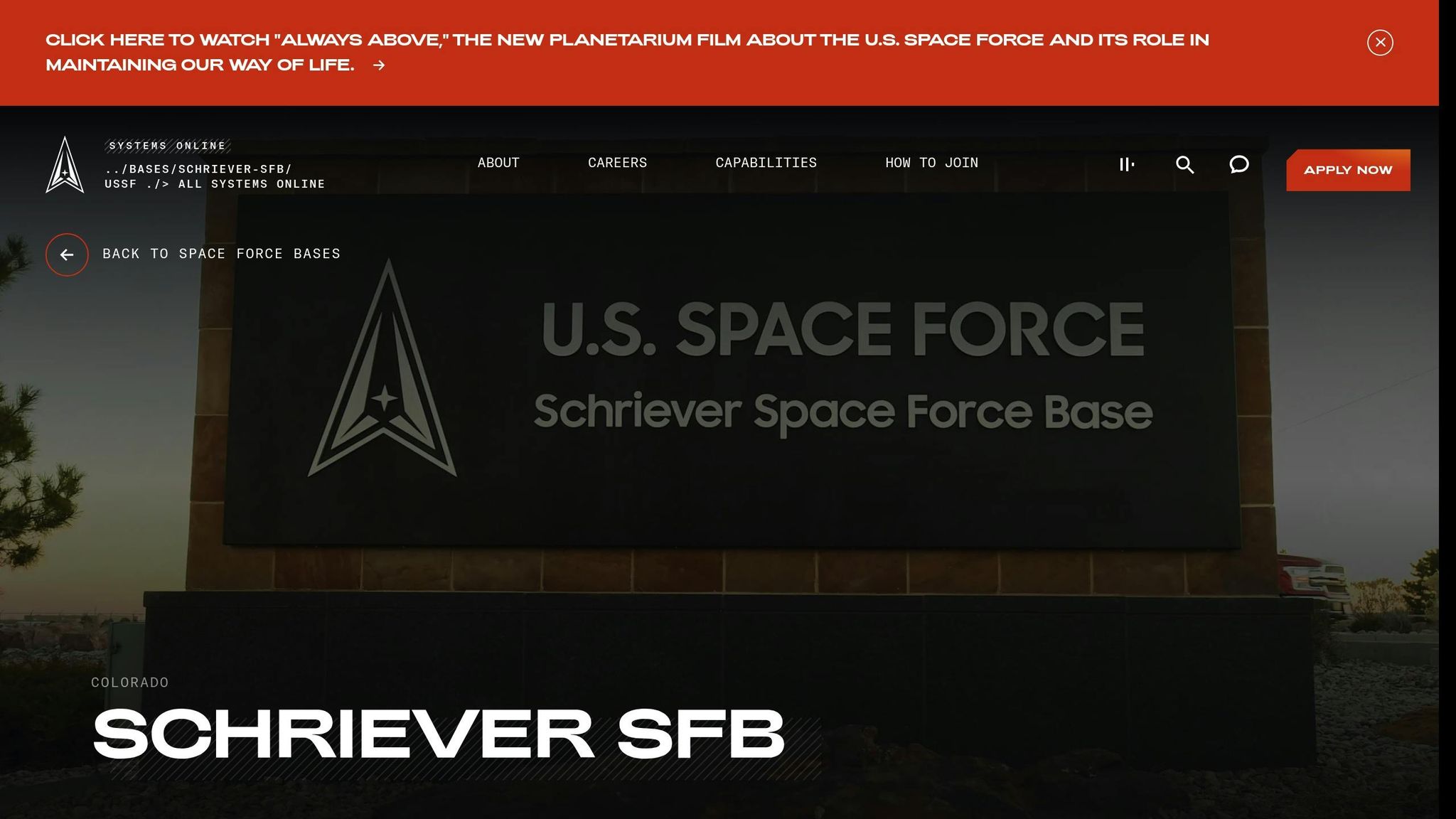
Schriever Space Force Base hosts Space Delta 6, often called the "Cyber Delta", which manages the $6.8 billion Satellite Control Network. By 2027, Schriever is set to add 250 new cybersecurity positions through Space Delta 15, further solidifying its role as a major player in Colorado Springs’ cybersecurity landscape. Contractors here focus on securing satellite communications and control systems, ensuring the safety and functionality of the military’s satellite infrastructure.

Cheyenne Mountain Space Force Station

Cheyenne Mountain Space Force Station

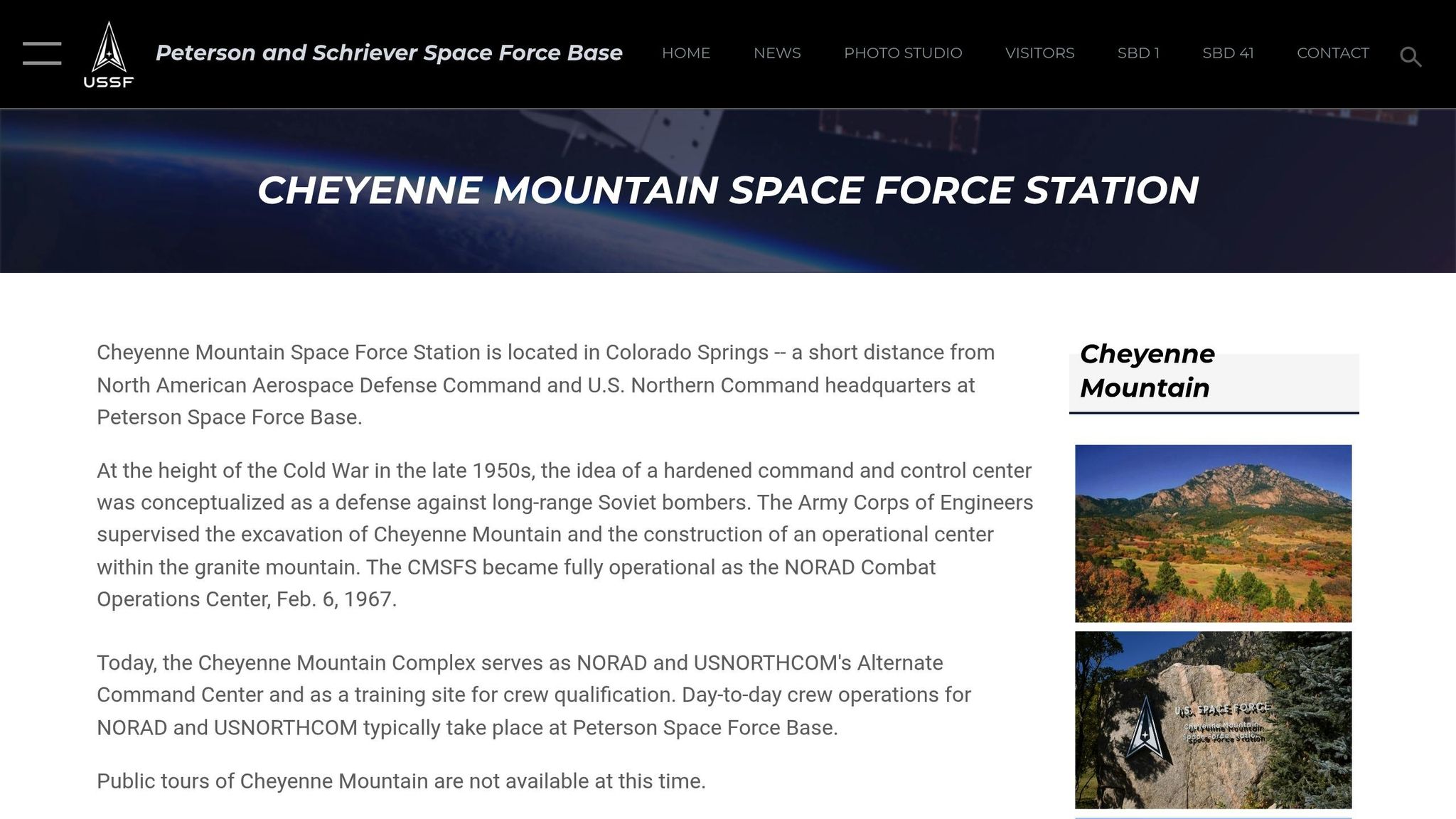
Cheyenne Mountain Space Force Station operates from its iconic underground facility and specializes in space-based intelligence and missile warning systems. Contractors supporting this station must have access to TALENT KEYHOLE (TK) compartments – such as BLUEFISH, IDITAROD, and KANDIK – and hold full-scope polygraph clearances. Their work involves advanced data analytics, signal processing, and cybersecurity measures for highly classified systems, ensuring the integrity of intelligence and missile warning operations.

Major Contractors and Hiring Activity

Colorado Springs is buzzing with activity as the Space Force contractor market continues to grow, driven by billion-dollar contracts and an urgent need for skilled professionals. With Space Force operating at 75% capacity – 1,024 of 1,370 positions filled – contractors are stepping in to fill critical capability gaps while the service builds its permanent workforce.

Top Companies Securing Space Force Contracts

Several major players are leading the charge in securing Space Force contracts and driving hiring efforts:

  • Booz Allen Hamilton: With a $630 million, 7-year contract, Booz Allen Hamilton is ramping up cybersecurity hiring, particularly for professionals with TS/SCI clearances.
  • Lockheed Martin: Expanding its footprint in Colorado Springs, Lockheed Martin is leveraging the $12 billion Space Enterprise Consortium (SpEC) Other Transaction Authority vehicle. Their focus includes next-generation satellite control systems and cybersecurity defense, creating demand for experienced cybersecurity experts.
  • Omni Federal: A rising force, Omni Federal has secured multiple task orders under the DISA Encore III contract vehicle, focusing on designing and implementing cybersecurity architecture for Space Delta operations.
  • CACI and SAIC: Both companies are deploying cybersecurity talent through the CIO-SP3 vehicle, further contributing to the growing demand for skilled professionals.

Job Market Activity and Hiring Speed

The job market for Space Force contractors in Colorado Springs is moving at a rapid pace. More than 200 contractor positions are posted each month, with regular job fairs featuring over 50 employers actively seeking cybersecurity talent. The use of Direct Hire Authority has significantly shortened hiring timelines, allowing qualified candidates to secure offers within just 8 weeks. This expedited process is crucial for addressing immediate operational needs while permanent positions are being filled.

Remote Work Options: Project Enigma

Project Enigma is reshaping the contractor landscape by introducing an $18 million classified remote work initiative. This program allows cleared professionals to handle critical cybersecurity tasks from approved remote locations, eliminating the need for a daily commute to secure government facilities. Designed for roles that don’t require constant onsite presence, Project Enigma offers greater flexibility and appeals to talent from high cost-of-living areas. Hybrid work arrangements, blending time in secure facilities with remote work opportunities, are also expanding the pool of available talent in Colorado Springs.

sbb-itb-bf7aa6b

Salaries, Living Costs, and Financial Analysis

For Space Force cybersecurity contractors based in Colorado Springs, the financial outlook is highly attractive. With strong salaries paired with manageable living costs, the city stands out as a prime location for these specialized roles. This financial snapshot complements the earlier discussion on job market dynamics.

Pay Rates by Security Clearance Level

In Colorado Springs, salary levels for cybersecurity contractors vary significantly based on security clearance. Higher clearance levels command sizable pay increases, reflecting the premium placed on accessing sensitive information. Here’s how the numbers break down:

Clearance Level Average Salary Premium Over Secret Premium Percentage
Secret $93,748 Baseline –
TS/SCI $131,907 $38,159 40.6%
Full Scope Polygraph $148,314 $54,566 58.2%

These premiums highlight the demand for professionals capable of handling classified data tied to space-based intelligence programs. For instance, Space Delta 6’s $6.8 billion Satellite Control Network has created a wealth of high-paying contractor roles. Many of these positions, especially those requiring TS/SCI clearance, focus on Defensive Cyber Operations for Space (DCO-S), safeguarding over 170 Department of Defense satellites.

Colorado Springs Living Expenses

Colorado Springs

Beyond high salaries, Colorado Springs offers a cost of living advantage that makes it even more appealing. Housing costs are significantly lower than in coastal tech hubs, with median home prices ranging from $483,000 to $499,000. Rental prices are also affordable, averaging between $1,205 and $1,316 per month. Compared to major coastal cities, housing in Colorado Springs is roughly 70% cheaper.

Utility costs are another bright spot. Even with projections estimating monthly utility expenses to reach $334 by 2029, these costs remain well below national averages for cities of similar size. For professionals relocating from high-cost regions, the savings on housing and utilities alone can be substantial, while clearance premiums ensure financial stability.

Net Income After Taxes and Expenses

When it comes to take-home pay, Colorado Springs offers a favorable financial environment. Colorado’s state income tax rate is 4.4%, and the absence of local income taxes in the city further boosts net earnings. This tax structure, combined with lower living expenses, leaves contractors with a strong disposable income.

For example, a TS/SCI-cleared professional earning $131,907 annually can enjoy significant take-home pay even after accounting for state and federal taxes, housing, and utilities. For those holding a Full Scope Polygraph and earning $148,314, the financial benefits are even greater. The clearance premium more than compensates for any regional cost increases, ensuring a solid financial position.

With competitive salaries, reasonable living costs, and a growing market for cleared professionals, Colorado Springs provides an ideal setting for building wealth while advancing in the space cybersecurity field. The market’s growth, fueled by strategic contracts like Booz Allen’s $630 million commitment, suggests that these financial advantages are here to stay as demand for skilled talent continues to rise.

Contract Vehicles and Career Requirements

For Space Force cybersecurity contractors in Colorado Springs, understanding the contract landscape and keeping up with certification changes is essential for career growth. The move toward streamlined acquisition processes and updated professional standards is reshaping how contractors access high-value projects, fueling the rapid growth discussed earlier.

Primary Contract Vehicles

Several key contract vehicles shape the opportunities available to Space Force cybersecurity contractors, each offering unique pathways to significant projects. The Space Enterprise Consortium (SpEC) OTA is particularly noteworthy, with its $12 billion ceiling aimed at rapid prototyping. This Other Transaction Authority mechanism reduces bureaucracy, allowing faster contract awards and more flexible project structures.

Another major avenue is CIO-SP3, a government-wide acquisition contract that supports IT solutions, including cybersecurity services across federal agencies. This multi-award vehicle provides consistent opportunities for contractors working at Space Force installations like Peterson and Schriever. Similarly, DISA Encore III focuses on IT modernization for the Department of Defense, offering a $17.5 billion ceiling with a strong emphasis on cybersecurity and communications infrastructure.

The Hemisphere Program stands out for its focus on advanced technology research and development in space and cyber missions. Often involving classified work, this program requires higher clearance levels and supports specialized compartments like BLUEFISH, IDITAROD, and KANDIK, which are critical for space-based intelligence operations.

Recent contract awards highlight the scale of opportunities these vehicles create. For example, ITS, LLC, a Service-Disabled Veteran-Owned Small Business, secured funding for a $7 million expansion in Colorado Springs, adding 500 jobs in IT engineering and cybersecurity through these mechanisms.

On the hiring side, Direct Hire Authority has streamlined timelines for filling critical cyber roles, reducing the hiring process to as little as 8 weeks. This is especially advantageous for professionals with active TS/SCI clearances, enabling quicker transitions between projects.

As these contract vehicles drive growth, evolving certification standards are also reshaping contractor eligibility.

DoD 8140 Certification Changes

The transition from DoD 8570 to DoD 8140 is redefining how cybersecurity professionals qualify for Space Force contractor roles. By February 15, 2025, this new role-based framework will fully replace the older static certification list. Instead of broad categories, contractors must now align their certifications with specific job functions.

Under DoD 8140, certifications like CISSP, CISM, Security+, and CEH must directly map to roles such as Cyber Defense Analyst or Incident Responder. This shift impacts every stage of contractor employment, from hiring to contract compliance and career growth. For example, Space Delta 6’s management of the $6.8 billion Satellite Control Network at Schriever Space Force Base underscores the importance of having the right certifications aligned with critical infrastructure roles.

The new framework emphasizes continuous learning and skills validation, moving away from the previous "check the box" approach. For contractors working on Defensive Cyber Operations for Space, which safeguard over 170 DoD satellites, staying up-to-date with technical skills and certifications tailored to their responsibilities is now a must.

Professionals should consult the DoD 8140 work role matrix to see how their existing certifications align with their career goals. Those involved in classified programs or specialized compartments may need additional credentials beyond standard cybersecurity certifications. The role-based system also opens doors for specialization in cutting-edge areas like AI-driven defense systems or cyber threats unique to space operations.

Contract compliance under DoD 8140 is now more precise, as contracts specify exact certification requirements tied to work roles. While this raises the bar for entry, it also benefits qualified professionals by reducing competition from those lacking the necessary credentials. For instance, the Project Enigma initiative, with its $18 million investment in classified remote work capabilities, showcases how proper certification alignment can grant access to innovative roles while maintaining strict security standards.

This shift in certification requirements presents both challenges and opportunities. Contractors who proactively align their credentials with DoD 8140 will be better positioned to compete for the 200+ active contractor positions posted monthly in the Colorado Springs area. Combining the right certifications, active clearances, and an understanding of Space Force missions creates a strong edge in this fast-changing market.

Conclusion: Acting on Colorado Springs Opportunities

Colorado Springs is a hotspot for cleared cybersecurity professionals, presenting a wealth of career opportunities. With over 4,200 new aerospace roles and a $7 million expansion creating 500 additional jobs, the city’s growth is fueled by expanding Space Force missions, billion-dollar contracts, and a persistent demand for skilled talent[1].

Professionals with TS/SCI clearances are seeing impressive financial rewards, earning an average of $131,907 – 40.6% more than Secret-level roles. Those with polygraph qualifications can command even higher pay, averaging $148,314, which represents a 58.2% premium[2]. When paired with housing costs that are 70% lower than San Francisco and affordable rental options, these salaries significantly enhance take-home pay. Adding to this, a strong network of contractors ensures steady career growth.

Top firms like Booz Allen Hamilton, along with initiatives such as Project Enigma’s $18 million classified remote work program and the Space Enterprise Consortium’s $12 billion OTA, are driving rapid advancements in the field. The Direct Hire Authority further simplifies the process, cutting hiring timelines to just eight weeks.

Now is the time for cleared professionals to seize these opportunities. With the Department of Defense transitioning to DoD 8140 certification requirements by February 15, 2025, and over 200 contractor positions posted monthly alongside 50+ active job fairs, the urgency to act is clear.

Governor Polis highlights Colorado Springs’ strategic advantages, including its growing talent pool, collaborative business environment, and prime location, as critical factors drawing top cybersecurity talent and leading defense contractors[1].

Colorado Springs combines mission-critical roles, competitive salaries, lower living costs, and flexible work options, making it the ideal destination for your next career step.

FAQs

What qualifications and security clearances do you need for Space Force cybersecurity contractor roles in Colorado Springs?

To land a role as a Space Force cybersecurity contractor in Colorado Springs, being a U.S. citizen is a must, along with having or qualifying for a Top Secret/SCI clearance. Many of these positions require an active TS/SCI clearance, and some even prefer candidates with a full-scope polygraph.

Certifications such as CISSP, Security+, or CEH can give you a competitive edge. Additionally, having experience with space-based systems, satellite communications, and advanced cybersecurity techniques can be a big plus. These qualifications ensure you’re ready to tackle sensitive missions and contribute to this rapidly growing field.

What financial benefits does Colorado Springs offer cybersecurity professionals compared to other major tech hubs?

Colorado Springs stands out as a financially smart choice for cybersecurity professionals, especially when compared to tech powerhouses like San Francisco or New York. Although the cost of living here is about 2.1% above the national average, it’s still far more manageable than the soaring expenses in those major cities. For instance, the average home price ranges between $483,000 and $499,000, while monthly rent typically falls between $1,205 and $1,316 – a fraction of what you’d shell out in places like the Bay Area.

Now, combine that with competitive salaries, particularly for those holding a TS/SCI clearance, where the average annual pay hits $131,907, and you’ve got a recipe for financial comfort. Lower housing costs paired with strong earning potential mean professionals can save more and enjoy a better quality of life. With its affordability and the increasing demand for cybersecurity experts, Colorado Springs offers an attractive balance of career opportunities and financial stability.

What is Project Enigma, and how does it create remote work opportunities for Space Force cybersecurity contractors?

Project Enigma is a classified initiative with an $18 million budget, aimed at enabling secure remote work for Space Force cybersecurity contractors. Using advanced technologies, it ensures that professionals holding TS/SCI clearances can handle sensitive tasks from remote locations without jeopardizing security protocols.

This program marks a major shift in how work is approached, offering contractors more flexibility while maintaining strict security standards. By allowing experts to contribute to critical Space Force missions without relocating, it broadens the talent pool and makes it easier to attract and retain highly skilled professionals nationwide.

Related Blog Posts

  • CIO-SP3 Cybersecurity Positions vs DISA Encore III – Which Vehicle Drives Your Career?
  • TS/SCI Salary Premium – The Real Numbers Behind Your Security Clearance
  • Cleared Cybersecurity Jobs by Location – DC vs Colorado Springs vs San Antonio
  • Remote Cleared Cybersecurity Jobs – The Reality for TS/SCI Holders

Related Guides

  • TS/SCI Salary Premium: Real 2026 Numbers
  • Security Clearance Interview: What to Expect

Remote Cleared Cybersecurity Jobs – The Reality for TS/SCI Holders

CyberSecJobs Editorial · September 8, 2025 · Leave a Comment

Remote cleared cybersecurity jobs for TS/SCI holders are rare – only 4% of roles offer telework. These positions demand strict on-site work due to SCIF requirements, secure network policies, and Department of Defense (DoD) rules. While remote TS/SCI jobs often pay $15,000–$20,000 more annually, they are tied to stringent security protocols that limit flexibility.

Key points:

  • SCIF Requirements: TS/SCI work must occur in accredited secure facilities with strict infrastructure and access controls.
  • Policy Barriers: DoD policies and agency-specific rules, like those at NSA, restrict remote work for classified tasks.
  • Technological Limits: Classified networks like SIPRNet and JWICS disallow remote access, unlike unclassified NIPRNet.
  • Salary Differences: TS/SCI remote jobs pay more but are harder to find. On-site roles offer $82,000–$175,000, while remote positions range from $109,000–$210,000.
  • Hybrid Options: Professionals may negotiate limited flexibility, such as a 50-mile SCIF radius for hybrid work.

For TS/SCI professionals, balancing higher pay with rigid work requirements is a challenge. Roles like compliance consulting or threat intelligence may allow hybrid setups, but most positions demand daily SCIF access. Geographic location also affects real income, with lower-cost areas like Huntsville offering better purchasing power than cities like Washington, D.C.

Do Security Clearance Job Boards List Remote Positions? – Job Success Network

Job Success Network

SCIF and Policy Barriers to Remote TS/SCI Work

The main obstacle to remote cleared cybersecurity jobs lies in the strict security infrastructure and policies that govern classified work. These restrictions explain why TS/SCI professionals have far less flexibility than those with Secret-level clearances. This rigid environment necessitates specialized facilities, which are outlined below.

Classified Work and SCIF Requirements

TS/SCI work must be conducted within a Sensitive Compartmented Information Facility (SCIF). These facilities are built to meet ICD 705 standards, featuring reinforced walls, acoustic shielding, and advanced access controls.

Building a home SCIF can cost over $100,000 for a basic 10×10 room, and that doesn’t include the lengthy accreditation process or ongoing maintenance. TS/SCI-level work also demands FIPS 140-2 compliant hardware, specialized encryption, and air-gapped networks – requirements that are impossible to meet in a typical home office setup. Even the most secure home workspace falls short of these stringent standards.

While mobile SCIFs, such as ISO container-based solutions, can be deployed in about six weeks, they are primarily used for temporary field operations and still require physical presence within a secure environment.

DoD and Agency Telework Policies

Facility constraints are only part of the issue – policies and agency guidelines further restrict remote work for classified roles. The January 2024 update to DoD Instruction 1035.01 reinforced the rule that classified work must be performed in approved facilities. Exceptions are rare and require senior-level approval for mission-critical needs.

Federal agencies vary widely in their approach to remote work. CISA is among the most flexible, particularly for roles focused on unclassified missions or threat intelligence that doesn’t require constant access to classified systems. This reflects a modern understanding of how some cybersecurity tasks can be handled effectively in hybrid setups.

In contrast, the NSA strictly limits remote work to unclassified missions. Given the agency’s focus on signals intelligence and highly classified operations, this policy is understandable but leaves TS/SCI professionals with minimal flexibility.

Adding to the complexity, the Continuous Evaluation program, covering 2.2 million clearance holders, has introduced stricter oversight. Agencies are increasingly cautious about approving telework arrangements that might hinder their ability to monitor and evaluate cleared personnel. Combined with facility and technological challenges, these policies explain why remote TS/SCI roles remain rare.

Cloud and Remote Access Limitations

Beyond physical and policy barriers, technological constraints also play a significant role. Even with advancements in cloud technology, classified workloads are confined to on-premises solutions within accredited SCIFs. While platforms like AWS GovCloud and Azure Government Level 6 offer high security for sensitive but unclassified data, they are not authorized for TS/SCI-level information.

NIPRNet allows remote access for unclassified work using secure VPNs and multi-factor authentication. However, SIPRNet and JWICS – the classified networks used for TS/SCI work – require physical access within secure facilities. Remote access is deliberately excluded to maintain the compartmentalization and strict security controls these networks demand.

Network Classification Level Remote Access Typical Use
NIPRNet Unclassified Yes (VPN) Administrative work, unclassified research
SIPRNet Secret No Secret-level intelligence, operations
JWICS TS/SCI No Top Secret compartmented information

This infrastructure is unlikely to change. Transmitting classified data over external networks – even with advanced encryption – is deemed too risky under current federal standards. While the technology exists to create secure remote connections, policies prohibit their use for classified work.

This creates a clear divide in the job market. Professionals willing to work on-site in SCIFs gain access to the highest-paying TS/SCI roles, while those seeking remote positions must focus on unclassified work or settle for roles requiring only Secret-level clearances.

Cybersecurity Roles with Remote or Hybrid Options

For cybersecurity professionals navigating strict on-site requirements, finding roles that allow remote or hybrid work can feel like threading a needle. While SCIF protocols and clearance policies dictate much of the work environment, there are positions that offer flexibility. The nature of the tasks, required clearance levels, and mission priorities all play a role in determining whether a job can be done remotely or must be performed on-site. Knowing these nuances can help TS/SCI-cleared professionals zero in on roles that fit their lifestyle and career goals.

Remote-Friendly Roles

Some cybersecurity jobs lend themselves to remote or hybrid setups, especially when tasks don’t involve classified materials. For example, threat intelligence analysts can often work from home using open-source intelligence tools. Other roles, like compliance consultants, cloud security architects, trainers, and risk management specialists, also align well with remote or hybrid work, even under TS/SCI guidelines.

Take compliance consultants and auditors, for instance. Much of their work – like FedRAMP assessments or implementing NIST frameworks – can be handled remotely. They can review documentation, conduct interviews over secure video calls, and draft compliance reports without needing to step into a classified facility.

Similarly, cloud security architects working on platforms like AWS GovCloud or Azure Government often enjoy hybrid schedules. While initial system designs or security reviews might require in-person collaboration, day-to-day monitoring and optimization can be managed through secure remote connections.

Cybersecurity trainers and awareness specialists have also embraced remote work by creating digital curricula and hosting virtual training sessions. These roles typically avoid classified material, making remote delivery feasible. Likewise, risk management specialists tasked with FISMA assessments or security control evaluations can handle documentation reviews and reporting from a home office.

Roles Requiring On-Site Presence

On the flip side, some cybersecurity positions are tightly tethered to secure facilities. Security Operations Center (SOC) analysts, for instance, need access to networks like SIPRNet and JWICS, which can only be used in secure environments. Similarly, incident response specialists, network operators, penetration testers, and cryptologic technicians are often required on-site due to the sensitive nature of their work and reliance on classified systems.

Understanding the specific demands of these roles can help professionals navigate conversations about remote or hybrid options while staying aligned with mission-critical requirements.

How to Negotiate Remote and Hybrid Work

Navigating the complexities of SCIF and telework guidelines can be tricky, but there are strategic ways to approach negotiations for remote or hybrid work. For professionals in cleared cybersecurity roles, success often hinges on framing requests around how flexibility benefits the mission – not just personal convenience. TS/SCI professionals who emphasize operational advantages tend to have more success in securing flexible work arrangements.

Focus on Mission Value in Negotiations

To succeed in remote work negotiations, it’s essential to show how flexibility contributes to mission success. Every point you make should connect directly to operational benefits. Start by presenting metrics that prove how remote work enhances outcomes. Use data, reports, or ROI calculations to highlight your contributions. For instance, if you’ve improved threat detection rates or reduced incident response times, back up your case with those numbers.

Highlight your specialized skills and certifications, such as CISA for audit roles, CEH for ethical hacking, or CISSP for overall cybersecurity expertise. These credentials demonstrate your technical qualifications. Additionally, emphasize soft skills like remote team leadership or experience managing distributed teams to further underline your value.

Take the time to align your expertise with the organization’s mission. Research their recent challenges, strategic goals, and pain points, and explain how your skills directly address these issues. By doing so, you position yourself as a key contributor to their success.

Using Contract Vehicles for Flexibility

Some contract vehicles already include provisions for remote work, which can strengthen your case during negotiations. For example, the CIO-SP3 contract, with its $20 billion ceiling, explicitly supports telecommuting under Task Area 8. If the organization you’re negotiating with uses CIO-SP3, reference this as a precedent. It demonstrates that remote work is not only feasible but also recognized within established procurement guidelines.

Similarly, DISA Encore III contracts allow for hybrid work setups, particularly for roles that don’t require constant access to classified systems. These contracts acknowledge the reality of modern cybersecurity work, which often involves both classified and unclassified tasks. Use these frameworks to show how your proposal aligns with existing guidelines, balancing security with flexibility.

Requesting a 50-Mile SCIF Radius

If full remote work isn’t an option, consider negotiating for a 50-mile SCIF radius as a hybrid solution. This approach respects security requirements while reducing your commute. Present it as a practical model where you can report to a SCIF-equipped facility when needed but handle unclassified tasks from other locations.

When making this request, identify SCIF-equipped facilities within your proposed radius and confirm your ability to access them on short notice. Frame the 50-mile radius as a tool for attracting and retaining top talent, emphasizing how geographic flexibility can help the organization stay competitive. You might also propose a 90-day trial period to measure productivity and mission outcomes, giving both parties a chance to evaluate the arrangement.

sbb-itb-bf7aa6b

Pay Differences by Location and Work Type

Where you live can significantly impact your actual purchasing power as a cleared cybersecurity professional. For example, professionals in Huntsville, Alabama enjoy a real income of $144,929, compared to roughly $97,000 in Washington, DC, according to Glassdoor. This stark difference shows how geographic arbitrage – living in a lower-cost area while earning a competitive salary – can stretch your income. Add to that the fact that remote cleared cybersecurity roles typically pay an extra $15,000 to $20,000 annually compared to on-site jobs, and the financial advantages become even clearer [Federal News Network 2023]. These factors emphasize how both location and work type can influence earnings.

Salary Ranges by Work Type

When it comes to TS/SCI roles, the work arrangement – whether on-site or remote – affects pay significantly. On-site positions generally offer salaries between $82,000 and $175,000. However, remote roles not only provide more flexibility but also command higher pay, with salaries ranging from $109,000 to $210,000. This difference reflects the limited availability of remote positions and the advanced skills required for these roles [ZipRecruiter].

Work Arrangement Salary Range
TS/SCI On-Site $82,000 – $175,000
TS/SCI Remote $109,000 – $210,000

These numbers highlight the financial benefits of remote work, especially when paired with the cost savings of living in more affordable areas.

Secret vs TS/SCI: Pay and Flexibility Differences

In the cybersecurity world, there’s a straightforward trade-off: higher clearance levels mean bigger paychecks but less flexibility in where and how you work. This forces professionals to weigh the benefits of higher earnings against the limitations of rigid work environments. Let’s break it down.

Pay and Flexibility Gaps

On average, TS/SCI clearance holders earn 40.6% more than their Secret-cleared counterparts – pulling in $131,907 annually compared to $93,748. This pay bump reflects the specialized skills and scarce qualifications required for TS/SCI roles. But it comes with a catch: less freedom to work remotely.

While Secret clearance jobs are increasingly offering hybrid setups (often requiring just 1–2 days in the office each week), TS/SCI positions are far more restrictive. The nature of Sensitive Compartmented Information (SCI) demands that most tasks involving classified material be handled within a SCIF (Sensitive Compartmented Information Facility) [2].

In short, Secret clearance roles provide more room for hybrid schedules, while TS/SCI positions are tethered to secure facilities. This is because TS/SCI professionals often deal with highly sensitive intelligence and national security matters that can’t be managed remotely without risking security [2][1].

Additionally, TS/SCI clearance holders face stricter ongoing requirements, such as reporting foreign contacts or travel, which can further limit even the most flexible work arrangements [3].

Comparison Table: Secret and TS/SCI Roles

Here’s a side-by-side look at how Secret and TS/SCI roles differ:

Factor Secret Clearance TS/SCI Clearance
Average Salary $93,748 $131,907
Salary Premium Baseline +40.6%
Remote Options Limited but growing Rare (4% of roles)
Hybrid Flexibility Common (1–2 days in-office/week) Minimal, SCIF-based
SCIF Requirements Occasional access Daily/continuous access
Work Location Flexibility Moderate Highly restricted
Reporting Requirements Standard updates Continuous monitoring
Career Mobility Geographic flexibility Tied to SCIF locations

This comparison highlights the clear trade-off between higher pay and reduced flexibility for TS/SCI professionals. It’s a balancing act that many in cybersecurity must carefully consider, weighing financial rewards against the lifestyle limitations that come with these high-clearance roles.

Conclusion: Remote Work Options for TS/SCI Professionals

Remote opportunities for cleared cybersecurity professionals are growing, but they remain limited, with only 4% of cleared positions offering remote options. However, those who secure these roles often enjoy a significant financial boost, earning a $15,000-$20,000 annual premium compared to their on-site counterparts. This reflects the high demand and unique skill set required to handle both the technical challenges and strict regulatory requirements of classified work.

Still, remote work in this field faces hurdles. SCIF requirements and DoD Instruction 1035.01 heavily restrict remote options, particularly for roles tied to sensitive information. For professionals navigating these challenges, negotiation becomes essential. Highlighting your mission-critical contributions and ensuring SCIF access within a 50-mile radius can improve your chances of securing a flexible arrangement. Among cleared roles, threat intelligence jobs provide the most remote opportunities, with 459 listings currently available, while SOC analyst positions mostly require on-site presence.

Hybrid work setups are becoming more common, offering some flexibility. Additionally, geographic arbitrage can significantly impact real income. For example, professionals in Huntsville can achieve a real income of $144,929, far exceeding the $97,000 in Washington, D.C., after adjusting for cost-of-living differences.

While TS/SCI roles offer a 40.6% salary premium over Secret clearance positions, they come with reduced flexibility. However, the cybersecurity industry is gradually adapting to modern work expectations. Agencies like CISA are leading efforts to introduce more remote options, while organizations such as the NSA continue to limit remote work to unclassified missions. For TS/SCI professionals, the key lies in strategically aligning with roles and locations that balance compensation and flexibility.

FAQs

What are the key challenges in finding remote TS/SCI cybersecurity jobs, and how can professionals address them?

Finding remote TS/SCI cybersecurity jobs isn’t exactly easy. Only about 4% of cleared positions are remote, and for good reason. The lengthy clearance process and strict security protocols often require that classified work be done in secure environments, like SCIFs. These requirements make remote work for classified missions a rare exception.

So, what can you do to improve your chances? Start by emphasizing your mission-critical skills and showcasing a solid grasp of security compliance requirements. These are key areas that employers look for. You might also consider negotiating for some flexibility within the regulations – like proposing a 50-mile SCIF radius to make things more manageable.

Another option is to focus on agencies like CISA, which tend to offer more remote opportunities. Exploring hybrid roles could also open doors to greater flexibility while still meeting the demands of classified work.

How does where you live affect your salary and job options as a TS/SCI clearance holder?

Your location significantly influences both your salary and job prospects as a TS/SCI clearance holder. In high-demand areas like Washington, D.C., and Northern Virginia, salaries tend to be higher due to locality pay adjustments. However, these higher wages often come with a catch: the cost of living can eat into your real income. For instance, in Huntsville, Alabama, the average real income for a similar position is around $144,929, whereas in D.C., it might drop to $97,000 once living expenses are factored in.

Location also affects the availability of remote or hybrid roles. Some regions, driven by local demand and operational costs, are more inclined to offer flexible work arrangements, while others stick to on-site positions. Being aware of these regional differences can help you make informed decisions to optimize both your earnings and career growth.

How can TS/SCI professionals negotiate flexible work arrangements while meeting strict security requirements?

TS/SCI professionals looking to negotiate flexible work arrangements should emphasize how their proposed setup supports the mission rather than focusing on personal convenience. For example, you might suggest working within a 50-mile radius of a SCIF or utilizing mobile SCIF solutions that meet ICD 705 standards. By presenting options like these, you show that you’re committed to maintaining operational security while accommodating flexibility.

To further build trust, demonstrate a solid understanding of key security protocols, such as FIPS 140-2 requirements and DoD Instruction 1035.01. This approach not only highlights your knowledge but also reassures decision-makers that compliance is a top priority.

It’s also essential to research your specific agency’s policies. Agencies like CISA may be more open to flexible arrangements, while others, such as the NSA, might have stricter guidelines. By tailoring your request to fit the agency’s framework and presenting a well-thought-out plan to maintain security while working remotely, you can make a stronger case for flexibility.

Related Blog Posts

  • The Real Numbers Behind Your Security Clearance
  • Why Your Polygraph Increases Salary by $40K – The Truth About Pay Premiums
  • TS/SCI Salary Premium – The Real Numbers Behind Your Security Clearance
  • Full Scope Polygraph Jobs – The $180K Cybersecurity Positions

Related Guides

  • Why Your Polygraph Increases Salary by $40K – The Truth About Pay Premiums
  • AI Security Clearance Jobs – Get Ahead of the Emerging Threat Landscape
  • Full Scope Polygraph Jobs – The $180K Cybersecurity Positions
  • TS/SCI Salary Premium: Real 2026 Numbers
  • Polygraph Prep: How to Pass Your First Time

Cleared Cybersecurity Jobs by Location – DC vs Colorado Springs vs San Antonio

CyberSecJobs Editorial · September 2, 2025 · Leave a Comment

Looking for the best city for cleared cybersecurity jobs? Here’s what you need to know:

  • San Antonio offers the highest purchasing power, with $7,067 in monthly disposable income, zero state income tax, and affordable housing.
  • Colorado Springs combines competitive salaries, short commutes (18.93 mins), and emerging opportunities in space-cyber roles.
  • Washington, DC leads in job opportunities (35,000+ openings) and salaries but suffers from high living costs, leaving only $4,100 in monthly disposable income.

Quick Comparison:

Location Disposable Income Job Openings Median Commute Housing Costs (% of Pay) Key Focus Areas
San Antonio $7,067 431 25 mins 26.9% Offensive cyber missions
Colorado Springs $6,291 5,300+ 18.93 mins 31.5% Space-cyber integration
Washington, DC $4,100 35,000+ 46 mins 54.6% Federal policy & strategy

If you’re early in your career, DC’s larger job market may offer better growth opportunities. Mid-career professionals might prefer Colorado Springs for its balance of cost and career options. Senior professionals or those prioritizing savings should consider San Antonio for its financial advantages.

Your choice depends on what matters most – financial stability, career growth, or lifestyle.

Salary and Compensation Breakdown

Base Salaries by Location

Cleared cybersecurity salaries can vary significantly depending on the location. For instance, in Washington, DC, the average base salary is around $149,398, while in Colorado Springs, it ranges from $135,000 to $145,000. San Antonio offers slightly lower figures, with salaries typically falling between $128,000 and $138,000 for similar roles.

When factoring in locality adjustments, the differences become even more pronounced. A GS-13 Step 5 base salary of $102,663 increases to approximately $140,100 in DC but only $123,550 in San Antonio, creating an annual gap of $16,550.

Contractor salaries also reflect these regional differences. For example, positions at NSA Texas offer between $125,000 and $140,000 for senior cybersecurity analysts. In Colorado Springs, roles tied to the Space Force often pay $130,000 to $150,000, especially for specialists in space–cyber integration. Meanwhile, contractors working in the DC metro area, particularly on Pentagon or Fort Meade assignments, can expect $145,000 to $165,000, provided they have comparable experience.

Next, let’s explore how these salary figures translate into real-world purchasing power.

Real Purchasing Power After Cost Adjustments

When adjusted for essential expenses like housing, transportation, and food, San Antonio offers the highest purchasing power for cleared professionals at $138,253. Colorado Springs follows at $129,278, while DC lags significantly at just $98,223 in real buying power.

This disparity stems largely from housing costs. In DC, a $150,000 salary must contend with median home prices of around $775,000, whereas in San Antonio, the same income faces a much lower median of $343,000.

Taxes also play a key role. Texas professionals benefit from no state income tax, saving roughly $7,560 annually compared to Virginia’s 5.75% state tax rate. Colorado, with a state tax rate of 4.4%, offers a middle ground in terms of take-home pay.

Contract Vehicle Pay Differences

Compensation is further influenced by the type of contract vehicle. For example, DISA Encore III contracts often pay 5–15% more than CIO-SP3 contracts. This means a position paying $140,000 under CIO-SP3 could increase to $147,000–$161,000 under Encore III terms.

The DC area offers a wide range of high-paying contract vehicles, including OASIS, CIO-SP3, and SEWP, each with its own pay structure. In Colorado Springs, contracts are frequently tied to DISA Encore III or specialized Space Force agreements, which often include additional allowances for clearances and certifications. San Antonio’s contract ecosystem, meanwhile, is heavily focused on NSA Texas roles, with many positions structured under OASIS or direct GSA schedules. Although San Antonio has fewer contract vehicle options, its lower living costs allow for strong purchasing power even with slightly lower pay rates.

Choosing the right contract vehicle can significantly impact earnings. For instance, a senior professional might earn around $155,000 on an Encore III contract in Colorado Springs, enjoying an average commute of 18.93 minutes, compared to $165,000 in DC with a much longer 46-minute commute. This makes Colorado Springs an appealing option for those prioritizing both financial benefits and work–life balance.

These detailed insights into salary and compensation provide essential guidance for professionals considering relocation within the cleared cybersecurity sector.

Uncovering the Top U.S. Cybersecurity Hub – More Jobs Than California!

Cost of Living and Take-Home Pay

Let’s take a closer look at how your take-home pay holds up after accounting for essential expenses. While Washington, DC boasts the highest base salaries for cleared cybersecurity jobs, the cost of living in the area significantly diminishes that advantage.

Housing Costs by Location

Housing is the biggest factor driving cost-of-living differences across these three markets. For someone earning a $150,000 annual salary, the portion of take-home pay spent on housing varies widely:

  • Washington, DC: Housing eats up a whopping 54.6% of take-home pay (about $4,370 per month) with a median home price of $775,000.
  • Colorado Springs: Housing costs take 31.5% of take-home pay (around $2,520 per month) with median home prices at $475,000.
  • San Antonio: Housing requires just 26.9% of take-home pay (approximately $2,150 per month) with a median home price of $343,000.

Over time, these differences add up. For instance, a professional in DC paying $2,220 more per month for housing compared to someone in San Antonio will spend an additional $266,400 over a decade. That’s a significant financial hit to long-term savings and investments.

And housing isn’t the only factor. State income taxes also make a big dent in take-home pay.

State Income Tax Impact

State income tax rates vary, and they can have a major impact on your finances:

  • Colorado: A flat tax rate of 4.4% means about $5,280 annually in taxes for someone earning $150,000.
  • Virginia: A progressive tax rate of 5.75% takes a bigger slice of your paycheck.
  • Texas: No state income tax at all, which means you keep more of your earnings.

Over a 20-year career, a cleared professional working in tax-free Texas instead of Virginia could save about $151,200 in state income taxes alone. That’s money that could go toward retirement, education, or other long-term goals.

When you combine housing costs and taxes, the differences in disposable income become even more striking.

Monthly Disposable Income Comparison

After accounting for federal taxes, state taxes, housing, and other essential expenses, what’s left as disposable income varies dramatically depending on location:

  • San Antonio: Leads the pack with $7,067 in monthly disposable income, giving professionals more room for savings, entertainment, and investments.
  • Colorado Springs: Provides a solid middle ground with $6,291 per month.
  • Washington, DC: Trails far behind with only $4,100 per month, despite offering the highest base salaries.

This gap is massive. The $2,967 monthly difference between San Antonio and DC adds up to an annual loss of $35,604 in financial flexibility for DC professionals. That’s enough to significantly impact lifestyle choices. For example, those in DC may delay buying a home, scale back retirement contributions, or cut discretionary spending. Meanwhile, professionals in San Antonio or Colorado Springs are better positioned to afford vacations, build emergency funds, pursue continuing education, or make long-term investments.

Higher disposable income also provides career flexibility. With more financial breathing room, professionals can more easily transition between contracts, invest in certifications, or take calculated risks that lead to better opportunities. These differences don’t just shape your lifestyle – they play a critical role in deciding where you might want to live and work.

Job Market Size and Opportunities

Job markets differ significantly by region, each offering distinct career paths and prospects.

Current Job Openings

Washington, DC stands out with over 35,000 job openings, cementing its status as the epicenter for federal cybersecurity work. This abundance of opportunities not only provides strong leverage for salary negotiations but also makes it easier to transition between roles without relocating.

In Colorado Springs, there are 5,300+ openings, primarily centered around the aerospace defense sector and key military installations like Peterson Space Force Base and Cheyenne Mountain. The focus on space-related cybersecurity roles, combined with the growth of Space Force operations, ensures a steady demand for specialized talent.

San Antonio offers 431 positions, concentrated around NSA Texas and Joint Base San Antonio. While the number of openings is smaller, the competition is often less intense. These roles reflect the region’s unique focus and create opportunities for professionals looking for a more localized job market.

Major Employers and Mission Areas

Each region has its own set of leading employers and mission focuses. In Washington, DC, the emphasis is on federal agencies like the Department of Defense, the Department of Homeland Security, and various intelligence organizations. Professionals in this area often work on policy development, federal compliance frameworks, and enterprise-level security systems, with the chance to shape national cybersecurity standards.

Colorado Springs has become a hub for integrating cybersecurity with space operations. This includes protecting satellite communications, space-based systems, and aerospace defense assets. Major employers like Lockheed Martin, Raytheon, and Northrop Grumman dominate the landscape, along with new opportunities within Space Force operations. These roles often involve cutting-edge projects like satellite cybersecurity and detecting space-based threats.

In San Antonio, the focus shifts to offensive cyber operations, particularly through NSA Texas. Professionals here engage in advanced persistent threat analysis, nation-state attribution, and immediate threat response. These operational roles differ from the more strategic positions common in Washington, DC, and reflect the unique mission priorities of the region.

Growth Projections

The job market in Colorado Springs is positioned for substantial growth, thanks to the ongoing expansion of Space Force operations. By 2027, an additional 2,400 personnel are expected to join, creating new opportunities for cybersecurity professionals in this specialized field.

San Antonio is also on a growth trajectory, driven by the expansion of NSA Texas. This growth will likely increase the demand for cleared cybersecurity roles, making it an appealing option for those seeking opportunities in a smaller but rapidly developing market.

Meanwhile, Washington, DC maintains its steady and competitive demand for cybersecurity talent. The stability of this market ensures career flexibility and robust earning potential, offering a wide range of options for professionals based on their career goals and priorities.

sbb-itb-bf7aa6b

Quality of Life Factors

When choosing where to live and work as a cleared cybersecurity professional, quality of life factors like commute times, recreational opportunities, and local culture play a big role. These everyday elements often shape your overall satisfaction just as much as salary or job title.

Commute Times and Work-Life Balance

Efficient commutes can make a huge difference in work-life balance. In Colorado Springs, the average commute is just 18.93 minutes. This shorter travel time means more hours for family, hobbies, or even extra professional development. The city’s compact layout and the proximity of major employers, such as those near Peterson Space Force Base, keep travel times manageable.

San Antonio offers an average commute of about 25 minutes. Thanks to its highway system and the concentration of cleared positions, professionals can easily access key employers like NSA Texas without spending too much time in traffic.

On the other hand, Washington, DC has an average commute of 46 minutes. While the Metro system covers many areas, some cleared facilities require driving, and congestion can make travel times even longer. For professionals who may already face extended hours during critical incidents or maintenance windows, this added commute time is a crucial consideration. These differences in travel times highlight broader lifestyle contrasts that can influence relocation choices.

Recreation and Weather

Colorado Springs is a haven for outdoor enthusiasts. With landmarks like Pikes Peak and Garden of the Gods, the city offers countless hiking trails and opportunities for both summer and winter activities. Residents enjoy a lifestyle shaped by distinct seasonal changes, perfect for those who love nature and adventure.

In San Antonio, the warm climate and vibrant cultural scene take center stage. From the iconic River Walk to diverse festivals and a rich Hispanic heritage, the city offers a dynamic mix of attractions. However, the intense summer heat and humidity are something to keep in mind.

Washington, DC boasts world-class cultural amenities. From its renowned museums and historic landmarks to venues like the Kennedy Center, the city is a hub for cultural and intellectual pursuits. Its four-season climate offers a mix of warm summers and cooler winters, along with nearby scenic getaways for outdoor recreation. These recreational and weather differences might sway professionals based on their lifestyle preferences – whether they prioritize outdoor adventures, cultural experiences, or a balance of both.

Safety and Crime Rates

Safety is another key factor. In Colorado Springs, many neighborhoods benefit from a strong local and military presence, fostering a secure, family-friendly environment with relatively low crime rates.

In San Antonio, safety varies by neighborhood. Areas near military installations often offer a more secure atmosphere, but careful research is essential when choosing where to live.

Washington, DC and its surrounding affluent suburbs are known for their high safety standards. These areas, home to many federal employees, often feature well-maintained communities. However, this safety and quality of life typically come with a higher cost of living.

Location Average Commute Weather Description Recreation/Culture
Colorado Springs 18.93 minutes Sunshine with distinct seasons Outdoor activities like hiking and skiing
San Antonio 25 minutes Warm climate year-round Urban attractions, festivals, and a vibrant community
Washington, DC 46 minutes Four-season urban climate Museums, historic sites, and cultural institutions

These quality-of-life elements add depth to the financial and career considerations discussed earlier. Together, they provide a broader perspective to help guide your relocation decision.

Career Growth and Relocation Considerations

Switching between cleared positions involves careful planning, especially when it comes to clearance transfers, work arrangements, and career specialization. These elements can significantly influence your transition timeline and long-term career development.

Clearance Transfer Timelines

If you already hold a security clearance, you may be able to transfer it to a new employer or agency without undergoing a full background investigation again. This process, known as clearance portability, is designed to streamline transitions. Federal agencies are generally required to accept another agency’s investigation as the basis for granting clearance, but the timelines for these transfers can vary depending on where you’re headed [1][3].

For example, moving between Department of Defense (DoD) positions, like from Fort Meade to Peterson AFB in Colorado Springs, typically takes 45–60 days due to strong reciprocity agreements. However, transferring to NSA Texas in San Antonio can take over 120 days because of additional intelligence-related requirements [1][4][5].

To make the process smoother, it’s important to prepare ahead of time. Before leaving your current role, ensure your clearance record is up to date in systems like DISS or Scattered Castles. Try to avoid extended gaps between jobs, as clearances are generally reactivatable within two years of leaving a cleared position. Beyond that window, your clearance may become "stale", requiring a new employer to sponsor a reinvestigation [2]. These timelines can directly impact how quickly you can transition while keeping your career on track.

Remote Work Limitations

Remote work opportunities for cleared positions are often restricted due to the need for classified work to be performed in secure facilities (SCIFs). In Colorado Springs, only about 8% of cleared roles offer remote work options. In contrast, Washington, DC provides more flexibility, with many hybrid roles allowing unclassified tasks to be completed remotely, though classified work still requires on-site presence. Meanwhile, at NSA Texas in San Antonio, most missions demand significant on-site involvement, though some contractor roles may permit limited remote work during specific project phases.

These remote work limitations can shape your housing decisions and overall work-life balance, making it essential to weigh these factors against your personal and professional goals.

Specialized Career Paths

Your career trajectory will also depend on your chosen specialization, as different locations nurture distinct areas of expertise. In Colorado Springs, for instance, the growing influence of the Space Force has created opportunities in space-cyber integration. Professionals here can gain skills in satellite communications security and space-based threat detection. San Antonio, on the other hand, is known for its focus on offensive cyber operations through NSA Texas missions, including advanced threat analysis and cyber warfare. Washington, DC serves as a hub for policy and leadership roles, where professionals can refine their expertise in cybersecurity strategy, regulatory compliance, and interagency coordination.

When evaluating your options, think about your long-term goals. Space-cyber roles in Colorado Springs offer a chance to build niche expertise with strong salary growth potential. Offensive cyber operations in San Antonio come with competitive pay but require continuous clearance upkeep. Meanwhile, policy work in Washington, DC can pave the way to leadership opportunities, though it may involve less technical work.

Location Selection Guide

When weighing cleared cybersecurity job options by location, think about your career stage, financial goals, and lifestyle needs. Each area offers unique perks that suit different professional paths and personal priorities.

Key Comparison Summary

San Antonio offers the best purchasing power, thanks to Texas’s zero state income tax and much lower housing costs. The median home price here is less than half of what you’d pay in DC, giving San Antonio a 41% real purchasing power advantage.

Colorado Springs balances affordability and convenience, offering solid purchasing power and the shortest average commute at just 18.93 minutes. It’s also a hub for emerging space-cyber roles, making it a great mix of career opportunities and manageable living costs.

Washington DC leads in base salaries but falls short when it comes to net value due to high living expenses. That said, it boasts the largest job market, with over 35,000 openings compared to 5,300+ in Colorado Springs and just 431 in San Antonio.

Location Monthly Disposable Income Job Openings Median Commute Unique Advantages
San Antonio $7,067 431 25 minutes Zero state tax, offensive cyber missions
Colorado Springs $6,291 5,300+ 18.93 minutes Space-cyber roles, outdoor recreation
Washington DC $4,100 35,000+ 46 minutes Largest job market, policy leadership

This breakdown helps match your career goals with the location that fits best.

Decision Framework for Your Situation

Using the comparisons above, here are some location recommendations based on career stage:

For early-career professionals (5–7 years): Focus on skill-building over immediate financial gains. Washington DC stands out for its exposure to a variety of agencies, contract opportunities, and networking. Contracts like DISA Encore III in DC offer 5-15% higher premiums than CIO-SP3 in other markets, and DC provides the most flexibility for career growth.

For mid-career professionals (8–15 years): Colorado Springs strikes a good balance with competitive salaries, manageable costs, and access to growing space-cyber roles. Plus, clearance transfers from Fort Meade to Peterson AFB take about 45-60 days, making transitions smoother compared to other locations.

For senior professionals (15+ years): San Antonio is ideal if financial security and work-life balance are priorities. With higher disposable income, you can save aggressively for retirement while enjoying a high quality of life. However, the smaller job market (431 positions) requires careful planning and networking.

For family-focused professionals: Colorado Springs and San Antonio shine here. Both offer lower housing costs and shorter commutes compared to DC. In particular, Colorado Springs’ average commute of 18.93 minutes is a game-changer for work-life balance, while DC’s 46-minute average commute can significantly cut into family time.

It’s worth noting that NSA Texas roles in San Antonio often require continuous clearance upkeep, with transfer timelines exceeding 120 days, which can complicate job changes. On the other hand, DC’s strong reciprocity agreements make it easier to transition between agencies and contractors.

Ultimately, your decision should reflect what matters most to you – whether it’s maximizing financial benefits (San Antonio), blending career growth with affordability (Colorado Springs), or tapping into a vast job market (Washington DC). Choose the location that aligns with your goals and lifestyle for long-term success.

FAQs

How does the cost of living in Washington, DC impact the purchasing power of cleared cybersecurity professionals compared to San Antonio and Colorado Springs?

While Washington, DC boasts the highest average salaries for cleared cybersecurity professionals, the city’s steep cost of living – particularly housing – takes a big bite out of actual purchasing power. Once adjusted for these expenses, professionals in DC experience an effective purchasing power of about $98,223. Compare that to $138,253 in San Antonio or $129,278 in Colorado Springs, and the difference becomes clear.

DC’s median home price of $775,000 eats up a staggering 54.6% of take-home pay, and Virginia’s 5.75% state income tax further chips away at disposable income. On the flip side, San Antonio offers a more wallet-friendly lifestyle with lower housing costs, no state income tax, and overall affordability, making it an appealing choice – even if the salaries are slightly lower.

What should I consider when choosing between cleared cybersecurity jobs in San Antonio, Colorado Springs, and Washington, DC?

When weighing cleared cybersecurity job options in San Antonio, Colorado Springs, and Washington, DC, salary, cost of living, and job prospects are essential considerations. Washington, DC leads with an average TS/SCI salary of $149,398, but that comes with high housing costs, longer commutes, and reduced purchasing power. San Antonio offers salaries between $128,000 and $138,000, paired with no state income tax, affordable housing, and the highest disposable income after expenses. Colorado Springs finds a middle ground, offering salaries from $135,000 to $145,000, moderate housing costs, and the shortest average commute.

But it’s not just about the numbers. Think about career growth, clearance reciprocity timelines, and lifestyle preferences. DC boasts the most job openings but comes with a fast-paced lifestyle. Colorado Springs stands out with roles tied to Space Force integration, while San Antonio offers a laid-back vibe and strong offensive cyber missions. Ultimately, the best choice will depend on how these factors align with your career ambitions, financial goals, and desired quality of life.

How do state taxes and housing costs affect the financial advantages of working in different locations for cleared cybersecurity professionals?

State taxes and housing costs are key factors to consider when cleared cybersecurity professionals weigh the financial benefits of relocating. Texas, for instance, offers a major advantage with no state income tax, which translates to about $7,560 in annual savings compared to states like Virginia (5.75%) and Colorado (4.4%).

Housing costs add another layer of variation. In San Antonio, the median home price is around $343,000, with housing expenses accounting for 26.9% of take-home pay. Contrast that with Washington, DC, where the median home price skyrockets to $775,000, and the housing cost ratio jumps to a hefty 54.6% of take-home pay. With these differences factored in, San Antonio emerges as a standout, offering the highest real purchasing power – $138,253 after adjusting for cost-of-living – even though average salaries there are slightly lower than in other cities.

For cleared professionals, understanding how state taxes and housing costs impact overall financial well-being is essential when deciding on a new place to call home.

Related Blog Posts

  • The Real Numbers Behind Your Security Clearance
  • Why Your Polygraph Increases Salary by $40K – The Truth About Pay Premiums
  • CIO-SP3 Cybersecurity Positions vs DISA Encore III – Which Vehicle Drives Your Career?
  • TS/SCI Salary Premium – The Real Numbers Behind Your Security Clearance

Related Guides

  • TS/SCI Salary Premium: Real 2026 Numbers
  • Security Clearance Interview: What to Expect

Full Scope Polygraph Jobs – The $180K Cybersecurity Positions

CyberSecJobs Editorial · September 1, 2025 · Leave a Comment

Full Scope Polygraph (FS) cybersecurity jobs are among the highest-paying roles in the intelligence community. These positions require rigorous security clearances, including counterintelligence and lifestyle polygraph tests, and offer salaries ranging from $85,000 for entry-level roles to $300,000+ for senior positions.

Key takeaways:

  • Demand: Over 70,000 FS polygraph positions remain unfilled, with hotspots like Fort Meade offering 650+ open roles.
  • Pay Premium: FS polygraph clearance boosts salaries by 25–35% compared to standard clearances.
  • Top Employers: Agencies like the NSA, CIA, and defense contractors such as Booz Allen Hamilton lead hiring efforts.
  • Career Growth: FS clearance unlocks access to high-stakes projects and advanced roles, with salaries for top-level positions starting at $195,200.

These jobs offer unmatched earning potential, long-term stability, and access to the most sensitive cybersecurity programs in the U.S. intelligence sector.

How To Get TS/SCI With Polygraph Clearance? – SecurityFirstCorp.com

Salary Ranges: Entry, Mid, and Senior Levels

The rigorous FS polygraph process directly correlates with impressive salary increases across all career stages. Professionals in FS polygraph roles can expect salaries ranging from $85,000 at entry-level to over $300,000 for senior positions. This pay structure reflects the advanced vetting, specialized skills, and access to highly sensitive systems required for these roles, offering clear financial rewards at every stage of a career.

Starting Salaries: $85,000–$120,000

For those just entering the field, FS polygraph roles offer starting salaries between $85,000 and $120,000, significantly higher than many traditional cybersecurity positions. Successfully obtaining clearance often results in a pay boost, and many roles also include locality adjustments to account for living costs in high-expense areas. This strong starting point lays the foundation for even higher earnings as careers progress.

Mid-Level Pay: $130,000–$170,000

As professionals gain experience, mid-level roles come with salaries ranging from $130,000 to $170,000. These roles demand a combination of technical skills and the ability to handle sensitive, classified work environments. Those with specialized expertise or experience in managing critical assignments often see additional pay increases, reflecting their enhanced value.

Senior Level Pay: $180,000–$300,000+

At the top of the ladder, senior FS polygraph roles command salaries from $180,000 to well over $300,000. These positions often involve leadership duties, such as overseeing system architecture, managing high-stakes projects, and guiding teams in mission-critical environments. Whether working for government agencies or major defense contractors, senior professionals enjoy compensation that matches the complexity and responsibility of their work. Regional cost-of-living adjustments further ensure salaries remain competitive across various locations.

From entry-level to senior positions, the financial rewards for cybersecurity professionals with full-scope polygraph clearances are substantial, making this career path one of the most lucrative in the field.

Major Agencies and Their FS Polygraph Rules

The polygraph policies of major agencies play a crucial role in shaping career opportunities and compensation. These policies not only determine the roles you can pursue but also influence salary discussions.

CIA: FS Polygraph Required for All Cyber Roles

CIA

The Central Intelligence Agency (CIA) has the strictest polygraph policy among federal agencies, mandating a Full Scope (FS) polygraph for all employees, including those in cybersecurity roles [1]. This stringent requirement is reflected in their competitive salary structure.

CIA cybersecurity jobs follow the federal GS pay scale, with additional adjustments for locality and specialty. Here’s what you can expect:

  • Cyber Security Officers: $82,000 to $145,000 annually
  • Cyber Exploitation Officers: $69,000 to $110,000 annually [2]

For entry-level intelligence officers, salaries typically range from GS-10 to GS-12, or $56,000 to $96,000 per year. Senior officers in the GS-15 range and beyond can earn upwards of $150,000 annually [2].

The polygraph requirements and pay structures at the NSA and NRO present a different picture.

NSA and NRO: Polygraph Policies and Pay Structures

NSA

Unlike the CIA’s across-the-board FS polygraph requirement, the National Security Agency (NSA) and National Reconnaissance Office (NRO) have more varied policies.

At the NSA, civilian employees must undergo a Full Scope (FS) polygraph, while military personnel are only required to pass a Counterintelligence (CI) polygraph [1]. This distinction can influence compensation, with FS polygraph roles often commanding higher pay.

The NRO generally requires a CI polygraph for most roles, though some positions may demand an FS polygraph [1]. These differing requirements affect not only the hiring process but also the potential salary ranges within these agencies.

Types of Polygraphs and Career Effects

Polygraph types play a significant role in shaping career opportunities and salary premiums in the cleared cybersecurity field. Each type of polygraph unlocks different career paths and impacts earning potential in unique ways. Let’s break down how these tests influence compensation and access to critical positions.

CI vs. Lifestyle Polygraphs: What’s the Difference?

Counterintelligence (CI) polygraphs are designed to focus on matters related to espionage and foreign contacts. These tests evaluate potential vulnerabilities tied to foreign relationships and activities. CI polygraphs are the most common requirement for entry-level and mid-level roles within the intelligence community.

Lifestyle polygraphs, on the other hand, go deeper into personal areas, assessing behaviors that could create security risks. These include financial issues, substance use, criminal conduct, and other actions that adversaries might exploit. This broader scope provides a more comprehensive view of a candidate’s security profile.

In terms of salary, CI polygraph holders earn an average of $135,442, which is a 44.5% premium over those with standard Secret clearance. Lifestyle polygraph holders see even higher earnings, averaging $141,299, a 50% premium. These figures highlight the growing value of advanced clearances in the cybersecurity market.

Full Scope Polygraph: The Ultimate Career Advantage

The Full Scope (FS) polygraph combines both CI and lifestyle evaluations, making it the most rigorous and sought-after security screening in federal systems. Professionals with FS polygraph clearance earn an average salary of $148,314 in 2025, a 58.2% premium over positions requiring only Secret clearance.

FS polygraph clearance not only boosts salaries but also grants access to the most sensitive and critical programs across the intelligence community. For example, at the CIA, all cybersecurity roles mandate FS polygraph clearance. Similarly, the NSA reserves its top-tier cyber operations positions for FS polygraph holders, with GG-15 roles offering base salaries of up to $195,200.

Defense contractors also recognize the value of FS clearance. Companies like Booz Allen Hamilton offer compensation packages starting at $150,000 for entry-level cybersecurity positions requiring FS polygraph clearance.

The process to obtain FS polygraph clearance is lengthy, taking an additional 18-24 months beyond the standard TS clearance procedures. However, the payoff is substantial. The shortage of FS polygraph holders has led to fierce competition, driving salary premiums 25-35% higher than other cleared roles. Experienced professionals in these positions often earn over $180,000 annually, making FS polygraph roles the most lucrative and highly sought-after in the cleared cybersecurity field.

sbb-itb-bf7aa6b

Top Locations for FS Polygraph Cyber Jobs

Where you work can significantly influence your salary and career progression in FS polygraph cybersecurity roles. Regional factors, such as proximity to intelligence hubs and the presence of major defense contractors, play a big part in shaping opportunities. Let’s take a closer look at key areas like the Fort Meade corridor and compare the job markets in Colorado and Northern Virginia.

Fort Meade and Columbia-Hanover Area

The Fort Meade corridor is a hotspot for FS polygraph jobs, with over 650 active openings. This area benefits from its close ties to the National Security Agency (NSA), which drives much of the demand. Additionally, the Columbia-Hanover area hosts significant contractor operations, further boosting job availability and competitive salaries. If you’re looking for a region with strong demand and solid compensation, this area stands out.

Colorado vs Northern Virginia: Pay and Living Costs

When comparing regions, FS polygraph roles in Colorado offer an average salary of about $126,115 per year. Meanwhile, Northern Virginia edges ahead with an average of $127,872 annually. While both regions offer competitive pay, local cost-of-living differences can influence how far your salary stretches, making it an important factor to consider when choosing where to work.

Skills Bonuses and Keeping Top Talent

The race to attract and retain full scope polygraph cybersecurity professionals has pushed organizations to double down on strategies aimed at keeping these highly skilled individuals on their teams.

Certifications That Boost Your Earnings

Certain certifications and skills can significantly raise your earning potential in this field. For instance, Python proficiency – mentioned in 80% of full scope polygraph job postings – is a must-have skill. Similarly, the OSCP certification can increase annual pay by an impressive $10,000 to $30,000. This hands-on credential is particularly sought after for roles like threat hunting and is highly regarded in programs such as the Computer Network Operations Development Program.

Another key area of expertise is the MITRE ATT&CK framework, which is crucial for threat hunting roles. In addition, cloud security certifications tailored to Azure Government Secret and C2S implementations are highly valued. These certifications reflect the intricate demands of working in classified cloud environments, making professionals with these qualifications more marketable and better compensated in full scope polygraph positions.

Sign-On Bonuses and Retention Incentives

To attract and keep top-tier talent, companies go beyond offering competitive base salaries. Financial perks like sign-on bonuses and retention pay are common strategies. Entry-level professionals might see sign-on bonuses starting at $5,000, while senior-level roles can command bonuses exceeding $100,000. On top of that, many organizations offer annual retention bonuses ranging from 5% to 15% of base salary, ensuring that their most valuable employees remain engaged and committed.

Why FS Polygraph Jobs Are Worth Getting

Having a full-scope polygraph clearance opens the door to benefits that go far beyond just a hefty paycheck. For professionals in the cybersecurity field, this clearance offers unmatched job security, driven by steady government demand and a focus on national security.

But it’s not just about stability and salary – this clearance can also fast-track your career. With a variety of agency-specific roles and advancement paths, professionals can explore different specializations while climbing the career ladder. This variety, combined with the growing demand for cleared positions, makes the field even more appealing.

Unlike private-sector cybersecurity roles that can rise and fall with market trends, full-scope polygraph positions are backed by consistent federal funding. This ensures not only long-term stability but also the flexibility to work in high-paying regions across the country.

On top of that, the Department of Defense Cyber Excepted Service pay scales guarantee competitive salaries regardless of location. For those in the cybersecurity world, full-scope polygraph clearance is the ultimate key to unlocking lucrative opportunities and long-term career growth.

FAQs

How do I get a Full Scope Polygraph clearance, and how long does it take?

Obtaining a Full Scope Polygraph clearance is a multi-step process that includes a detailed background check, security interviews, and the polygraph exam itself. This clearance is often a requirement for top-tier roles in intelligence and cybersecurity.

The process typically spans 8 to 15 months, with most individuals completing it within 9 to 12 months. The polygraph exam, a key part of the process, can take anywhere from 30 minutes to 4 hours, depending on the complexity of the questions and whether additional testing is necessary. While the process is extensive, it can lead to some of the highest-paying and most sought-after positions in the cybersecurity field.

How do salaries for Full Scope Polygraph cybersecurity roles compare to those with standard clearances?

Salaries for Full Scope Polygraph (FSP) cybersecurity roles stand out as significantly higher compared to positions requiring only standard security clearances. On average, these roles come with an annual paycheck of about $148,000 – a solid 30% to 50% increase over roles that only need a Secret or TS clearance. This bump in pay reflects the intense demand for professionals with FSP credentials, paired with a relatively small pool of qualified candidates.

For those just starting out, entry-level FSP positions typically pay between $85,000 and $120,000. If you’re a mid-career professional with 3 to 7 years of experience, you could be looking at salaries in the range of $130,000 to $170,000. For senior-level positions, especially in high-demand areas like Northern Virginia or Fort Meade, compensation can soar past $300,000 – particularly for roles such as principal engineers or other specialized positions. These salary differences underscore the increasing demand for cybersecurity experts with polygraph-clearance credentials.

What is the difference between Counterintelligence and Lifestyle polygraphs, and how do they affect careers and salaries in the intelligence community?

Counterintelligence and Lifestyle Polygraphs

Counterintelligence (CI) polygraphs are designed to assess whether a candidate poses security threats, such as involvement in espionage, sabotage, or leaking classified information. In contrast, Lifestyle polygraphs focus on personal behaviors, like drug use, financial issues, or other activities that could make someone vulnerable to blackmail or coercion. When both types are combined, the result is a Full Scope Polygraph, which represents the most stringent level of security clearance.

Jobs requiring a Full Scope Polygraph often come with higher paychecks, reflecting the rigorous clearance process and the trust these roles demand. For instance, cybersecurity professionals with this level of clearance can earn 25-35% more than those holding only a TS/SCI clearance. Although the clearance process can take as long as 18-24 months, the payoff is significant. Exclusive roles at top-tier agencies like the CIA and NSA often come with salaries that can soar to $300,000+ annually for senior-level positions.

Related Blog Posts

  • The Real Numbers Behind Your Security Clearance
  • Why Your Polygraph Increases Salary by $40K – The Truth About Pay Premiums
  • TS/SCI Salary Premium – The Real Numbers Behind Your Security Clearance
  • Upgrade Secret to Top Secret Clearance – Is the Risk Worth the Reward?


Related Guides

  • Clearance Renewal Delays: Solutions That Work
  • Security Clearance Level Checker
  • Security Clearance Level Comparison Tool
  • TS/SCI Salary Premium: Real 2026 Numbers
  • Polygraph Prep: How to Pass Your First Time


  • « Go to Previous Page
  • Go to page 1
  • Interim pages omitted …
  • Go to page 96
  • Go to page 97
  • Go to page 98
  • Go to page 99
  • Go to page 100
  • Go to page 101
  • Go to Next Page »
  • Facebook
  • Instagram
  • LinkedIn
  • Twitter
  • YouTube

Cleared Cyber Security Jobs | CyberSecJobs.com

  • Contact
  • About
  • Privacy Policy