

Colorado Springs is rapidly becoming a top destination for Space Force cybersecurity contractor jobs. With over 4,200 aerospace roles added in the past two years and salaries averaging $135,000 annually, the city offers lucrative opportunities for professionals with security clearances. Key highlights include:
- High Demand: The Space Force operates at 75% capacity, creating openings for contractors, especially in cybersecurity roles.
- Top Salaries: TS/SCI-cleared professionals earn $131,907 on average, with full-scope polygraph holders earning up to $148,314.
- Affordable Living: Median home prices range from $483,000 to $499,000, and rents average $1,205 to $1,316 – far cheaper than coastal cities.
- Major Investments: Companies like Booz Allen and ITS, LLC are expanding, with contracts worth hundreds of millions driving job growth.
- Flexible Work: Initiatives like Project Enigma allow classified remote work, broadening opportunities for professionals nationwide.
With streamlined hiring processes and evolving certification requirements under DoD 8140, now is the time to explore these roles. Colorado Springs combines competitive pay, affordable living, and career growth in the space cybersecurity sector.
The United States Space Force Approach to Cybersecurity | SCS 2020
Space Force Installations Creating Contractor Jobs
Peterson, Schriever, and Cheyenne Mountain are at the center of Space Force’s cybersecurity efforts in Colorado Springs. These key installations play a critical role in missions like satellite operations and space-based intelligence, all of which depend on robust cybersecurity measures to protect essential space assets. Together, they highlight the growing need for skilled cybersecurity contractors to support these vital operations.
Peterson Space Force Base
Peterson Space Force Base is home to Space Operations Command, which oversees critical assets and manages defensive cyber operations that are integral to Space Force’s mission. Contractors working here must have TS/SCI clearances to contribute to programs like Defensive Cyber Operations for Space (DCO-S). This program alone safeguards over 170 Department of Defense satellites. The work involves handling classified networks and specialized compartmented access, positioning Peterson as a key hub for cybersecurity expertise.
Schriever Space Force Base
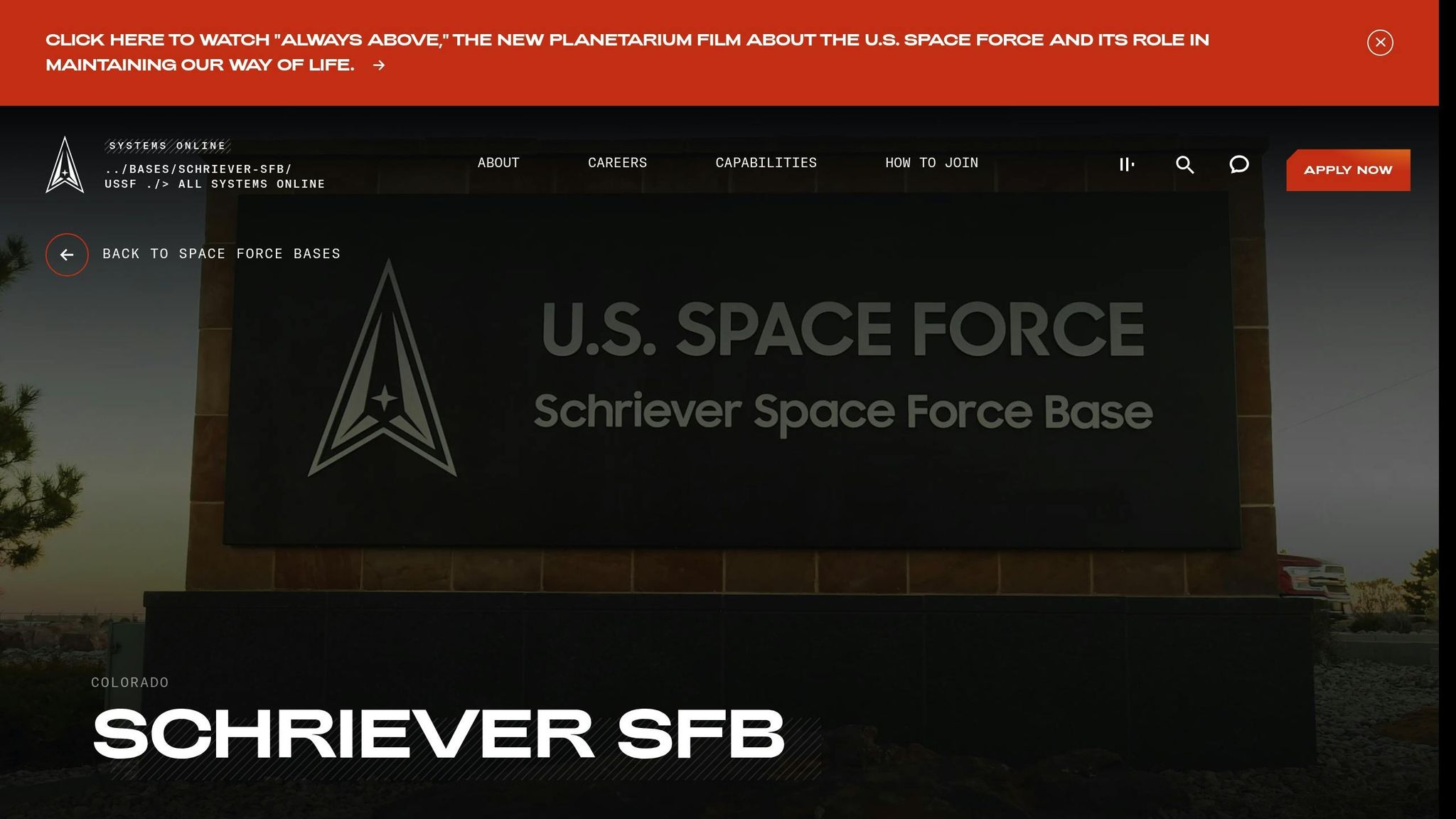
Schriever Space Force Base hosts Space Delta 6, often called the "Cyber Delta", which manages the $6.8 billion Satellite Control Network. By 2027, Schriever is set to add 250 new cybersecurity positions through Space Delta 15, further solidifying its role as a major player in Colorado Springs’ cybersecurity landscape. Contractors here focus on securing satellite communications and control systems, ensuring the safety and functionality of the military’s satellite infrastructure.
Cheyenne Mountain Space Force Station
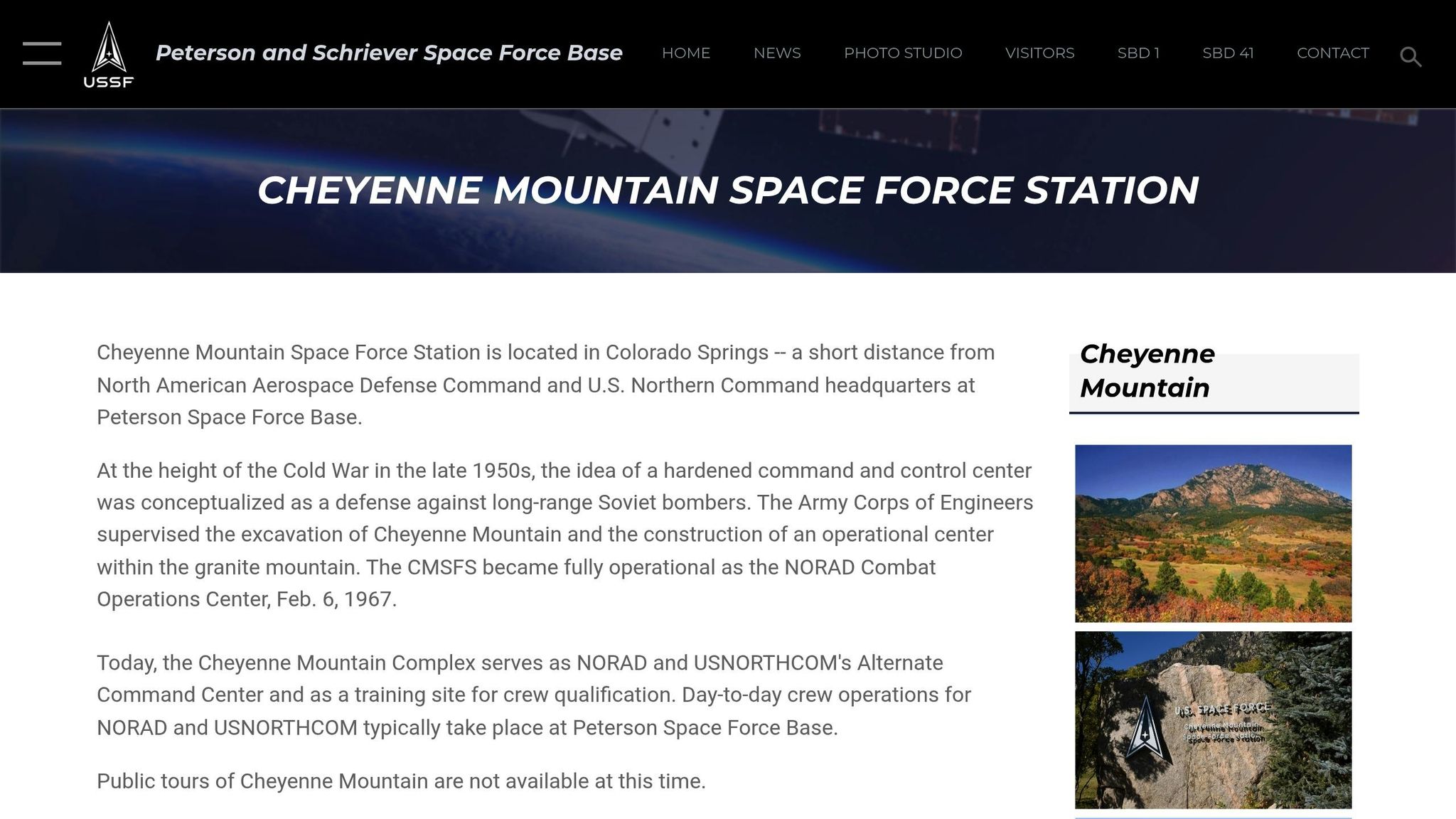
Cheyenne Mountain Space Force Station operates from its iconic underground facility and specializes in space-based intelligence and missile warning systems. Contractors supporting this station must have access to TALENT KEYHOLE (TK) compartments – such as BLUEFISH, IDITAROD, and KANDIK – and hold full-scope polygraph clearances. Their work involves advanced data analytics, signal processing, and cybersecurity measures for highly classified systems, ensuring the integrity of intelligence and missile warning operations.
Major Contractors and Hiring Activity
Colorado Springs is buzzing with activity as the Space Force contractor market continues to grow, driven by billion-dollar contracts and an urgent need for skilled professionals. With Space Force operating at 75% capacity – 1,024 of 1,370 positions filled – contractors are stepping in to fill critical capability gaps while the service builds its permanent workforce.
Top Companies Securing Space Force Contracts
Several major players are leading the charge in securing Space Force contracts and driving hiring efforts:
- Booz Allen Hamilton: With a $630 million, 7-year contract, Booz Allen Hamilton is ramping up cybersecurity hiring, particularly for professionals with TS/SCI clearances.
- Lockheed Martin: Expanding its footprint in Colorado Springs, Lockheed Martin is leveraging the $12 billion Space Enterprise Consortium (SpEC) Other Transaction Authority vehicle. Their focus includes next-generation satellite control systems and cybersecurity defense, creating demand for experienced cybersecurity experts.
- Omni Federal: A rising force, Omni Federal has secured multiple task orders under the DISA Encore III contract vehicle, focusing on designing and implementing cybersecurity architecture for Space Delta operations.
- CACI and SAIC: Both companies are deploying cybersecurity talent through the CIO-SP3 vehicle, further contributing to the growing demand for skilled professionals.
Job Market Activity and Hiring Speed
The job market for Space Force contractors in Colorado Springs is moving at a rapid pace. More than 200 contractor positions are posted each month, with regular job fairs featuring over 50 employers actively seeking cybersecurity talent. The use of Direct Hire Authority has significantly shortened hiring timelines, allowing qualified candidates to secure offers within just 8 weeks. This expedited process is crucial for addressing immediate operational needs while permanent positions are being filled.
Remote Work Options: Project Enigma
Project Enigma is reshaping the contractor landscape by introducing an $18 million classified remote work initiative. This program allows cleared professionals to handle critical cybersecurity tasks from approved remote locations, eliminating the need for a daily commute to secure government facilities. Designed for roles that don’t require constant onsite presence, Project Enigma offers greater flexibility and appeals to talent from high cost-of-living areas. Hybrid work arrangements, blending time in secure facilities with remote work opportunities, are also expanding the pool of available talent in Colorado Springs.
sbb-itb-bf7aa6b
Salaries, Living Costs, and Financial Analysis
For Space Force cybersecurity contractors based in Colorado Springs, the financial outlook is highly attractive. With strong salaries paired with manageable living costs, the city stands out as a prime location for these specialized roles. This financial snapshot complements the earlier discussion on job market dynamics.
Pay Rates by Security Clearance Level
In Colorado Springs, salary levels for cybersecurity contractors vary significantly based on security clearance. Higher clearance levels command sizable pay increases, reflecting the premium placed on accessing sensitive information. Here’s how the numbers break down:
| Clearance Level | Average Salary | Premium Over Secret | Premium Percentage |
|---|---|---|---|
| Secret | $93,748 | Baseline | – |
| TS/SCI | $131,907 | $38,159 | 40.6% |
| Full Scope Polygraph | $148,314 | $54,566 | 58.2% |
These premiums highlight the demand for professionals capable of handling classified data tied to space-based intelligence programs. For instance, Space Delta 6’s $6.8 billion Satellite Control Network has created a wealth of high-paying contractor roles. Many of these positions, especially those requiring TS/SCI clearance, focus on Defensive Cyber Operations for Space (DCO-S), safeguarding over 170 Department of Defense satellites.
Colorado Springs Living Expenses
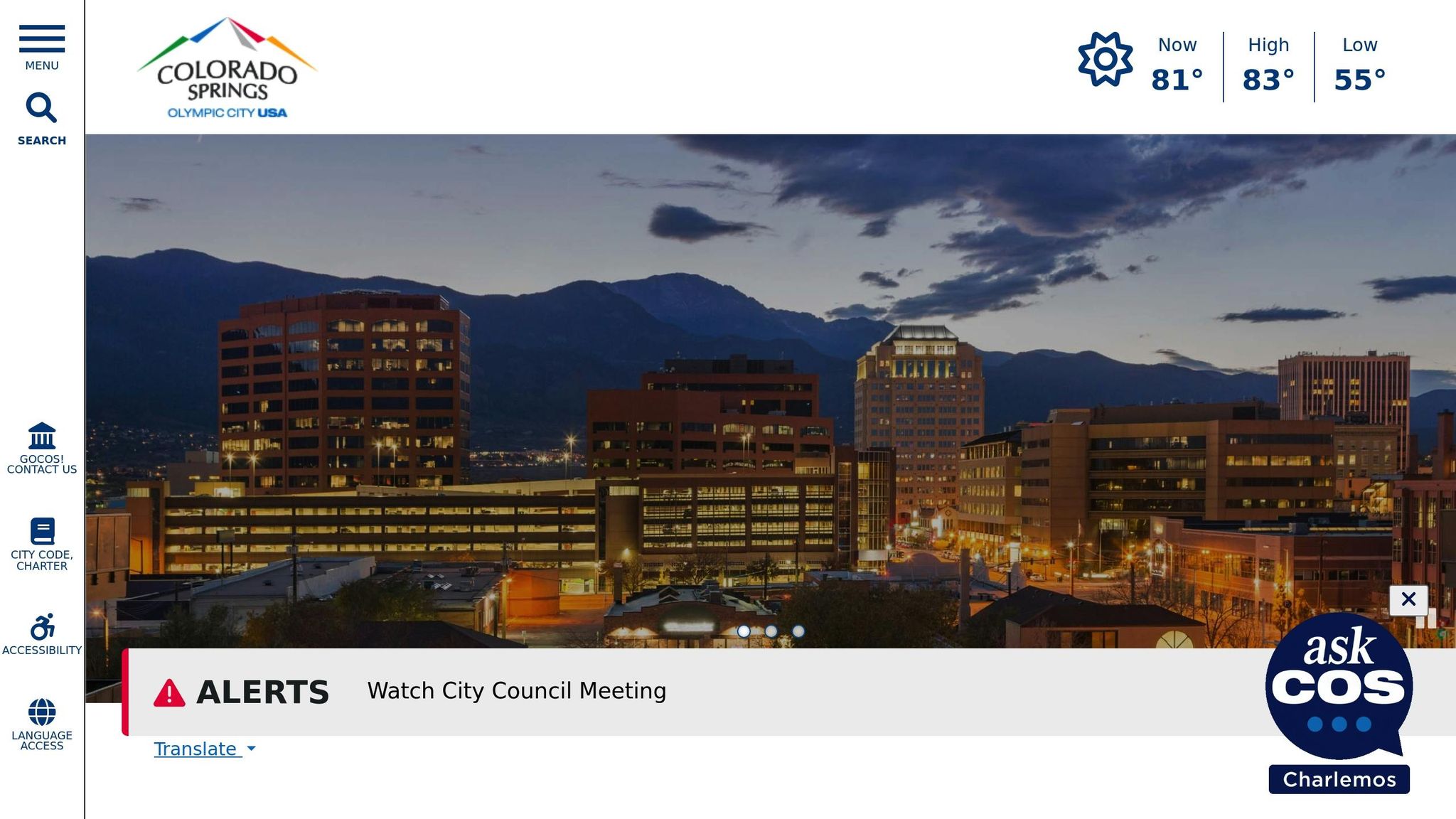
Beyond high salaries, Colorado Springs offers a cost of living advantage that makes it even more appealing. Housing costs are significantly lower than in coastal tech hubs, with median home prices ranging from $483,000 to $499,000. Rental prices are also affordable, averaging between $1,205 and $1,316 per month. Compared to major coastal cities, housing in Colorado Springs is roughly 70% cheaper.
Utility costs are another bright spot. Even with projections estimating monthly utility expenses to reach $334 by 2029, these costs remain well below national averages for cities of similar size. For professionals relocating from high-cost regions, the savings on housing and utilities alone can be substantial, while clearance premiums ensure financial stability.
Net Income After Taxes and Expenses
When it comes to take-home pay, Colorado Springs offers a favorable financial environment. Colorado’s state income tax rate is 4.4%, and the absence of local income taxes in the city further boosts net earnings. This tax structure, combined with lower living expenses, leaves contractors with a strong disposable income.
For example, a TS/SCI-cleared professional earning $131,907 annually can enjoy significant take-home pay even after accounting for state and federal taxes, housing, and utilities. For those holding a Full Scope Polygraph and earning $148,314, the financial benefits are even greater. The clearance premium more than compensates for any regional cost increases, ensuring a solid financial position.
With competitive salaries, reasonable living costs, and a growing market for cleared professionals, Colorado Springs provides an ideal setting for building wealth while advancing in the space cybersecurity field. The market’s growth, fueled by strategic contracts like Booz Allen’s $630 million commitment, suggests that these financial advantages are here to stay as demand for skilled talent continues to rise.
Contract Vehicles and Career Requirements
For Space Force cybersecurity contractors in Colorado Springs, understanding the contract landscape and keeping up with certification changes is essential for career growth. The move toward streamlined acquisition processes and updated professional standards is reshaping how contractors access high-value projects, fueling the rapid growth discussed earlier.
Primary Contract Vehicles
Several key contract vehicles shape the opportunities available to Space Force cybersecurity contractors, each offering unique pathways to significant projects. The Space Enterprise Consortium (SpEC) OTA is particularly noteworthy, with its $12 billion ceiling aimed at rapid prototyping. This Other Transaction Authority mechanism reduces bureaucracy, allowing faster contract awards and more flexible project structures.
Another major avenue is CIO-SP3, a government-wide acquisition contract that supports IT solutions, including cybersecurity services across federal agencies. This multi-award vehicle provides consistent opportunities for contractors working at Space Force installations like Peterson and Schriever. Similarly, DISA Encore III focuses on IT modernization for the Department of Defense, offering a $17.5 billion ceiling with a strong emphasis on cybersecurity and communications infrastructure.
The Hemisphere Program stands out for its focus on advanced technology research and development in space and cyber missions. Often involving classified work, this program requires higher clearance levels and supports specialized compartments like BLUEFISH, IDITAROD, and KANDIK, which are critical for space-based intelligence operations.
Recent contract awards highlight the scale of opportunities these vehicles create. For example, ITS, LLC, a Service-Disabled Veteran-Owned Small Business, secured funding for a $7 million expansion in Colorado Springs, adding 500 jobs in IT engineering and cybersecurity through these mechanisms.
On the hiring side, Direct Hire Authority has streamlined timelines for filling critical cyber roles, reducing the hiring process to as little as 8 weeks. This is especially advantageous for professionals with active TS/SCI clearances, enabling quicker transitions between projects.
As these contract vehicles drive growth, evolving certification standards are also reshaping contractor eligibility.
DoD 8140 Certification Changes
The transition from DoD 8570 to DoD 8140 is redefining how cybersecurity professionals qualify for Space Force contractor roles. By February 15, 2025, this new role-based framework will fully replace the older static certification list. Instead of broad categories, contractors must now align their certifications with specific job functions.
Under DoD 8140, certifications like CISSP, CISM, Security+, and CEH must directly map to roles such as Cyber Defense Analyst or Incident Responder. This shift impacts every stage of contractor employment, from hiring to contract compliance and career growth. For example, Space Delta 6’s management of the $6.8 billion Satellite Control Network at Schriever Space Force Base underscores the importance of having the right certifications aligned with critical infrastructure roles.
The new framework emphasizes continuous learning and skills validation, moving away from the previous "check the box" approach. For contractors working on Defensive Cyber Operations for Space, which safeguard over 170 DoD satellites, staying up-to-date with technical skills and certifications tailored to their responsibilities is now a must.
Professionals should consult the DoD 8140 work role matrix to see how their existing certifications align with their career goals. Those involved in classified programs or specialized compartments may need additional credentials beyond standard cybersecurity certifications. The role-based system also opens doors for specialization in cutting-edge areas like AI-driven defense systems or cyber threats unique to space operations.
Contract compliance under DoD 8140 is now more precise, as contracts specify exact certification requirements tied to work roles. While this raises the bar for entry, it also benefits qualified professionals by reducing competition from those lacking the necessary credentials. For instance, the Project Enigma initiative, with its $18 million investment in classified remote work capabilities, showcases how proper certification alignment can grant access to innovative roles while maintaining strict security standards.
This shift in certification requirements presents both challenges and opportunities. Contractors who proactively align their credentials with DoD 8140 will be better positioned to compete for the 200+ active contractor positions posted monthly in the Colorado Springs area. Combining the right certifications, active clearances, and an understanding of Space Force missions creates a strong edge in this fast-changing market.
Conclusion: Acting on Colorado Springs Opportunities
Colorado Springs is a hotspot for cleared cybersecurity professionals, presenting a wealth of career opportunities. With over 4,200 new aerospace roles and a $7 million expansion creating 500 additional jobs, the city’s growth is fueled by expanding Space Force missions, billion-dollar contracts, and a persistent demand for skilled talent[1].
Professionals with TS/SCI clearances are seeing impressive financial rewards, earning an average of $131,907 – 40.6% more than Secret-level roles. Those with polygraph qualifications can command even higher pay, averaging $148,314, which represents a 58.2% premium[2]. When paired with housing costs that are 70% lower than San Francisco and affordable rental options, these salaries significantly enhance take-home pay. Adding to this, a strong network of contractors ensures steady career growth.
Top firms like Booz Allen Hamilton, along with initiatives such as Project Enigma’s $18 million classified remote work program and the Space Enterprise Consortium’s $12 billion OTA, are driving rapid advancements in the field. The Direct Hire Authority further simplifies the process, cutting hiring timelines to just eight weeks.
Now is the time for cleared professionals to seize these opportunities. With the Department of Defense transitioning to DoD 8140 certification requirements by February 15, 2025, and over 200 contractor positions posted monthly alongside 50+ active job fairs, the urgency to act is clear.
Governor Polis highlights Colorado Springs’ strategic advantages, including its growing talent pool, collaborative business environment, and prime location, as critical factors drawing top cybersecurity talent and leading defense contractors[1].
Colorado Springs combines mission-critical roles, competitive salaries, lower living costs, and flexible work options, making it the ideal destination for your next career step.
FAQs
What qualifications and security clearances do you need for Space Force cybersecurity contractor roles in Colorado Springs?
To land a role as a Space Force cybersecurity contractor in Colorado Springs, being a U.S. citizen is a must, along with having or qualifying for a Top Secret/SCI clearance. Many of these positions require an active TS/SCI clearance, and some even prefer candidates with a full-scope polygraph.
Certifications such as CISSP, Security+, or CEH can give you a competitive edge. Additionally, having experience with space-based systems, satellite communications, and advanced cybersecurity techniques can be a big plus. These qualifications ensure you’re ready to tackle sensitive missions and contribute to this rapidly growing field.
What financial benefits does Colorado Springs offer cybersecurity professionals compared to other major tech hubs?
Colorado Springs stands out as a financially smart choice for cybersecurity professionals, especially when compared to tech powerhouses like San Francisco or New York. Although the cost of living here is about 2.1% above the national average, it’s still far more manageable than the soaring expenses in those major cities. For instance, the average home price ranges between $483,000 and $499,000, while monthly rent typically falls between $1,205 and $1,316 – a fraction of what you’d shell out in places like the Bay Area.
Now, combine that with competitive salaries, particularly for those holding a TS/SCI clearance, where the average annual pay hits $131,907, and you’ve got a recipe for financial comfort. Lower housing costs paired with strong earning potential mean professionals can save more and enjoy a better quality of life. With its affordability and the increasing demand for cybersecurity experts, Colorado Springs offers an attractive balance of career opportunities and financial stability.
What is Project Enigma, and how does it create remote work opportunities for Space Force cybersecurity contractors?
Project Enigma is a classified initiative with an $18 million budget, aimed at enabling secure remote work for Space Force cybersecurity contractors. Using advanced technologies, it ensures that professionals holding TS/SCI clearances can handle sensitive tasks from remote locations without jeopardizing security protocols.
This program marks a major shift in how work is approached, offering contractors more flexibility while maintaining strict security standards. By allowing experts to contribute to critical Space Force missions without relocating, it broadens the talent pool and makes it easier to attract and retain highly skilled professionals nationwide.
Related Blog Posts
- CIO-SP3 Cybersecurity Positions vs DISA Encore III – Which Vehicle Drives Your Career?
- TS/SCI Salary Premium – The Real Numbers Behind Your Security Clearance
- Cleared Cybersecurity Jobs by Location – DC vs Colorado Springs vs San Antonio
- Remote Cleared Cybersecurity Jobs – The Reality for TS/SCI Holders
Leave a Reply