• Skip to primary navigation
  • Skip to main content
Cleared Cyber Security Jobs | CyberSecJobs.com

Cleared Cyber Security Jobs | CyberSecJobs.com

Cleared Cyber Security Jobs

  • Home
  • Search Cleared Cyber Jobs
  • Job Fairs
  • Career Resources

Career Paths

Contract Recompete Job Security – Your 90-Day Survival Action Plan

CyberSecJobs Editorial · September 26, 2025 · Leave a Comment

Navigating contract recompetes can be stressful, especially for cleared cybersecurity professionals. If your employer loses the bid, you may need to either transition to the winning contractor or find a new job entirely. This process often brings challenges like clearance transfers, shifts in pay, and changing roles. However, the demand for cleared professionals remains high, giving you an edge in the job market.

Here’s a 90-day action plan to secure your career during a recompete:

  • Days 1-30: Assess your current position, gather essential documents (like clearance records and certifications), and research market demand for your skills.
  • Days 31-60: Update your resume and online profiles to highlight your expertise and clearance. Pursue certifications like Security+ or CISSP to boost your qualifications.
  • Days 61-90: Build your network through industry events and professional groups. Explore both internal and external job opportunities while preparing for interviews.

Contract Recompete Risks You Need to Know

When a government agency opens a previously awarded contract to competitive bidding instead of simply renewing it, this process is known as a contract recompete. For professionals, especially those in specialized fields, these recompetes can bring significant changes and uncertainties.

What Is a Contract Recompete?

A contract recompete occurs when the government seeks proposals from multiple companies for work that was previously handled under an existing contract. Instead of extending the current vendor’s agreement, agencies evaluate all submissions to determine the best fit moving forward. This competitive approach means there’s no guarantee the current contractor will continue in their role. Understanding this process is crucial for identifying career risks tied to these transitions.

Risks for Cleared Cybersecurity Professionals

For professionals with security clearances, recompetes can introduce some serious challenges. If the incumbent contractor loses the bid, employees might face delays in transferring their clearances or even changes to their roles. Adjustments to contract terms could also lead to shifts in pay, benefits, or job responsibilities. While the details vary from case to case, these potential changes can significantly impact your career path, making it essential to stay ahead of the curve.

Warning Signs to Watch For

Although every recompete process unfolds differently, certain clues may indicate that a contract is nearing its end. Pay attention to changes like altered internal communications, updates to project workflows, or increased discussions about contract terms. These could signal that a recompete is on the horizon. Staying informed about program updates and keeping an open line of communication with your management team can help you prepare for what’s ahead.

Phase 1: First 30 Days – Check Your Position and Get Ready

The first month sets the tone for navigating the uncertainties of a contract recompete. This is the time to assess where you stand, gather critical information, and prepare for any transitions that may come your way.

Check Your Current Status

Start by discussing the recompete timeline with your supervisor. Take note of any vague reassurances or shifts in project scope, budget, or long-term planning. If your contract’s end date is approaching and there’s no clear update on the recompete process, treat this as a signal to start exploring backup options. Once you’ve clarified your position, organize the necessary documents to back it up.

Collect Important Documents

After evaluating your situation, focus on gathering key paperwork. This includes recent performance reviews that highlight your contributions and achievements. Confirm your clearance status through the appropriate government systems, and save any official notifications that verify your clearance level and its validity dates.

Make sure to prioritize documents that prove your clearance and certifications, as these are often critical for cleared roles. Many positions have specific certification requirements, so having everything ready can speed up the application process.

If you anticipate needing a clearance transfer, locate your most recent SF-86 form and any supporting documents from your previous investigation. The SF-86 process, managed through the Electronic Questionnaires for Investigations Processing (e-QIP) system, requires detailed personal information. Having these records handy will save you time if updates or resubmissions are required. Once your documentation is in order, you can shift focus to analyzing the job market.

Research Market Demand

With your paperwork squared away, take a closer look at the job market. Start by evaluating the demand for your clearance level and skill set. Platforms like Cleared Cyber Security Jobs can help you identify salary ranges and geographic trends tied to your expertise and clearance.

Pay attention to the certifications and skills that appear most frequently in job postings. Spotting patterns in these qualifications can guide your professional development efforts in the next phases. Additionally, tracking the types and volume of job postings over the month will give you a clearer picture of where opportunities lie and help you refine your strategy for the remainder of your 90-day plan.

Phase 2: Days 31-60 – Improve Your Professional Profile

Now that your documents are in order, it’s time to focus on boosting your professional image. During this phase, your goal is to make yourself more appealing to potential employers by refining your resume, updating your online profiles, and earning certifications that strengthen your qualifications.

Update Your Cleared Resume

Your resume is a critical tool, and as a cleared professional, it needs to grab attention. Make your clearance status prominent in the summary section – mention if it’s inactive and include the reactivation date if applicable.

Highlight measurable achievements that showcase your impact. For instance, instead of saying "managed cybersecurity projects", explain how you implemented advanced security measures that reduced incidents or improved compliance. Federal contractors value results tied to compliance, risk mitigation, and operational improvements.

Tailor your technical skills to match current market demands, using terms that resonate in federal contracting. Keywords like "FISMA compliance", "ATO processes", "STIG implementation", and "continuous monitoring" can set you apart. If cloud security expertise is in high demand, ensure your experience with platforms like AWS, Azure, or Google Cloud Platform is clearly outlined. Similarly, highlight skills in areas like DevSecOps, threat hunting, or frameworks such as NIST and FedRAMP.

Avoid generic corporate buzzwords that don’t translate well in the government contracting world. Once your resume is polished, shift your attention to your online profiles to ensure they align with your updated resume.

Update Online Profiles

Your online presence, especially on LinkedIn, acts as your digital introduction to recruiters. For cleared professionals, balancing visibility with operational security is key. Avoid specifying clearance levels on public platforms; instead, use general terms like "U.S. Government cleared candidate" or "Department of Defense–eligible security clearance." Shift the focus to your cybersecurity expertise rather than the details of your clearance.

Complete every section of your LinkedIn profile to increase visibility. Use a headline that incorporates relevant cybersecurity terms, separated by vertical lines or emojis for clarity and professionalism. For example: "Cybersecurity Analyst | SOC | SIEM | Network Security | Threat Intelligence." This not only looks polished but also makes your profile easier to find.

In your summary section, write in the first person and focus on tangible accomplishments. Use bullet points for clarity and include industry-relevant keywords that recruiters search for – up to 50 skills like penetration testing, incident response, and risk assessment. A professional headshot can also boost profile views.

Don’t forget to update your Cleared Cyber Security Jobs profile at the same time. This platform is tailored for cleared professionals, allowing you to be more specific about your clearance status and federal experience. Ensure both profiles are consistent in showcasing your skills, experience, and career goals. Once your profiles are updated, it’s time to solidify your expertise with certifications.

Get In-Demand Certifications

Certifications are a powerful way to validate your skills and stand out in a competitive market. Many cleared cybersecurity roles require specific credentials, and earning them can give you an edge.

Start with Security+, which is a baseline requirement for most DoD 8570 positions. For more advanced roles, certifications like CISSP (Certified Information Systems Security Professional) can open doors to senior positions such as security architect or CISO. CISSP requires five years of experience across at least two domains, making it a strong choice for mid-career professionals. Check if your employer offers support like study time or exam reimbursements.

If you’re aiming for management roles, CISM (Certified Information Security Manager) is a great option. It focuses on governance, risk management, and program development, making it ideal for those transitioning from technical roles to leadership positions.

For cloud security, certifications like AWS Certified Security – Specialty or Microsoft Azure Security Engineer Associate are highly valuable. These credentials highlight your ability to secure cloud environments, a growing priority for federal agencies.

Plan your study time based on your experience and the complexity of the exam. Platforms like Cybrary offer training tailored for government roles, while boot camps provide intensive preparation. Choose certifications that align with your current role and career goals. For example, if you work in a SOC environment, certifications like GCIH (GIAC Certified Incident Handler) or GCFA (GIAC Certified Forensic Analyst) may be more relevant than management-focused options.

Keep track of your progress and update your resume and profiles as soon as you pass an exam. Even scheduling an exam date can show interviewers your dedication to professional growth.

sbb-itb-bf7aa6b

Phase 3: Days 61-90 – Build Networks and Find Opportunities

With your resume polished and certifications underway, the final 30 days are all about expanding your network and actively seeking opportunities. This phase is where you focus on building meaningful connections that can lead to your next role. Whether it’s through industry groups, attending events, or maintaining an active online presence, every effort counts.

Connect with Professional Networks

Start by tapping into industry-specific groups, both locally and online. Joining communities dedicated to cybersecurity professionals with clearance can be a game-changer. These spaces offer insights into job openings, trends, and professional growth opportunities. Don’t hesitate to reach out to former colleagues with a personalized message – they might provide referrals or share leads on potential roles.

Attend Cleared Cyber Security Jobs Events

Cleared Cyber Security Jobs

Job fairs tailored for cleared professionals are a direct line to hiring managers and recruiters. Organizations like Cleared Cyber Security Jobs host both virtual and in-person events, connecting you with employers who understand the clearance process. Do your homework beforehand – research the participating companies, explore their current job postings, and set up alerts on Cleared Cyber Security Jobs to stay updated. Be sure to test your tech setup, refine your elevator pitch, and follow up with personalized messages after the event to leave a lasting impression.

Explore Internal and External Roles

While networking externally, don’t overlook opportunities within your current organization. Internal transfers can provide a smoother transition and allow you to explore new projects or departments without starting from scratch. Check internal job boards and have conversations with your managers about potential roles.

For external roles, focus on direct-hire positions at government agencies or leading defense contractors. These roles often provide more stability compared to subcontractor positions. When applying, tailor your resume to emphasize your clearance status and technical expertise. Connecting with recruiters who specialize in cleared positions can also give you an edge. To stay organized, track your applications in a simple spreadsheet, which will help you follow up and manage your job search effectively. These steps will help you navigate uncertainties and secure a solid career path.

Getting Ready for Transition: Interview Prep and Backup Plans

After refining your profile and expanding your network, the next step is preparing for interviews and setting up a solid backup plan. As your 90-day action plan nears its conclusion, it’s important to be ready for a potential role change. By focusing on interview preparation, securing your financial stability, and understanding how security clearance transfers work, you’ll feel more confident and prepared, no matter how your contract recompete plays out. These steps build on the groundwork you’ve already laid, ensuring a smoother transition if a contract loss occurs.

Get Ready for Interviews

Interviewing as a cleared cybersecurity professional requires a unique approach. You’ll need to discuss your experience while avoiding any mention of classified details. Practice explaining your technical achievements using unclassified examples that highlight methodologies, frameworks, and processes you’ve mastered.

Expect questions about your experience with compliance frameworks like NIST, your strategies for incident response, and how you’ve addressed security challenges in past roles. Be ready to discuss your clearance level and relevant background early in the conversation, as these are often key factors for hiring managers.

When discussing contract transitions, it’s best to frame your experience in a positive light. You can explain that you’re proactively exploring new opportunities due to contract changes and emphasize your ability to adapt and plan ahead. Government contracting hiring managers are familiar with these transitions and appreciate honesty.

Prepare examples that showcase your contributions to cybersecurity efforts. Whether you’ve enhanced security measures, resolved major incidents, or implemented effective solutions, use the STAR method (Situation, Task, Action, Result) to structure your answers. This approach helps you clearly present your role and the measurable impact of your work.

Create a Backup Plan

While honing your interview skills, take steps to secure your financial stability in case of employment gaps. Start by calculating your monthly expenses and aim to save enough to cover three to six months of living costs. This financial cushion can reduce stress and give you the flexibility to negotiate better offers instead of rushing into the first available position.

Research current salary ranges for cleared professionals and account for potential relocation expenses. Remember, an active clearance often comes with a compensation premium compared to roles that don’t require one.

Temporary or contract work can be a great option during a transition. Many cleared professionals take on short-term contracts to keep their clearance active and maintain income while searching for a permanent role. This strategy also ensures your skills stay sharp.

Additionally, review your current employer’s severance policies and COBRA health insurance options. Knowing these details can help you plan your departure and manage healthcare coverage during any employment gap.

Learn About Clearance Transfers

Understanding how clearance transfers work is essential to maintaining your career momentum. Reciprocity allows new employers to accept your existing clearance without restarting the background investigation process [1]. However, the process isn’t always straightforward.

Before leaving your current position, request your clearance record from DISS or Scattered Castles and confirm its transferability with your security officer [1]. Make sure your background investigation is up to date, as older investigations (over 5–7 years) can cause delays [1].

Clearance transfers can take up to two months, though they are often completed more quickly [2]. Delays may occur due to agency-specific requirements, gaps in cleared employment exceeding two years, or system incompatibilities [1].

To avoid clearance lapses, try to minimize gaps between cleared roles. If a gap is unavoidable, consider part-time or temporary cleared work to keep your clearance active [3]. Stay in touch with your Facility Security Officer and update your personal information regularly to ensure a smooth transition [3].

Keep in mind that some government departments may not accept clearances from other departments, which could require you to undergo a new clearance process [2]. Research your target employers’ clearance policies and ask recruiters about their experience with transfers from your current agency or contractor. Keeping your clearance active ensures you’re ready to step into your next role without unnecessary delays.

Conclusion: Protecting Your Future in a Recompete Environment

Contract recompetes can be a recurring hurdle for cleared cybersecurity professionals, but with this 90-day action plan, you’re setting yourself up for success no matter the outcome. By documenting your efforts and refining your professional profile, you’re taking steps to ensure long-term career stability.

This three-phase plan emphasized critical actions: evaluating your current status, strengthening your professional profile, and broadening your network. Instead of passively waiting for contract announcements or decisions, you’ve taken charge of your career by preparing proactively and staying actively connected with your professional community.

A valuable tool in this process is Cleared Cyber Security Jobs, which links you to defense and government employers who understand the unique needs of cleared professionals. By creating a detailed profile showcasing your clearance level, skills, and experience, you gain access to tailored opportunities and can directly connect with employers through job fairs. The platform also offers career resources to keep you informed about security clearance policies and trends in the defense industry, so you’re always ready for what’s next.

The key to lasting success is maintaining the momentum you’ve built over these 90 days. Stay on top of industry developments, keep your certifications up to date, and nurture your professional relationships. The connections and systems you’ve developed will support you throughout your career, not just during transitions.

FAQs

What challenges do cleared cybersecurity professionals face during a contract recompete, and how can they address them?

Cleared cybersecurity professionals often encounter job instability and delays in security clearance processing during a contract recompete. These situations can create stress and uncertainty, especially when contract changes demand updated skills or certifications.

To tackle these challenges, it’s important to stay ahead. Regularly update your resume, keep your certifications current, and invest time in building a strong professional network. Networking can open doors to new opportunities and offer support during career shifts. Additionally, preparing for potential job searches and interviews in advance can make transitions more manageable if they become necessary.

How can I keep my security clearance active during a job transition caused by a contract recompete?

To keep your security clearance intact during a job transition, it’s crucial to stay within the two-year revalidation period. This means you need to either continue working in a role that requires clearance or ensure that any gap in employment falls within the permitted timeframe. If your personal circumstances change – like financial issues or legal matters – make sure to report these promptly to your employer or security officer to avoid any clearance-related complications.

Staying employed in a cleared role or reactivating your clearance within the two-year window ensures you maintain access to classified information. Taking a proactive approach to safeguarding your clearance status can make contract transitions much smoother.

How can I make my resume and online profiles stand out to employers in the cleared cybersecurity field?

To make your resume and online profiles stand out in the cleared cybersecurity field, focus on highlighting your security clearance, technical skills, and tangible achievements. Customize your resume for each job you apply to, aligning it with the specific requirements outlined in the job description. Be sure to emphasize certifications, relevant skills, and your ability to solve complex problems. Use clear, professional language, and ensure your resume is ATS-friendly by steering clear of graphics, overly decorative fonts, or keyword stuffing.

For your online profiles, keep them current and prominently display your clearance status, core skills, and recent accomplishments. Share concrete examples of your contributions, such as measurable results or metrics from previous roles. Additionally, connecting with others in the cleared cybersecurity community and participating in industry groups can help increase your visibility to potential employers.

Related Blog Posts

  • CIO-SP3 Cybersecurity Positions vs DISA Encore III – Which Vehicle Drives Your Career?

  • Remote Cleared Cybersecurity Jobs – The Reality for TS/SCI Holders
  • Space Force Cybersecurity Contractor Jobs – The Colorado Springs Gold Rush
  • CIO-SP3 Cybersecurity Positions vs DISA Encore III – Which Vehicle Drives Your Career?

Related Guides

  • TS/SCI Salary Premium: Real 2026 Numbers
  • Security Clearance Interview: What to Expect

Huntsville Cleared Defense Jobs – Alabama’s Hidden Cybersecurity Gem

CyberSecJobs Editorial · September 16, 2025 · Leave a Comment

Huntsville, Alabama, has become a key hub for security-cleared cybersecurity professionals, driven by its strong defense and aerospace sectors. The city’s defense industry employs over 70,000 people, contributing $6 billion annually to the local economy. Major projects like the Golden Dome missile defense program, with federal investments projected between $175 billion and $500 billion over the next two decades, are creating thousands of new jobs. Key employers such as Lockheed Martin, Northrop Grumman, and Booz Allen Hamilton are actively hiring for positions requiring security clearances, including roles like Cybersecurity Analysts and AI-Driven Security Specialists.

  • Key Agencies: Missile Defense Agency, NASA’s Marshall Space Flight Center, Space Development Agency.
  • Job Market: High demand for cleared professionals, offering competitive salaries and career growth.
  • Events: Networking opportunities include the Space & Missile Defense Symposium and AUSA Global Force Symposium.
  • Cost of Living: Affordable housing and lower expenses make Huntsville attractive for professionals.

The combination of job opportunities, competitive pay, and a lower cost of living makes Huntsville a standout destination for security-cleared cybersecurity careers.

Huntsville’s Defense and Cybersecurity Industry

Main Industry Drivers

Huntsville’s defense sector is a key force behind the demand for cybersecurity professionals with active security clearances. The region’s focus on defense and aerospace creates a unique environment where national security priorities directly translate into career opportunities for skilled cybersecurity experts.

At the heart of Huntsville’s cybersecurity efforts is Redstone Arsenal, a major installation home to numerous tenant organizations. Its role in advancing defense technologies highlights the need for strong cybersecurity measures to protect sensitive operations.

The Missile Defense Agency, operating alongside Redstone Arsenal, is tasked with developing and deploying cutting-edge defense systems. This mission requires top-tier cybersecurity expertise to safeguard intricate networks and maintain the integrity of critical defense operations.

Adding to this dynamic is NASA’s Marshall Space Flight Center, which faces its own set of cybersecurity challenges. Safeguarding mission-critical systems tied to space transportation and exploration demands tailored strategies and highly skilled professionals.

Together, these agencies make Huntsville a growing hub for cleared cybersecurity careers. Their presence attracts defense contractors and tech firms to the area, driving demand for professionals with active security clearances and shaping the local job market.

Cleared Job Market Data

Huntsville’s job market for cleared cybersecurity roles offers a variety of opportunities for qualified professionals. Due to the sensitive nature of projects tied to national security, employers prioritize candidates with active security clearances. To attract and retain such talent, companies often provide competitive salary premiums and endure longer recruitment timelines, as the vetting process for cleared positions is thorough and time-intensive.

Pat Sullivan with Cyber Huntsville, Cyber Camp Director

Major Employers Hiring Cleared Cybersecurity Workers

Huntsville is home to a variety of organizations actively seeking cleared cybersecurity professionals. From large defense contractors to specialized firms, these employers play a central role in the growing demand for talent in this field.

Defense Contractors and Government Agencies

Several prominent defense and government organizations are hiring cleared cybersecurity experts:

  • Lockheed Martin: A leading defense contractor offering numerous opportunities for cleared cybersecurity professionals [1][2].
  • Northrop Grumman: Another major player in the defense sector with a strong presence in Huntsville [1][2].
  • Booz Allen Hamilton: Focuses on government projects and regularly recruits cleared cybersecurity talent [1].
  • KBR: Supports defense-related initiatives and actively seeks cleared cybersecurity professionals [2].
  • Federal Bureau of Investigation (FBI): Frequently hires cleared cybersecurity experts for critical roles [1].
  • Defense Counterintelligence and Security Agency (DCSA): Recruits professionals with security clearances to strengthen national security [1][2].
  • MITRE: A research and development organization offering positions for cleared cybersecurity specialists [1].
  • CGI: Provides cybersecurity solutions for federal agencies and hires cleared professionals to support their efforts [1].

Smaller Cybersecurity Companies

In addition to the big names, smaller firms also contribute to Huntsville’s dynamic job market for cleared cybersecurity workers:

  • Aegis Aerospace Inc.: Offers roles for cleared professionals in cybersecurity [1][2].
  • Innovim: Focuses on government-related projects and recruits cleared cybersecurity talent [1][2].
  • Akima, LLC: Provides opportunities for cleared professionals in the region [2].
  • Ampersand Solutions Group: A smaller firm with openings for cleared cybersecurity experts [2].
  • The Aerospace Corporation: Maintains a local presence and hires cleared professionals for specialized roles [2].

Together, these employers – both large and small – create a thriving ecosystem for security-cleared cybersecurity professionals in Huntsville.

[lead_capture_popup]

Common Cleared Cybersecurity Jobs and Requirements

Huntsville’s defense sector is a hub for cleared cybersecurity roles, combining technical expertise with strict security clearance mandates. The city’s cybersecurity market offers a range of specialized positions tailored to meet the needs of national security.

Most Requested Positions

Cybersecurity Analysts are tasked with monitoring networks, investigating security incidents, and implementing protective measures within defense systems. To qualify, candidates usually need a bachelor’s degree in cybersecurity, computer science, or a related field, along with certifications like Security+ or CISSP.

Senior Cyber Defense Specialists play a critical role in shaping and updating policies aligned with NIST 800-53 standards. They manage vulnerability assessments and produce advisory reports to guide security strategies [4]. This position demands deep expertise in security frameworks and the ability to translate technical requirements into actionable policies.

AI-Driven Security Specialists are increasingly sought after as organizations adopt artificial intelligence to bolster their cybersecurity efforts [3]. These professionals automate threat detection, apply machine learning for advanced analytics, and ensure robust data protection.

Each of these roles requires the appropriate level of security clearance, which is essential for accessing sensitive information.

Security Clearance Levels Explained

Security clearance levels are a cornerstone of eligibility for cleared jobs and influence career progression in the defense sector.

Secret Clearance is the starting point for many cleared positions. It allows access to information that, if disclosed, could harm national security. Obtaining this clearance typically involves a 6–12 month process, including a 10-year background check.

Top Secret Clearance is necessary for roles that handle more sensitive data and responsibilities. The process for this clearance is more thorough, often taking 12–18 months and covering roughly 15 years of personal history. Many senior and specialized technical roles require this level of clearance.

Top Secret/Sensitive Compartmented Information (TS/SCI) is one of the highest clearance levels available in Huntsville. It grants access to highly specific intelligence programs and compartmented materials beyond standard Top Secret information. The investigation for TS/SCI clearance can take more than 18 months and may include polygraph testing for certain positions.

Full Scope Polygraph is often required for TS/SCI roles tied to counterintelligence or highly sensitive defense projects. These positions involve rigorous clearance procedures and carry significant responsibilities.

Having an active clearance not only opens doors to these opportunities but also provides a competitive edge in the job market.

sbb-itb-bf7aa6b

Huntsville Salary Data and Pay Trends

Huntsville stands out as a city with attractive salary opportunities, especially in the cleared cybersecurity sector. With a strong demand for cleared professionals, competitive pay, and a lower cost of living, the area offers a unique blend of financial and lifestyle advantages. Employers in Huntsville structure salaries to reflect both the level of responsibility and the effort required to obtain advanced security clearances.

Pay Ranges by Job and Clearance Level

For those starting out, entry-level positions with basic security clearances provide competitive starting salaries. As professionals gain experience and achieve higher clearance levels, their earning potential grows significantly. Mid-level and senior roles command higher pay due to increased responsibilities and the need for advanced clearances. Specialized positions, such as technical leadership and managerial roles, often come with some of the most lucrative compensation packages in the area.

Cost of Living Benefits

One of Huntsville’s biggest draws is its lower cost of living compared to other tech and defense hubs. Affordable housing, shorter commutes, and favorable local tax rates all contribute to a higher effective income for professionals. These factors not only improve the overall quality of life but also stretch purchasing power further than in high-cost urban areas. This combination of cost-of-living benefits and competitive pay makes Huntsville an appealing option for cybersecurity professionals.

With its strong salary offerings and economic advantages, Huntsville is an excellent choice for cleared cybersecurity professionals looking for fulfilling and financially rewarding career paths.

Professional Growth and Networking in Huntsville

Huntsville isn’t just about competitive salaries and an affordable cost of living – it’s also a hotspot for professional growth and networking, especially for cleared cybersecurity professionals. The city’s thriving defense and tech sectors create a dynamic environment where professionals can connect with industry leaders and government agencies.

Local Cybersecurity Groups and Events

As a major defense hub, Huntsville offers exclusive networking opportunities that are hard to match. The city hosts several prominent defense and aerospace symposiums, which are perfect venues for cleared professionals to expand their networks. One standout event is the annual Space & Missile Defense Symposium, a key forum that has been running for 28 years and draws over 7,000 attendees. This event brings together representatives from the Missile Defense Agency, Space and Missile Defense Command, and leading space and missile defense companies.

The symposium includes multiple networking sessions and an exhibit hall featuring over 300 exhibitors, giving attendees the chance to engage directly with decision-makers and technical experts.

“Huntsville’s active innovation ecosystem directly enhances the event experience, providing unique networking and collaboration opportunities.” – SMD Symposium [5]

Another major event is the AUSA Global Force Symposium, scheduled for March 25–27, 2025. This symposium attracts over 6,000 participants, including Army leaders, defense contractors, and government agencies.

“Forge Industry Connections: Build relationships with OEMs, prime contractors, tiered suppliers, and government agencies.” – Defense Advancement [6]

In addition to these events, local hubs like Redstone Arsenal play a pivotal role in fostering connections. With organizations like NASA, the U.S. Army, and the Missile Defense Agency based there, it’s a central point for ongoing collaboration within the defense and cybersecurity communities.

Training and Certification Resources

Huntsville’s commitment to professional development goes beyond networking events. Local employers and defense contractors actively invest in training and certifications to keep cybersecurity professionals ahead of evolving threats. These programs are tailored to cleared professionals, ensuring they have the tools to excel in their roles.

The city’s innovation ecosystem, anchored by Redstone Arsenal and Cummings Research Park, offers access to workshops, seminars, and specialized training sessions. These resources help professionals earn advanced certifications like CISSP and CISM, along with the government-specific credentials required for cleared positions.

For those looking to explore career advancement opportunities, the Chamber of Commerce of Huntsville/Madison County provides a detailed directory of Aerospace/Defense & Government Contractors [7]. This resource is invaluable for identifying organizations that prioritize employee development.

Professional growth in Huntsville isn’t limited to formal training programs. The city’s concentrated defense community creates a rich environment for mentorship and knowledge sharing. These informal opportunities to learn from experienced professionals can be just as impactful as structured training, paving the way for long-term career success.

How to Find Cleared Jobs in Huntsville

Landing a cleared cybersecurity job in Huntsville requires a mix of online tools and local networking. With its strong defense industry presence, the city offers unique opportunities for professionals holding security clearances. By combining specialized job boards, career fairs, and local recruiting agencies, you can significantly boost your chances of connecting with the right employers.

Job Boards and Recruiters for Cleared Positions

One key resource is Cleared Cyber Security Jobs, a job board tailored specifically for security-cleared professionals. This veteran-founded platform allows you to search for jobs based on clearance levels, job types, and locations like Huntsville. Features like free resume uploads, job alerts, and access to specialized job fairs make it a go-to for cleared candidates. Plus, the platform focuses on direct-hire opportunities with defense contractors and government agencies, simplifying the application process.

In-person networking also plays a big role. For example, ClearedJobs.Net is hosting an “All Clearances Cleared Job Fair” on September 24, 2025, at the Von Braun Center in Huntsville, AL, from 11:00 AM to 3:00 PM [8]. Another event, the Huntsville Hybrid Career Fair – Engineering, Technology, & Security Clearance, will take place on December 2, 2025, from 1:00 PM to 4:00 PM CST at The Westin Huntsville. This fair targets professionals with security clearances, requiring U.S. citizenship and at least two years of engineering or technology experience [9].

Local recruitment agencies are also valuable resources. Agencies like Rocket City Recruiters and Huntsville Staffing Solutions specialize in filling roles in aerospace, defense, technology, and engineering – fields where security clearances are often a must [10].

Resume and Interview Advice

Once you’ve identified opportunities, tailoring your application is critical. Start by highlighting your technical skills and clearance details at the top of your resume. Be sure to include your clearance level and expiration date, as these are often key factors in the initial screening process. When discussing past projects, focus on cleared work but avoid sharing sensitive information.

Make your resume stand out by showcasing measurable achievements rather than listing generic responsibilities. For instance, instead of saying you handled network security, mention specific improvements or outcomes you achieved. If you have experience with government contracts, highlight it – employers value familiarity with compliance standards and security protocols.

For interviews, be prepared for questions about both your technical expertise and your ability to meet security requirements. If the role involves interaction with government officials or military personnel, practice simplifying technical concepts for non-technical audiences.

Virtual interviews are becoming more common, especially during hybrid career fairs or remote hiring processes. Ensure your setup is professional and glitch-free to leave a strong impression [9].

When discussing your clearance in interviews, confirm your level and any polygraph requirements, but steer clear of sharing classified details. Instead, focus on the skills and methodologies you’ve developed while working in secure environments.

Conclusion: Huntsville’s Future for Cleared Cybersecurity Careers

Huntsville has solidified its reputation as a prime location for cleared cybersecurity professionals. With a mix of established defense contractors, growing cybersecurity firms, and an appealing quality of life, the city offers a unique environment for building a fulfilling career. These elements create a foundation for continued growth in the region.

The demand for cleared cybersecurity talent remains strong, driven by the expansion of major defense companies in the area. Huntsville caters to a wide range of professionals, from recent graduates to those transitioning into cybersecurity roles. Local job fairs and networking events provide direct access to hiring managers, while opportunities are available for individuals with clearance levels ranging from Secret to Top Secret/SCI, making it an inclusive space for candidates with varied backgrounds.

Adding to these advantages, Huntsville’s cybersecurity ecosystem is maturing rapidly. New training programs, growing professional communities, and certification opportunities make this the ideal time to consider a move. Resources like Cleared Cyber Security Jobs make it easier to connect with employers and navigate the specific requirements of the cleared job market.

Huntsville isn’t just another city with job openings – it’s a place where cleared cybersecurity professionals can thrive, both professionally and personally. As the defense sector evolves and cybersecurity challenges grow more intricate, Huntsville’s role as a standout destination in the cleared cybersecurity field is set to expand even further.

FAQs

What makes Huntsville a great choice for cleared cybersecurity professionals?

Huntsville stands out as a tech hub by offering a mix of exciting career opportunities, strong salaries, and affordable living. If you’re a security-cleared professional, you’ll find plenty of roles in high demand, especially with top government and defense contractors. Plus, many of these positions come with perks like comprehensive health insurance, paid time off, and programs designed to help you advance your career.

Salaries in Huntsville are impressive, too. Entry-level roles average around $110,000, while experienced professionals can earn up to $148,000. Combine that with the city’s lower cost of living compared to other major tech markets, and your paycheck stretches further. This makes Huntsville an appealing place for building a stable, long-term career in cybersecurity.

What is the process for getting a security clearance for cybersecurity jobs in Huntsville, and what clearance levels are most common?

To land a cybersecurity role in Huntsville’s defense sector, you’ll need to go through the security clearance process, which involves a thorough background check conducted by the federal government. This process requires submitting an application, filling out a detailed security questionnaire, and undergoing reviews of your criminal history, financial records, and any foreign connections. For certain positions, you might also face interviews or additional verifications.

The most commonly required clearance levels for these jobs are Confidential, Secret, and Top Secret. High-security roles typically demand a Top Secret clearance. With Huntsville’s defense industry on the rise, it’s a promising area for professionals with the right clearances to build their careers.

What professional growth and networking opportunities are available for cybersecurity experts in Huntsville’s defense sector?

Huntsville is a hotspot for cybersecurity professionals looking to advance their careers and build meaningful connections. One standout event is the annual National Cyber Summit, which offers a mix of educational sessions and workforce development programs specifically designed for the defense and cybersecurity sectors.

Beyond events, Huntsville boasts a vibrant professional community backed by workforce training programs and partnerships between local businesses and government agencies. Frequent cybersecurity conferences and industry gatherings create excellent opportunities to network, sharpen your skills, and stay on top of emerging trends. If you’re aiming to grow in defense cybersecurity, Huntsville provides the perfect environment to thrive.

Related Blog Posts

  • Cleared Cybersecurity Jobs by Location – DC vs Colorado Springs vs San Antonio
  • Remote Cleared Cybersecurity Jobs – The Reality for TS/SCI Holders
  • Space Force Cybersecurity Contractor Jobs – The Colorado Springs Gold Rush
  • NSA San Antonio Cybersecurity Jobs – The Best Kept Secret in Cleared Cyber

Related Guides

  • TS/SCI Salary Premium: Real 2026 Numbers
  • Security Clearance Interview: What to Expect

NSA San Antonio Cybersecurity Jobs – The Best Kept Secret in Cleared Cyber

CyberSecJobs Editorial · September 11, 2025 · Leave a Comment

San Antonio is quietly becoming a top destination for cleared cybersecurity professionals. Home to the NSA Texas Cryptologic Center, this growing hub offers high-paying roles, a lower cost of living, and tax benefits that outshine traditional markets like Washington, D.C. Here’s why San Antonio deserves your attention:

  • NSA Texas Cryptologic Center: A 633,000-square-foot facility employing 3,000+ experts in signals intelligence and network security.
  • High Clearance Demand: 65% of local cybersecurity roles require Top Secret/SCI or higher clearances, leading to higher salaries.
  • Affordable Living: A $120,000 salary in San Antonio feels like $186,600 in D.C., thanks to lower housing costs and no state income tax.
  • Job Opportunities: Over 400 cybersecurity roles are open, supported by major defense contracts totaling billions of dollars.
  • Future Growth: Plans to relocate the 16th Air Force Cyber Headquarters to Port San Antonio could add up to 20,000 jobs.

San Antonio combines career stability, financial perks, and a thriving cybersecurity ecosystem, making it a top choice for cleared professionals.

NSA Texas Cryptologic Center: Core Operations and Impact

Facility Size and Employee Count

The NSA Texas Cryptologic Center stands as a vital hub for intelligence work in the United States. Housed in a vast facility and employing over 3,000 specialists, it brings together a wealth of cybersecurity expertise. These professionals cover a wide range of disciplines, including signals intelligence analysis and network security, creating a concentrated pool of knowledge and skills.

Primary Mission and Daily Operations

This center functions as a foreign signals intelligence facility, dedicated to intercepting and analyzing overseas communications. Operating around the clock under the NSA/CSS Threat Operations Center, its work directly shapes national cybersecurity strategies. The center’s continuous efforts also strengthen partnerships with leading industry players, ensuring a robust approach to securing critical information.

Defense Contractors and Port San Antonio

Port San Antonio

The NSA Texas Cryptologic Center is at the heart of a thriving network of defense contractors. Companies like CACI International Inc play a key role by providing specialized services, such as "Network Defense and Security Analyst" positions [1][2]. Similarly, Dezign Concepts offers technical and logistical support to bolster the center’s operations. This collaborative ecosystem allows security-cleared professionals to tackle classified projects while adhering to strict operational security standards.

San Antonio Cleared Cybersecurity Job Market Overview

Available Job Openings

San Antonio, bolstered by the presence of NSA Texas, has become a hotspot for cleared cybersecurity professionals. Currently, there are over 410 cybersecurity job openings on Indeed and more than 388 positions listed on LinkedIn. Notably, about 65% of these roles require Top Secret/SCI or higher clearances, which creates a natural filter for applicants. This exclusivity not only limits competition but also drives up compensation levels.

Unlike other regions where Secret clearance roles dominate, San Antonio leans heavily toward professionals with advanced clearances. This focus translates into lucrative opportunities for those who meet the requirements. Defense contractors in the area consistently hire to support classified projects, ensuring stable, long-term career prospects for cleared professionals. These opportunities are fueled by a strong defense contracting presence, which underpins much of the city’s cybersecurity job market.

Major Defense Contractors and Contract Values

San Antonio’s cybersecurity sector thrives on major government contracts, which provide both job security and growth potential. For example, CACI International is managing a $2.7 billion NSA contract focusing on network defense and advanced threat analysis. Similarly, Booz Allen Hamilton supports homeland security cyber operations under a $421 million DHS cybersecurity contract, with a contract ceiling of $1.2 billion.

The larger defense contracting ecosystem in San Antonio is equally impressive. Since 2000, $55.4 billion in contracts have been awarded to 2,657 contractors. This significant volume of work ensures a mix of large-scale and niche roles, catering to professionals with varying levels of technical expertise and career aspirations.

Required Certifications and DoD Compliance

The demand for cleared cybersecurity professionals in San Antonio is tightly linked to DoD 8570/8140 compliance, which mandates specific certifications for different roles. For entry-level positions requiring a Security+ certification, salaries start at $89,658. For Top Secret/SCI roles, compensation ranges from $118,979 to $121,692, while positions requiring TS/SCI with polygraph clearances can command salaries of $160,000 or more.

Specialized areas, such as Enterprise IT as a Service (EITaaS) operations at Lackland Air Force Base, highlight the market’s focus on advanced skills. These roles often require both high-level clearances and technical certifications, reflecting the stringent standards and expertise demanded in San Antonio’s cybersecurity landscape.

Cost of Living Benefits and Salary Comparison

Salary Value Across Different Markets

Earning $120,000 in San Antonio offers buying power equivalent to approximately $186,600 in Washington, D.C., representing about a 55% boost in effective income, according to the Salary.com calculator for 2025. This difference highlights how far your money can stretch in San Antonio, significantly improving overall living standards.

Housing Costs and Tax Savings

San Antonio’s affordability goes beyond just increased purchasing power. Housing is far more budget-friendly, with median home prices around $297,000 compared to a steep $770,566 in the D.C. metro area, based on data from Motley Fool and RentCafe as of 2025. On top of that, Texas has no state income tax, which can save individuals anywhere from $5,280 to $12,900 annually, depending on income levels, according to the Tax Foundation. These factors combined can drastically reduce living expenses for professionals relocating to the area.

Combined Annual Financial Benefits

The financial advantages of living in San Antonio don’t stop at housing and taxes. When you factor in increased purchasing power, reduced housing costs, and the lack of state income tax, the overall savings add up quickly. These benefits not only improve day-to-day financial flexibility but also support long-term goals like wealth building and retirement planning. For cybersecurity professionals, especially those working in San Antonio’s thriving defense contracting sector, these perks make the city an attractive option. Dual-income households stand to gain even more, amplifying the financial rewards and making San Antonio a standout choice for those in high-demand, technical roles.

High-Demand Skills and Salary Premiums

Most Requested Certifications and Technical Skills

In San Antonio’s competitive cybersecurity job market, having the right certifications and technical skills can open doors to higher salaries and better career prospects. For instance, certifications like CISSP are highly valued, with Cybersecurity Architects earning an average of $165,284 per year [3]. On top of that, foundational credentials such as CompTIA Security+ and expertise in cloud platforms like AWS, Azure, and Google Cloud are listed as requirements in about 55% of local job postings [3]. These skills not only enhance your professional knowledge but also qualify you for high-clearance positions that come with attractive pay.

High-Clearance Positions and Pay Rates

Specialized roles like Penetration Tester and Cybersecurity Manager offer average salaries of $132,489 and $119,931, respectively [3]. These numbers highlight how advanced certifications can significantly boost earning potential.

To prepare for these certifications, training programs are available, such as CISSP training for $2,240 through Certstaffix and CompTIA Cybersecurity training for $2,675 via NetCom Learning [3]. Investing in these programs can be a smart move for those aiming to secure premium roles in cybersecurity.

sbb-itb-bf7aa6b

Future Growth Drivers for San Antonio Cybersecurity

16th Air Force Cyber Headquarters Move

San Antonio’s cybersecurity scene is on the brink of a major transformation. The Air Force is considering a $1 billion proposal to relocate its 16th Air Force Cyber Headquarters from Joint Base San Antonio-Lackland to Port San Antonio [5][6]. This move could reshape the city’s role in cybersecurity and defense.

The 16th Air Force, which employs 4,840 personnel locally, is the Air Force’s hub for information warfare. Its work spans intelligence, surveillance, reconnaissance, cyber operations, and electromagnetic warfare [4][5][6].

Port San Antonio’s proposal leans on an intergovernmental support agreement (IGSA), a strategy that could save the military around $1 billion and cut the project timeline in half compared to traditional military construction [4][5][6].

"This is a victory for this community, the surrounding community, this inner-city community that, for years, has supported Kelly Air Force Base, Port San Antonio and Lackland Air Force Base." – Rep. Phil Cortez, D-San Antonio [4]

If approved, the relocation could bring an estimated 18,000 to 20,000 jobs to the area. The Air Force is expected to finalize its facility requirements within three months [4][5][6]. Beyond military infrastructure, this initiative is also expected to fuel academic and civic advancements, strengthening the region’s cybersecurity ecosystem.

UTSA Programs

San Antonio’s academic institutions are stepping up to meet the growing demand for cybersecurity talent. The University of Texas at San Antonio (UTSA) has secured a triple NSA CAE designation in Cyber Defense, Operations, and Research, solidifying its status as a leader in cybersecurity education. This recognition underscores UTSA’s ability to produce highly skilled professionals while driving research that benefits local defense contractors.

Texas lawmakers are also working to position the state as a cybersecurity hub, with a particular focus on supporting the 16th Air Force’s operations [4]. This political push, combined with UTSA’s strong academic foundation, sets the stage for long-term growth in the cleared cybersecurity workforce.

UTSA’s programs are designed to prepare students for real-world demands. Graduates often leave with certifications like Security+, which reduces training costs for contractors and speeds up hiring for cleared positions. This alignment between education and industry needs ensures a steady pipeline of job-ready professionals.

Port San Antonio Growth and InCyber Forum

Port San Antonio is playing a pivotal role in the region’s cybersecurity evolution. Already home to over 80 cyber employers, the Port has become a hub for cleared cybersecurity operations. Hosting the InCyber Forum USA further cements San Antonio’s status as an international player in the cyber sector, drawing interest and investment from both domestic and global partners.

The Port’s facilities include multiple Sensitive Compartmented Information Facilities (SCIFs), which are essential for classified operations. This makes the campus an attractive option for defense contractors looking to expand their cleared operations without the hefty costs of building new secure facilities.

Boeing‘s modernization efforts at the Port are another example of cross-sector collaboration, blending traditional defense expertise with cutting-edge cybersecurity solutions [5][6]. This synergy positions San Antonio to win contracts that require both fields of expertise.

Looking ahead, the Port’s development plan for the proposed 16th Air Force campus, estimated at $1.2 billion to $1.4 billion, includes space for additional contractors. This ensures that the growth in military cyber operations translates into tangible opportunities for cybersecurity professionals. The project could reach its schematic design phase within 18 months at a projected cost of $14 million, showcasing its feasibility and clear timeline [4].

Ex-NSA hacker tells us how to get into hacking! (2022 Edition)

Why NSA San Antonio Cybersecurity Jobs Offer Hidden Value

NSA San Antonio cybersecurity roles offer more than just competitive salaries and benefits – they present a unique chance for career growth and financial stability that often flies under the radar. The real opportunity lies in the market’s undervaluation, creating a golden window for professionals with advanced clearances to get ahead.

Relocating to San Antonio can lead to immediate financial perks. With clearance-based salaries, no state income tax, and significantly lower housing costs, professionals can build wealth faster than in many other cleared job markets. This financial edge is often overlooked, giving early movers a distinct advantage.

San Antonio also stands out for its career stability. The city boasts a thriving contractor ecosystem and over 410 cybersecurity openings requiring advanced clearances. Unlike larger, oversaturated markets, San Antonio offers a dynamic yet less crowded environment. The NSA Texas Cryptologic Center fosters a strong professional community while retaining a collaborative and approachable atmosphere.

For those who act early, the market conditions are ideal. The combination of concentrated classified operations and reduced competition for top talent creates opportunities for rapid career advancement. Unlike traditional cleared markets, where competition is fierce, San Antonio provides room to grow, specialize, and excel.

Beyond the financial and professional benefits, San Antonio offers a rare work-life balance without compromising career potential. This balance not only supports long-term career sustainability but also makes it easier to build meaningful professional connections in a welcoming environment.

All these factors combine to position NSA San Antonio cybersecurity jobs as a hidden gem in the cleared job market – a place where professionals can achieve both career success and personal fulfillment in a rapidly growing field.

FAQs

Why is San Antonio a great choice for cleared cybersecurity professionals compared to Washington, D.C.?

San Antonio is a standout choice for cleared cybersecurity professionals, offering a blend of affordability and career opportunities that’s hard to beat. For starters, the cost of living is significantly lower compared to major hubs like Washington, D.C. The median home price in San Antonio is just $297,000, while in D.C., it soars to $770,566. Combine that with no state income tax, and salaries in San Antonio translate to 41% more purchasing power – a major perk for professionals looking to maximize their earnings.

Beyond affordability, San Antonio boasts a strong cybersecurity landscape. The city is home to the NSA Texas Cryptologic Center, a massive 633,000-square-foot facility employing over 3,000 people. On top of that, there’s a thriving network of more than 80 cyber employers and a growing demand for cleared professionals. With its mix of defense contractors and cybersecurity firms, San Antonio is carving out its place as a prime destination for those seeking both career growth and a reasonable cost of living.

How does the NSA Texas Cryptologic Center shape cybersecurity job opportunities in San Antonio?

The NSA Texas Cryptologic Center has become a cornerstone of San Antonio’s cybersecurity job market. Housing over 3,000 employees within its massive 633,000-square-foot facility, it has turned the city into a key location for signals intelligence and defense operations. This, in turn, has drawn a vibrant network of defense contractors and cybersecurity companies, opening up plenty of opportunities for professionals with security clearances.

San Antonio stands out for offering competitive salaries, particularly for individuals with high-level clearances such as TS/SCI or TS/SCI + polygraph. Beyond the paychecks, the city provides a significant cost-of-living advantage. For example, a $120,000 salary in San Antonio delivers the same purchasing power as $186,600 in Washington, D.C. Add to this the absence of state income tax and a lower median home price, and San Antonio becomes an attractive option for professionals seeking a combination of career advancement and financial stability.

What financial advantages does San Antonio offer for cybersecurity professionals, considering salaries and cost of living?

San Antonio offers incredible financial perks for cybersecurity professionals, blending attractive salaries with a more affordable lifestyle. For those starting out in roles requiring a Secret clearance, the average salary is around $89,658. If you hold a TS/SCI clearance, you can expect to earn between $118,979 and $121,692, while TS/SCI+poly positions can bring in upwards of $160,000. At the same time, housing costs in the city remain very reasonable, with the median home price sitting at approximately $297,000 – a stark contrast to Washington, D.C.’s median of $770,566. To put it into perspective, a $120,000 salary in San Antonio provides the same purchasing power as $186,600 in D.C.

Another big advantage? Texas doesn’t impose a state income tax. This means professionals save between $5,280 and $12,900 annually compared to those working in other major cleared job markets. With these financial benefits and San Antonio’s affordability, cybersecurity professionals can enjoy a better quality of life and more room in their budgets for the things that matter most.

Related Blog Posts

  • CIO-SP3 Cybersecurity Positions vs DISA Encore III – Which Vehicle Drives Your Career?
  • Cleared Cybersecurity Jobs by Location – DC vs Colorado Springs vs San Antonio
  • Remote Cleared Cybersecurity Jobs – The Reality for TS/SCI Holders
  • Space Force Cybersecurity Contractor Jobs – The Colorado Springs Gold Rush

Related Guides

  • TS/SCI Salary Premium: Real 2026 Numbers
  • Security Clearance Interview: What to Expect

Space Force Cybersecurity Contractor Jobs – The Colorado Springs Gold Rush

CyberSecJobs Editorial · September 9, 2025 · Leave a Comment

Colorado Springs is rapidly becoming a top destination for Space Force cybersecurity contractor jobs. With over 4,200 aerospace roles added in the past two years and salaries averaging $135,000 annually, the city offers lucrative opportunities for professionals with security clearances. Key highlights include:

  • High Demand: The Space Force operates at 75% capacity, creating openings for contractors, especially in cybersecurity roles.
  • Top Salaries: TS/SCI-cleared professionals earn $131,907 on average, with full-scope polygraph holders earning up to $148,314.
  • Affordable Living: Median home prices range from $483,000 to $499,000, and rents average $1,205 to $1,316 – far cheaper than coastal cities.
  • Major Investments: Companies like Booz Allen and ITS, LLC are expanding, with contracts worth hundreds of millions driving job growth.
  • Flexible Work: Initiatives like Project Enigma allow classified remote work, broadening opportunities for professionals nationwide.

With streamlined hiring processes and evolving certification requirements under DoD 8140, now is the time to explore these roles. Colorado Springs combines competitive pay, affordable living, and career growth in the space cybersecurity sector.

The United States Space Force Approach to Cybersecurity | SCS 2020

United States Space Force

Space Force Installations Creating Contractor Jobs

Peterson, Schriever, and Cheyenne Mountain are at the center of Space Force’s cybersecurity efforts in Colorado Springs. These key installations play a critical role in missions like satellite operations and space-based intelligence, all of which depend on robust cybersecurity measures to protect essential space assets. Together, they highlight the growing need for skilled cybersecurity contractors to support these vital operations.

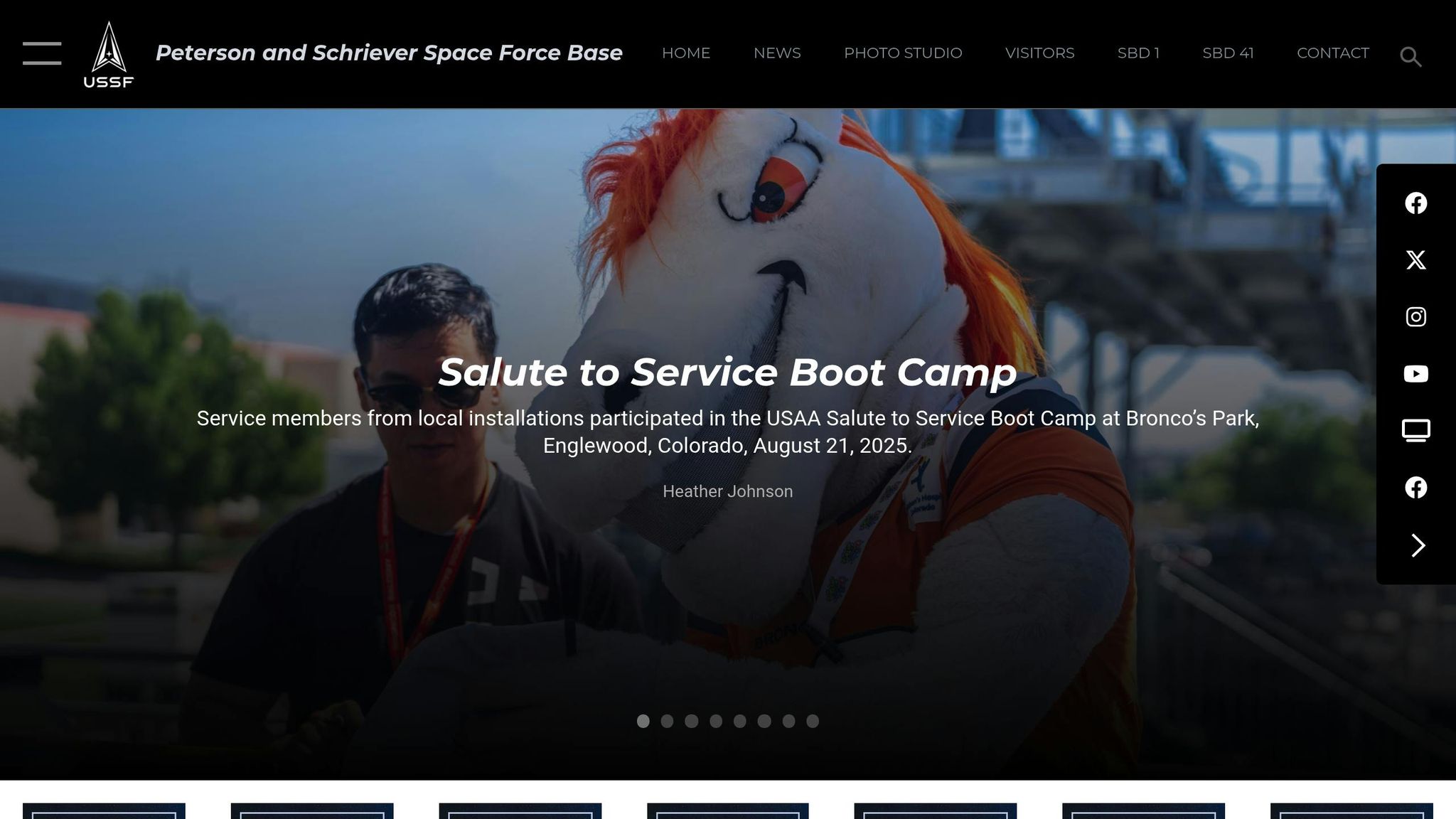
Peterson Space Force Base

Peterson Space Force Base

Peterson Space Force Base is home to Space Operations Command, which oversees critical assets and manages defensive cyber operations that are integral to Space Force’s mission. Contractors working here must have TS/SCI clearances to contribute to programs like Defensive Cyber Operations for Space (DCO-S). This program alone safeguards over 170 Department of Defense satellites. The work involves handling classified networks and specialized compartmented access, positioning Peterson as a key hub for cybersecurity expertise.

Schriever Space Force Base

Schriever Space Force Base

Schriever Space Force Base hosts Space Delta 6, often called the "Cyber Delta", which manages the $6.8 billion Satellite Control Network. By 2027, Schriever is set to add 250 new cybersecurity positions through Space Delta 15, further solidifying its role as a major player in Colorado Springs’ cybersecurity landscape. Contractors here focus on securing satellite communications and control systems, ensuring the safety and functionality of the military’s satellite infrastructure.

Cheyenne Mountain Space Force Station

Cheyenne Mountain Space Force Station

Cheyenne Mountain Space Force Station operates from its iconic underground facility and specializes in space-based intelligence and missile warning systems. Contractors supporting this station must have access to TALENT KEYHOLE (TK) compartments – such as BLUEFISH, IDITAROD, and KANDIK – and hold full-scope polygraph clearances. Their work involves advanced data analytics, signal processing, and cybersecurity measures for highly classified systems, ensuring the integrity of intelligence and missile warning operations.

Major Contractors and Hiring Activity

Colorado Springs is buzzing with activity as the Space Force contractor market continues to grow, driven by billion-dollar contracts and an urgent need for skilled professionals. With Space Force operating at 75% capacity – 1,024 of 1,370 positions filled – contractors are stepping in to fill critical capability gaps while the service builds its permanent workforce.

Top Companies Securing Space Force Contracts

Several major players are leading the charge in securing Space Force contracts and driving hiring efforts:

  • Booz Allen Hamilton: With a $630 million, 7-year contract, Booz Allen Hamilton is ramping up cybersecurity hiring, particularly for professionals with TS/SCI clearances.
  • Lockheed Martin: Expanding its footprint in Colorado Springs, Lockheed Martin is leveraging the $12 billion Space Enterprise Consortium (SpEC) Other Transaction Authority vehicle. Their focus includes next-generation satellite control systems and cybersecurity defense, creating demand for experienced cybersecurity experts.
  • Omni Federal: A rising force, Omni Federal has secured multiple task orders under the DISA Encore III contract vehicle, focusing on designing and implementing cybersecurity architecture for Space Delta operations.
  • CACI and SAIC: Both companies are deploying cybersecurity talent through the CIO-SP3 vehicle, further contributing to the growing demand for skilled professionals.

Job Market Activity and Hiring Speed

The job market for Space Force contractors in Colorado Springs is moving at a rapid pace. More than 200 contractor positions are posted each month, with regular job fairs featuring over 50 employers actively seeking cybersecurity talent. The use of Direct Hire Authority has significantly shortened hiring timelines, allowing qualified candidates to secure offers within just 8 weeks. This expedited process is crucial for addressing immediate operational needs while permanent positions are being filled.

Remote Work Options: Project Enigma

Project Enigma is reshaping the contractor landscape by introducing an $18 million classified remote work initiative. This program allows cleared professionals to handle critical cybersecurity tasks from approved remote locations, eliminating the need for a daily commute to secure government facilities. Designed for roles that don’t require constant onsite presence, Project Enigma offers greater flexibility and appeals to talent from high cost-of-living areas. Hybrid work arrangements, blending time in secure facilities with remote work opportunities, are also expanding the pool of available talent in Colorado Springs.

sbb-itb-bf7aa6b

Salaries, Living Costs, and Financial Analysis

For Space Force cybersecurity contractors based in Colorado Springs, the financial outlook is highly attractive. With strong salaries paired with manageable living costs, the city stands out as a prime location for these specialized roles. This financial snapshot complements the earlier discussion on job market dynamics.

Pay Rates by Security Clearance Level

In Colorado Springs, salary levels for cybersecurity contractors vary significantly based on security clearance. Higher clearance levels command sizable pay increases, reflecting the premium placed on accessing sensitive information. Here’s how the numbers break down:

Clearance Level Average Salary Premium Over Secret Premium Percentage
Secret $93,748 Baseline –
TS/SCI $131,907 $38,159 40.6%
Full Scope Polygraph $148,314 $54,566 58.2%

These premiums highlight the demand for professionals capable of handling classified data tied to space-based intelligence programs. For instance, Space Delta 6’s $6.8 billion Satellite Control Network has created a wealth of high-paying contractor roles. Many of these positions, especially those requiring TS/SCI clearance, focus on Defensive Cyber Operations for Space (DCO-S), safeguarding over 170 Department of Defense satellites.

Colorado Springs Living Expenses

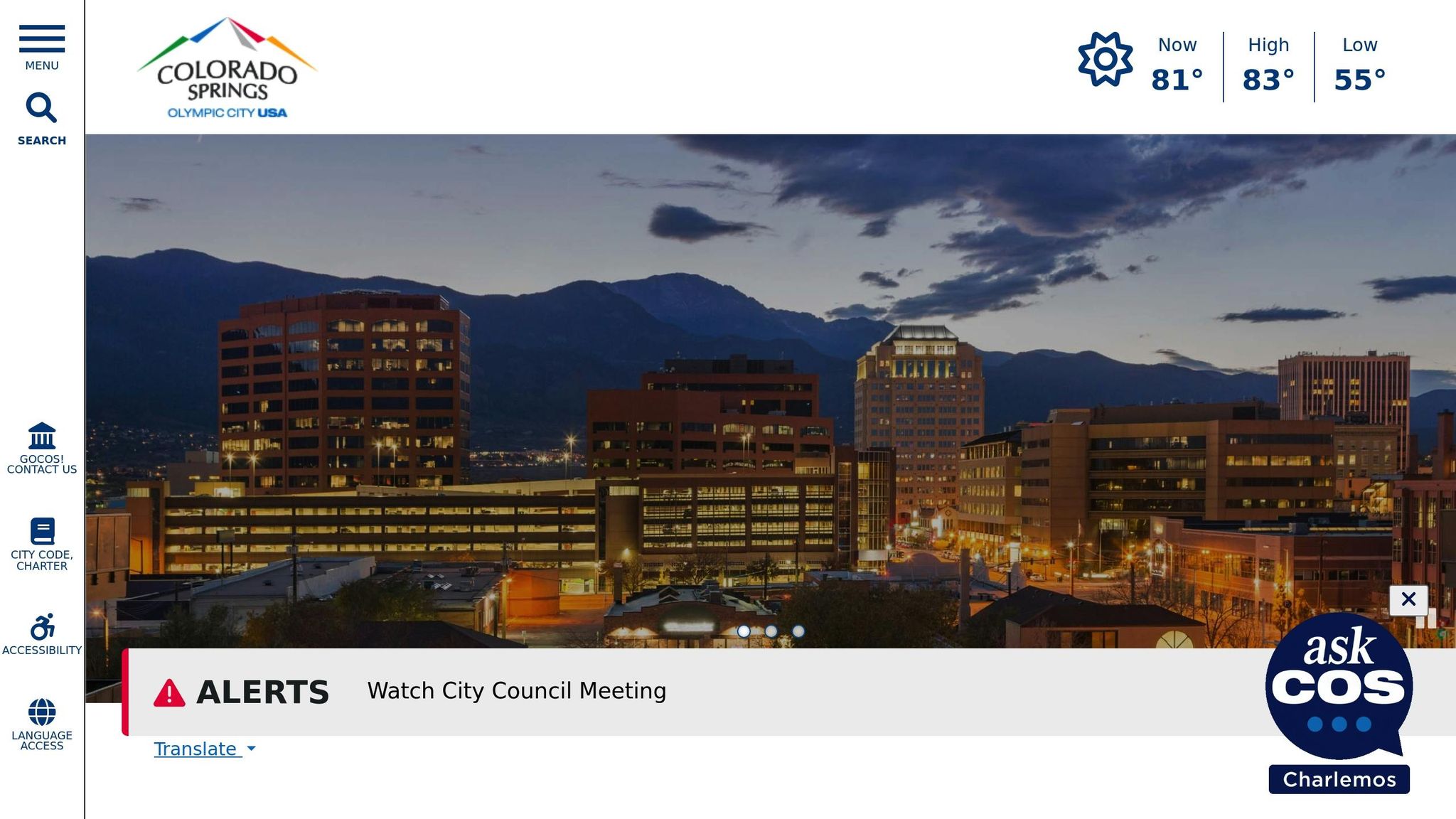
Colorado Springs

Beyond high salaries, Colorado Springs offers a cost of living advantage that makes it even more appealing. Housing costs are significantly lower than in coastal tech hubs, with median home prices ranging from $483,000 to $499,000. Rental prices are also affordable, averaging between $1,205 and $1,316 per month. Compared to major coastal cities, housing in Colorado Springs is roughly 70% cheaper.

Utility costs are another bright spot. Even with projections estimating monthly utility expenses to reach $334 by 2029, these costs remain well below national averages for cities of similar size. For professionals relocating from high-cost regions, the savings on housing and utilities alone can be substantial, while clearance premiums ensure financial stability.

Net Income After Taxes and Expenses

When it comes to take-home pay, Colorado Springs offers a favorable financial environment. Colorado’s state income tax rate is 4.4%, and the absence of local income taxes in the city further boosts net earnings. This tax structure, combined with lower living expenses, leaves contractors with a strong disposable income.

For example, a TS/SCI-cleared professional earning $131,907 annually can enjoy significant take-home pay even after accounting for state and federal taxes, housing, and utilities. For those holding a Full Scope Polygraph and earning $148,314, the financial benefits are even greater. The clearance premium more than compensates for any regional cost increases, ensuring a solid financial position.

With competitive salaries, reasonable living costs, and a growing market for cleared professionals, Colorado Springs provides an ideal setting for building wealth while advancing in the space cybersecurity field. The market’s growth, fueled by strategic contracts like Booz Allen’s $630 million commitment, suggests that these financial advantages are here to stay as demand for skilled talent continues to rise.

Contract Vehicles and Career Requirements

For Space Force cybersecurity contractors in Colorado Springs, understanding the contract landscape and keeping up with certification changes is essential for career growth. The move toward streamlined acquisition processes and updated professional standards is reshaping how contractors access high-value projects, fueling the rapid growth discussed earlier.

Primary Contract Vehicles

Several key contract vehicles shape the opportunities available to Space Force cybersecurity contractors, each offering unique pathways to significant projects. The Space Enterprise Consortium (SpEC) OTA is particularly noteworthy, with its $12 billion ceiling aimed at rapid prototyping. This Other Transaction Authority mechanism reduces bureaucracy, allowing faster contract awards and more flexible project structures.

Another major avenue is CIO-SP3, a government-wide acquisition contract that supports IT solutions, including cybersecurity services across federal agencies. This multi-award vehicle provides consistent opportunities for contractors working at Space Force installations like Peterson and Schriever. Similarly, DISA Encore III focuses on IT modernization for the Department of Defense, offering a $17.5 billion ceiling with a strong emphasis on cybersecurity and communications infrastructure.

The Hemisphere Program stands out for its focus on advanced technology research and development in space and cyber missions. Often involving classified work, this program requires higher clearance levels and supports specialized compartments like BLUEFISH, IDITAROD, and KANDIK, which are critical for space-based intelligence operations.

Recent contract awards highlight the scale of opportunities these vehicles create. For example, ITS, LLC, a Service-Disabled Veteran-Owned Small Business, secured funding for a $7 million expansion in Colorado Springs, adding 500 jobs in IT engineering and cybersecurity through these mechanisms.

On the hiring side, Direct Hire Authority has streamlined timelines for filling critical cyber roles, reducing the hiring process to as little as 8 weeks. This is especially advantageous for professionals with active TS/SCI clearances, enabling quicker transitions between projects.

As these contract vehicles drive growth, evolving certification standards are also reshaping contractor eligibility.

DoD 8140 Certification Changes

The transition from DoD 8570 to DoD 8140 is redefining how cybersecurity professionals qualify for Space Force contractor roles. By February 15, 2025, this new role-based framework will fully replace the older static certification list. Instead of broad categories, contractors must now align their certifications with specific job functions.

Under DoD 8140, certifications like CISSP, CISM, Security+, and CEH must directly map to roles such as Cyber Defense Analyst or Incident Responder. This shift impacts every stage of contractor employment, from hiring to contract compliance and career growth. For example, Space Delta 6’s management of the $6.8 billion Satellite Control Network at Schriever Space Force Base underscores the importance of having the right certifications aligned with critical infrastructure roles.

The new framework emphasizes continuous learning and skills validation, moving away from the previous "check the box" approach. For contractors working on Defensive Cyber Operations for Space, which safeguard over 170 DoD satellites, staying up-to-date with technical skills and certifications tailored to their responsibilities is now a must.

Professionals should consult the DoD 8140 work role matrix to see how their existing certifications align with their career goals. Those involved in classified programs or specialized compartments may need additional credentials beyond standard cybersecurity certifications. The role-based system also opens doors for specialization in cutting-edge areas like AI-driven defense systems or cyber threats unique to space operations.

Contract compliance under DoD 8140 is now more precise, as contracts specify exact certification requirements tied to work roles. While this raises the bar for entry, it also benefits qualified professionals by reducing competition from those lacking the necessary credentials. For instance, the Project Enigma initiative, with its $18 million investment in classified remote work capabilities, showcases how proper certification alignment can grant access to innovative roles while maintaining strict security standards.

This shift in certification requirements presents both challenges and opportunities. Contractors who proactively align their credentials with DoD 8140 will be better positioned to compete for the 200+ active contractor positions posted monthly in the Colorado Springs area. Combining the right certifications, active clearances, and an understanding of Space Force missions creates a strong edge in this fast-changing market.

Conclusion: Acting on Colorado Springs Opportunities

Colorado Springs is a hotspot for cleared cybersecurity professionals, presenting a wealth of career opportunities. With over 4,200 new aerospace roles and a $7 million expansion creating 500 additional jobs, the city’s growth is fueled by expanding Space Force missions, billion-dollar contracts, and a persistent demand for skilled talent[1].

Professionals with TS/SCI clearances are seeing impressive financial rewards, earning an average of $131,907 – 40.6% more than Secret-level roles. Those with polygraph qualifications can command even higher pay, averaging $148,314, which represents a 58.2% premium[2]. When paired with housing costs that are 70% lower than San Francisco and affordable rental options, these salaries significantly enhance take-home pay. Adding to this, a strong network of contractors ensures steady career growth.

Top firms like Booz Allen Hamilton, along with initiatives such as Project Enigma’s $18 million classified remote work program and the Space Enterprise Consortium’s $12 billion OTA, are driving rapid advancements in the field. The Direct Hire Authority further simplifies the process, cutting hiring timelines to just eight weeks.

Now is the time for cleared professionals to seize these opportunities. With the Department of Defense transitioning to DoD 8140 certification requirements by February 15, 2025, and over 200 contractor positions posted monthly alongside 50+ active job fairs, the urgency to act is clear.

Governor Polis highlights Colorado Springs’ strategic advantages, including its growing talent pool, collaborative business environment, and prime location, as critical factors drawing top cybersecurity talent and leading defense contractors[1].

Colorado Springs combines mission-critical roles, competitive salaries, lower living costs, and flexible work options, making it the ideal destination for your next career step.

FAQs

What qualifications and security clearances do you need for Space Force cybersecurity contractor roles in Colorado Springs?

To land a role as a Space Force cybersecurity contractor in Colorado Springs, being a U.S. citizen is a must, along with having or qualifying for a Top Secret/SCI clearance. Many of these positions require an active TS/SCI clearance, and some even prefer candidates with a full-scope polygraph.

Certifications such as CISSP, Security+, or CEH can give you a competitive edge. Additionally, having experience with space-based systems, satellite communications, and advanced cybersecurity techniques can be a big plus. These qualifications ensure you’re ready to tackle sensitive missions and contribute to this rapidly growing field.

What financial benefits does Colorado Springs offer cybersecurity professionals compared to other major tech hubs?

Colorado Springs stands out as a financially smart choice for cybersecurity professionals, especially when compared to tech powerhouses like San Francisco or New York. Although the cost of living here is about 2.1% above the national average, it’s still far more manageable than the soaring expenses in those major cities. For instance, the average home price ranges between $483,000 and $499,000, while monthly rent typically falls between $1,205 and $1,316 – a fraction of what you’d shell out in places like the Bay Area.

Now, combine that with competitive salaries, particularly for those holding a TS/SCI clearance, where the average annual pay hits $131,907, and you’ve got a recipe for financial comfort. Lower housing costs paired with strong earning potential mean professionals can save more and enjoy a better quality of life. With its affordability and the increasing demand for cybersecurity experts, Colorado Springs offers an attractive balance of career opportunities and financial stability.

What is Project Enigma, and how does it create remote work opportunities for Space Force cybersecurity contractors?

Project Enigma is a classified initiative with an $18 million budget, aimed at enabling secure remote work for Space Force cybersecurity contractors. Using advanced technologies, it ensures that professionals holding TS/SCI clearances can handle sensitive tasks from remote locations without jeopardizing security protocols.

This program marks a major shift in how work is approached, offering contractors more flexibility while maintaining strict security standards. By allowing experts to contribute to critical Space Force missions without relocating, it broadens the talent pool and makes it easier to attract and retain highly skilled professionals nationwide.

Related Blog Posts

  • CIO-SP3 Cybersecurity Positions vs DISA Encore III – Which Vehicle Drives Your Career?
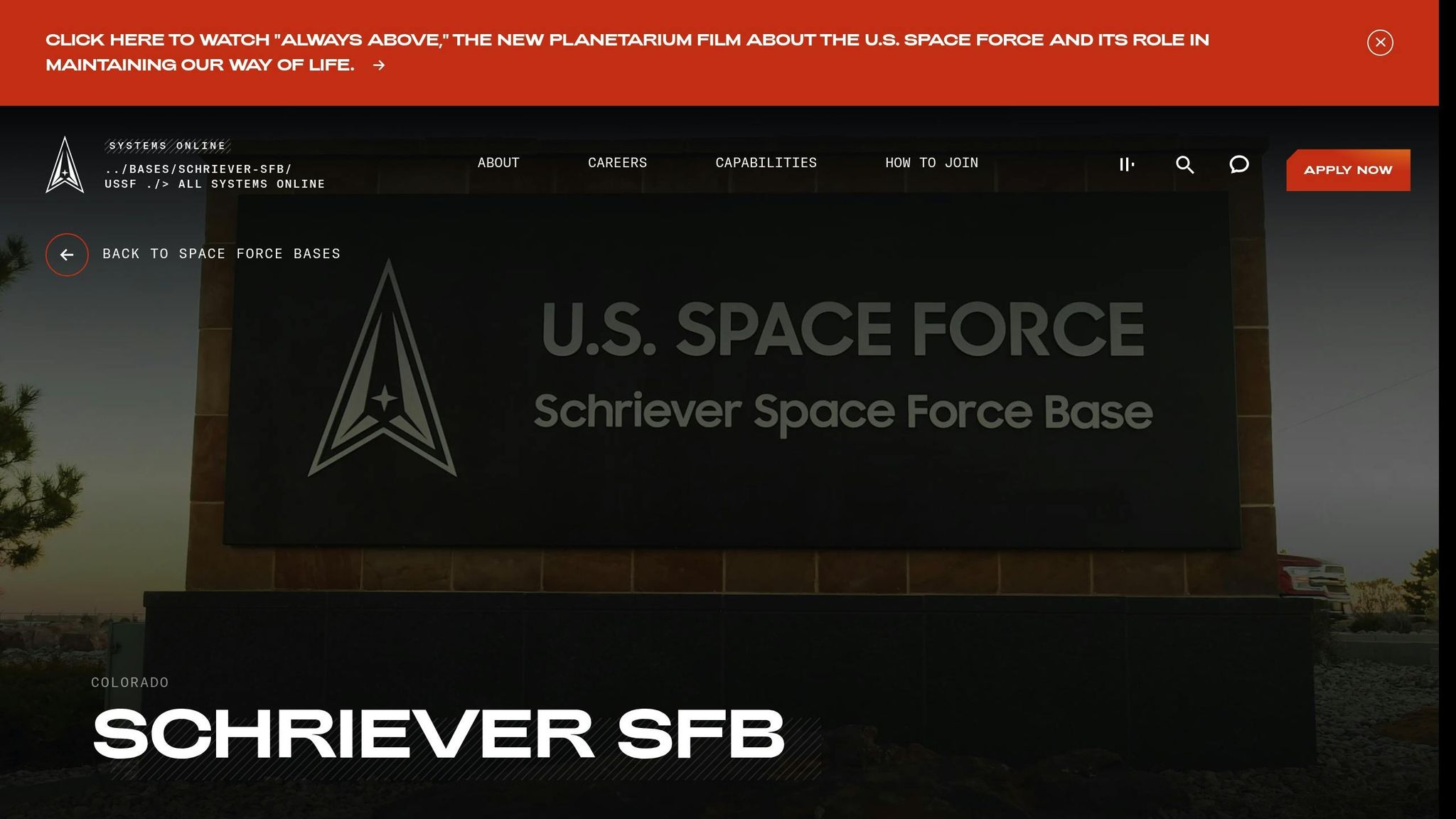
  • TS/SCI Salary Premium – The Real Numbers Behind Your Security Clearance
  • Cleared Cybersecurity Jobs by Location – DC vs Colorado Springs vs San Antonio
  • Remote Cleared Cybersecurity Jobs – The Reality for TS/SCI Holders

Related Guides

  • TS/SCI Salary Premium: Real 2026 Numbers
  • Security Clearance Interview: What to Expect

Cleared Cybersecurity Jobs by Location – DC vs Colorado Springs vs San Antonio

CyberSecJobs Editorial · September 2, 2025 · Leave a Comment

Looking for the best city for cleared cybersecurity jobs? Here’s what you need to know:

  • San Antonio offers the highest purchasing power, with $7,067 in monthly disposable income, zero state income tax, and affordable housing.
  • Colorado Springs combines competitive salaries, short commutes (18.93 mins), and emerging opportunities in space-cyber roles.
  • Washington, DC leads in job opportunities (35,000+ openings) and salaries but suffers from high living costs, leaving only $4,100 in monthly disposable income.

Quick Comparison:

Location Disposable Income Job Openings Median Commute Housing Costs (% of Pay) Key Focus Areas
San Antonio $7,067 431 25 mins 26.9% Offensive cyber missions
Colorado Springs $6,291 5,300+ 18.93 mins 31.5% Space-cyber integration
Washington, DC $4,100 35,000+ 46 mins 54.6% Federal policy & strategy

If you’re early in your career, DC’s larger job market may offer better growth opportunities. Mid-career professionals might prefer Colorado Springs for its balance of cost and career options. Senior professionals or those prioritizing savings should consider San Antonio for its financial advantages.

Your choice depends on what matters most – financial stability, career growth, or lifestyle.

Salary and Compensation Breakdown

Base Salaries by Location

Cleared cybersecurity salaries can vary significantly depending on the location. For instance, in Washington, DC, the average base salary is around $149,398, while in Colorado Springs, it ranges from $135,000 to $145,000. San Antonio offers slightly lower figures, with salaries typically falling between $128,000 and $138,000 for similar roles.

When factoring in locality adjustments, the differences become even more pronounced. A GS-13 Step 5 base salary of $102,663 increases to approximately $140,100 in DC but only $123,550 in San Antonio, creating an annual gap of $16,550.

Contractor salaries also reflect these regional differences. For example, positions at NSA Texas offer between $125,000 and $140,000 for senior cybersecurity analysts. In Colorado Springs, roles tied to the Space Force often pay $130,000 to $150,000, especially for specialists in space–cyber integration. Meanwhile, contractors working in the DC metro area, particularly on Pentagon or Fort Meade assignments, can expect $145,000 to $165,000, provided they have comparable experience.

Next, let’s explore how these salary figures translate into real-world purchasing power.

Real Purchasing Power After Cost Adjustments

When adjusted for essential expenses like housing, transportation, and food, San Antonio offers the highest purchasing power for cleared professionals at $138,253. Colorado Springs follows at $129,278, while DC lags significantly at just $98,223 in real buying power.

This disparity stems largely from housing costs. In DC, a $150,000 salary must contend with median home prices of around $775,000, whereas in San Antonio, the same income faces a much lower median of $343,000.

Taxes also play a key role. Texas professionals benefit from no state income tax, saving roughly $7,560 annually compared to Virginia’s 5.75% state tax rate. Colorado, with a state tax rate of 4.4%, offers a middle ground in terms of take-home pay.

Contract Vehicle Pay Differences

Compensation is further influenced by the type of contract vehicle. For example, DISA Encore III contracts often pay 5–15% more than CIO-SP3 contracts. This means a position paying $140,000 under CIO-SP3 could increase to $147,000–$161,000 under Encore III terms.

The DC area offers a wide range of high-paying contract vehicles, including OASIS, CIO-SP3, and SEWP, each with its own pay structure. In Colorado Springs, contracts are frequently tied to DISA Encore III or specialized Space Force agreements, which often include additional allowances for clearances and certifications. San Antonio’s contract ecosystem, meanwhile, is heavily focused on NSA Texas roles, with many positions structured under OASIS or direct GSA schedules. Although San Antonio has fewer contract vehicle options, its lower living costs allow for strong purchasing power even with slightly lower pay rates.

Choosing the right contract vehicle can significantly impact earnings. For instance, a senior professional might earn around $155,000 on an Encore III contract in Colorado Springs, enjoying an average commute of 18.93 minutes, compared to $165,000 in DC with a much longer 46-minute commute. This makes Colorado Springs an appealing option for those prioritizing both financial benefits and work–life balance.

These detailed insights into salary and compensation provide essential guidance for professionals considering relocation within the cleared cybersecurity sector.

Uncovering the Top U.S. Cybersecurity Hub – More Jobs Than California!

Cost of Living and Take-Home Pay

Let’s take a closer look at how your take-home pay holds up after accounting for essential expenses. While Washington, DC boasts the highest base salaries for cleared cybersecurity jobs, the cost of living in the area significantly diminishes that advantage.

Housing Costs by Location

Housing is the biggest factor driving cost-of-living differences across these three markets. For someone earning a $150,000 annual salary, the portion of take-home pay spent on housing varies widely:

  • Washington, DC: Housing eats up a whopping 54.6% of take-home pay (about $4,370 per month) with a median home price of $775,000.
  • Colorado Springs: Housing costs take 31.5% of take-home pay (around $2,520 per month) with median home prices at $475,000.
  • San Antonio: Housing requires just 26.9% of take-home pay (approximately $2,150 per month) with a median home price of $343,000.

Over time, these differences add up. For instance, a professional in DC paying $2,220 more per month for housing compared to someone in San Antonio will spend an additional $266,400 over a decade. That’s a significant financial hit to long-term savings and investments.

And housing isn’t the only factor. State income taxes also make a big dent in take-home pay.

State Income Tax Impact

State income tax rates vary, and they can have a major impact on your finances:

  • Colorado: A flat tax rate of 4.4% means about $5,280 annually in taxes for someone earning $150,000.
  • Virginia: A progressive tax rate of 5.75% takes a bigger slice of your paycheck.
  • Texas: No state income tax at all, which means you keep more of your earnings.

Over a 20-year career, a cleared professional working in tax-free Texas instead of Virginia could save about $151,200 in state income taxes alone. That’s money that could go toward retirement, education, or other long-term goals.

When you combine housing costs and taxes, the differences in disposable income become even more striking.

Monthly Disposable Income Comparison

After accounting for federal taxes, state taxes, housing, and other essential expenses, what’s left as disposable income varies dramatically depending on location:

  • San Antonio: Leads the pack with $7,067 in monthly disposable income, giving professionals more room for savings, entertainment, and investments.
  • Colorado Springs: Provides a solid middle ground with $6,291 per month.
  • Washington, DC: Trails far behind with only $4,100 per month, despite offering the highest base salaries.

This gap is massive. The $2,967 monthly difference between San Antonio and DC adds up to an annual loss of $35,604 in financial flexibility for DC professionals. That’s enough to significantly impact lifestyle choices. For example, those in DC may delay buying a home, scale back retirement contributions, or cut discretionary spending. Meanwhile, professionals in San Antonio or Colorado Springs are better positioned to afford vacations, build emergency funds, pursue continuing education, or make long-term investments.

Higher disposable income also provides career flexibility. With more financial breathing room, professionals can more easily transition between contracts, invest in certifications, or take calculated risks that lead to better opportunities. These differences don’t just shape your lifestyle – they play a critical role in deciding where you might want to live and work.

Job Market Size and Opportunities

Job markets differ significantly by region, each offering distinct career paths and prospects.

Current Job Openings

Washington, DC stands out with over 35,000 job openings, cementing its status as the epicenter for federal cybersecurity work. This abundance of opportunities not only provides strong leverage for salary negotiations but also makes it easier to transition between roles without relocating.

In Colorado Springs, there are 5,300+ openings, primarily centered around the aerospace defense sector and key military installations like Peterson Space Force Base and Cheyenne Mountain. The focus on space-related cybersecurity roles, combined with the growth of Space Force operations, ensures a steady demand for specialized talent.

San Antonio offers 431 positions, concentrated around NSA Texas and Joint Base San Antonio. While the number of openings is smaller, the competition is often less intense. These roles reflect the region’s unique focus and create opportunities for professionals looking for a more localized job market.

Major Employers and Mission Areas

Each region has its own set of leading employers and mission focuses. In Washington, DC, the emphasis is on federal agencies like the Department of Defense, the Department of Homeland Security, and various intelligence organizations. Professionals in this area often work on policy development, federal compliance frameworks, and enterprise-level security systems, with the chance to shape national cybersecurity standards.

Colorado Springs has become a hub for integrating cybersecurity with space operations. This includes protecting satellite communications, space-based systems, and aerospace defense assets. Major employers like Lockheed Martin, Raytheon, and Northrop Grumman dominate the landscape, along with new opportunities within Space Force operations. These roles often involve cutting-edge projects like satellite cybersecurity and detecting space-based threats.

In San Antonio, the focus shifts to offensive cyber operations, particularly through NSA Texas. Professionals here engage in advanced persistent threat analysis, nation-state attribution, and immediate threat response. These operational roles differ from the more strategic positions common in Washington, DC, and reflect the unique mission priorities of the region.

Growth Projections

The job market in Colorado Springs is positioned for substantial growth, thanks to the ongoing expansion of Space Force operations. By 2027, an additional 2,400 personnel are expected to join, creating new opportunities for cybersecurity professionals in this specialized field.

San Antonio is also on a growth trajectory, driven by the expansion of NSA Texas. This growth will likely increase the demand for cleared cybersecurity roles, making it an appealing option for those seeking opportunities in a smaller but rapidly developing market.

Meanwhile, Washington, DC maintains its steady and competitive demand for cybersecurity talent. The stability of this market ensures career flexibility and robust earning potential, offering a wide range of options for professionals based on their career goals and priorities.

sbb-itb-bf7aa6b

Quality of Life Factors

When choosing where to live and work as a cleared cybersecurity professional, quality of life factors like commute times, recreational opportunities, and local culture play a big role. These everyday elements often shape your overall satisfaction just as much as salary or job title.

Commute Times and Work-Life Balance

Efficient commutes can make a huge difference in work-life balance. In Colorado Springs, the average commute is just 18.93 minutes. This shorter travel time means more hours for family, hobbies, or even extra professional development. The city’s compact layout and the proximity of major employers, such as those near Peterson Space Force Base, keep travel times manageable.

San Antonio offers an average commute of about 25 minutes. Thanks to its highway system and the concentration of cleared positions, professionals can easily access key employers like NSA Texas without spending too much time in traffic.

On the other hand, Washington, DC has an average commute of 46 minutes. While the Metro system covers many areas, some cleared facilities require driving, and congestion can make travel times even longer. For professionals who may already face extended hours during critical incidents or maintenance windows, this added commute time is a crucial consideration. These differences in travel times highlight broader lifestyle contrasts that can influence relocation choices.

Recreation and Weather

Colorado Springs is a haven for outdoor enthusiasts. With landmarks like Pikes Peak and Garden of the Gods, the city offers countless hiking trails and opportunities for both summer and winter activities. Residents enjoy a lifestyle shaped by distinct seasonal changes, perfect for those who love nature and adventure.

In San Antonio, the warm climate and vibrant cultural scene take center stage. From the iconic River Walk to diverse festivals and a rich Hispanic heritage, the city offers a dynamic mix of attractions. However, the intense summer heat and humidity are something to keep in mind.

Washington, DC boasts world-class cultural amenities. From its renowned museums and historic landmarks to venues like the Kennedy Center, the city is a hub for cultural and intellectual pursuits. Its four-season climate offers a mix of warm summers and cooler winters, along with nearby scenic getaways for outdoor recreation. These recreational and weather differences might sway professionals based on their lifestyle preferences – whether they prioritize outdoor adventures, cultural experiences, or a balance of both.

Safety and Crime Rates

Safety is another key factor. In Colorado Springs, many neighborhoods benefit from a strong local and military presence, fostering a secure, family-friendly environment with relatively low crime rates.

In San Antonio, safety varies by neighborhood. Areas near military installations often offer a more secure atmosphere, but careful research is essential when choosing where to live.

Washington, DC and its surrounding affluent suburbs are known for their high safety standards. These areas, home to many federal employees, often feature well-maintained communities. However, this safety and quality of life typically come with a higher cost of living.

Location Average Commute Weather Description Recreation/Culture
Colorado Springs 18.93 minutes Sunshine with distinct seasons Outdoor activities like hiking and skiing
San Antonio 25 minutes Warm climate year-round Urban attractions, festivals, and a vibrant community
Washington, DC 46 minutes Four-season urban climate Museums, historic sites, and cultural institutions

These quality-of-life elements add depth to the financial and career considerations discussed earlier. Together, they provide a broader perspective to help guide your relocation decision.

Career Growth and Relocation Considerations

Switching between cleared positions involves careful planning, especially when it comes to clearance transfers, work arrangements, and career specialization. These elements can significantly influence your transition timeline and long-term career development.

Clearance Transfer Timelines

If you already hold a security clearance, you may be able to transfer it to a new employer or agency without undergoing a full background investigation again. This process, known as clearance portability, is designed to streamline transitions. Federal agencies are generally required to accept another agency’s investigation as the basis for granting clearance, but the timelines for these transfers can vary depending on where you’re headed [1][3].

For example, moving between Department of Defense (DoD) positions, like from Fort Meade to Peterson AFB in Colorado Springs, typically takes 45–60 days due to strong reciprocity agreements. However, transferring to NSA Texas in San Antonio can take over 120 days because of additional intelligence-related requirements [1][4][5].

To make the process smoother, it’s important to prepare ahead of time. Before leaving your current role, ensure your clearance record is up to date in systems like DISS or Scattered Castles. Try to avoid extended gaps between jobs, as clearances are generally reactivatable within two years of leaving a cleared position. Beyond that window, your clearance may become "stale", requiring a new employer to sponsor a reinvestigation [2]. These timelines can directly impact how quickly you can transition while keeping your career on track.

Remote Work Limitations

Remote work opportunities for cleared positions are often restricted due to the need for classified work to be performed in secure facilities (SCIFs). In Colorado Springs, only about 8% of cleared roles offer remote work options. In contrast, Washington, DC provides more flexibility, with many hybrid roles allowing unclassified tasks to be completed remotely, though classified work still requires on-site presence. Meanwhile, at NSA Texas in San Antonio, most missions demand significant on-site involvement, though some contractor roles may permit limited remote work during specific project phases.

These remote work limitations can shape your housing decisions and overall work-life balance, making it essential to weigh these factors against your personal and professional goals.

Specialized Career Paths

Your career trajectory will also depend on your chosen specialization, as different locations nurture distinct areas of expertise. In Colorado Springs, for instance, the growing influence of the Space Force has created opportunities in space-cyber integration. Professionals here can gain skills in satellite communications security and space-based threat detection. San Antonio, on the other hand, is known for its focus on offensive cyber operations through NSA Texas missions, including advanced threat analysis and cyber warfare. Washington, DC serves as a hub for policy and leadership roles, where professionals can refine their expertise in cybersecurity strategy, regulatory compliance, and interagency coordination.

When evaluating your options, think about your long-term goals. Space-cyber roles in Colorado Springs offer a chance to build niche expertise with strong salary growth potential. Offensive cyber operations in San Antonio come with competitive pay but require continuous clearance upkeep. Meanwhile, policy work in Washington, DC can pave the way to leadership opportunities, though it may involve less technical work.

Location Selection Guide

When weighing cleared cybersecurity job options by location, think about your career stage, financial goals, and lifestyle needs. Each area offers unique perks that suit different professional paths and personal priorities.

Key Comparison Summary

San Antonio offers the best purchasing power, thanks to Texas’s zero state income tax and much lower housing costs. The median home price here is less than half of what you’d pay in DC, giving San Antonio a 41% real purchasing power advantage.

Colorado Springs balances affordability and convenience, offering solid purchasing power and the shortest average commute at just 18.93 minutes. It’s also a hub for emerging space-cyber roles, making it a great mix of career opportunities and manageable living costs.

Washington DC leads in base salaries but falls short when it comes to net value due to high living expenses. That said, it boasts the largest job market, with over 35,000 openings compared to 5,300+ in Colorado Springs and just 431 in San Antonio.

Location Monthly Disposable Income Job Openings Median Commute Unique Advantages
San Antonio $7,067 431 25 minutes Zero state tax, offensive cyber missions
Colorado Springs $6,291 5,300+ 18.93 minutes Space-cyber roles, outdoor recreation
Washington DC $4,100 35,000+ 46 minutes Largest job market, policy leadership

This breakdown helps match your career goals with the location that fits best.

Decision Framework for Your Situation

Using the comparisons above, here are some location recommendations based on career stage:

For early-career professionals (5–7 years): Focus on skill-building over immediate financial gains. Washington DC stands out for its exposure to a variety of agencies, contract opportunities, and networking. Contracts like DISA Encore III in DC offer 5-15% higher premiums than CIO-SP3 in other markets, and DC provides the most flexibility for career growth.

For mid-career professionals (8–15 years): Colorado Springs strikes a good balance with competitive salaries, manageable costs, and access to growing space-cyber roles. Plus, clearance transfers from Fort Meade to Peterson AFB take about 45-60 days, making transitions smoother compared to other locations.

For senior professionals (15+ years): San Antonio is ideal if financial security and work-life balance are priorities. With higher disposable income, you can save aggressively for retirement while enjoying a high quality of life. However, the smaller job market (431 positions) requires careful planning and networking.

For family-focused professionals: Colorado Springs and San Antonio shine here. Both offer lower housing costs and shorter commutes compared to DC. In particular, Colorado Springs’ average commute of 18.93 minutes is a game-changer for work-life balance, while DC’s 46-minute average commute can significantly cut into family time.

It’s worth noting that NSA Texas roles in San Antonio often require continuous clearance upkeep, with transfer timelines exceeding 120 days, which can complicate job changes. On the other hand, DC’s strong reciprocity agreements make it easier to transition between agencies and contractors.

Ultimately, your decision should reflect what matters most to you – whether it’s maximizing financial benefits (San Antonio), blending career growth with affordability (Colorado Springs), or tapping into a vast job market (Washington DC). Choose the location that aligns with your goals and lifestyle for long-term success.

FAQs

How does the cost of living in Washington, DC impact the purchasing power of cleared cybersecurity professionals compared to San Antonio and Colorado Springs?

While Washington, DC boasts the highest average salaries for cleared cybersecurity professionals, the city’s steep cost of living – particularly housing – takes a big bite out of actual purchasing power. Once adjusted for these expenses, professionals in DC experience an effective purchasing power of about $98,223. Compare that to $138,253 in San Antonio or $129,278 in Colorado Springs, and the difference becomes clear.

DC’s median home price of $775,000 eats up a staggering 54.6% of take-home pay, and Virginia’s 5.75% state income tax further chips away at disposable income. On the flip side, San Antonio offers a more wallet-friendly lifestyle with lower housing costs, no state income tax, and overall affordability, making it an appealing choice – even if the salaries are slightly lower.

What should I consider when choosing between cleared cybersecurity jobs in San Antonio, Colorado Springs, and Washington, DC?

When weighing cleared cybersecurity job options in San Antonio, Colorado Springs, and Washington, DC, salary, cost of living, and job prospects are essential considerations. Washington, DC leads with an average TS/SCI salary of $149,398, but that comes with high housing costs, longer commutes, and reduced purchasing power. San Antonio offers salaries between $128,000 and $138,000, paired with no state income tax, affordable housing, and the highest disposable income after expenses. Colorado Springs finds a middle ground, offering salaries from $135,000 to $145,000, moderate housing costs, and the shortest average commute.

But it’s not just about the numbers. Think about career growth, clearance reciprocity timelines, and lifestyle preferences. DC boasts the most job openings but comes with a fast-paced lifestyle. Colorado Springs stands out with roles tied to Space Force integration, while San Antonio offers a laid-back vibe and strong offensive cyber missions. Ultimately, the best choice will depend on how these factors align with your career ambitions, financial goals, and desired quality of life.

How do state taxes and housing costs affect the financial advantages of working in different locations for cleared cybersecurity professionals?

State taxes and housing costs are key factors to consider when cleared cybersecurity professionals weigh the financial benefits of relocating. Texas, for instance, offers a major advantage with no state income tax, which translates to about $7,560 in annual savings compared to states like Virginia (5.75%) and Colorado (4.4%).

Housing costs add another layer of variation. In San Antonio, the median home price is around $343,000, with housing expenses accounting for 26.9% of take-home pay. Contrast that with Washington, DC, where the median home price skyrockets to $775,000, and the housing cost ratio jumps to a hefty 54.6% of take-home pay. With these differences factored in, San Antonio emerges as a standout, offering the highest real purchasing power – $138,253 after adjusting for cost-of-living – even though average salaries there are slightly lower than in other cities.

For cleared professionals, understanding how state taxes and housing costs impact overall financial well-being is essential when deciding on a new place to call home.

Related Blog Posts

  • The Real Numbers Behind Your Security Clearance
  • Why Your Polygraph Increases Salary by $40K – The Truth About Pay Premiums
  • CIO-SP3 Cybersecurity Positions vs DISA Encore III – Which Vehicle Drives Your Career?
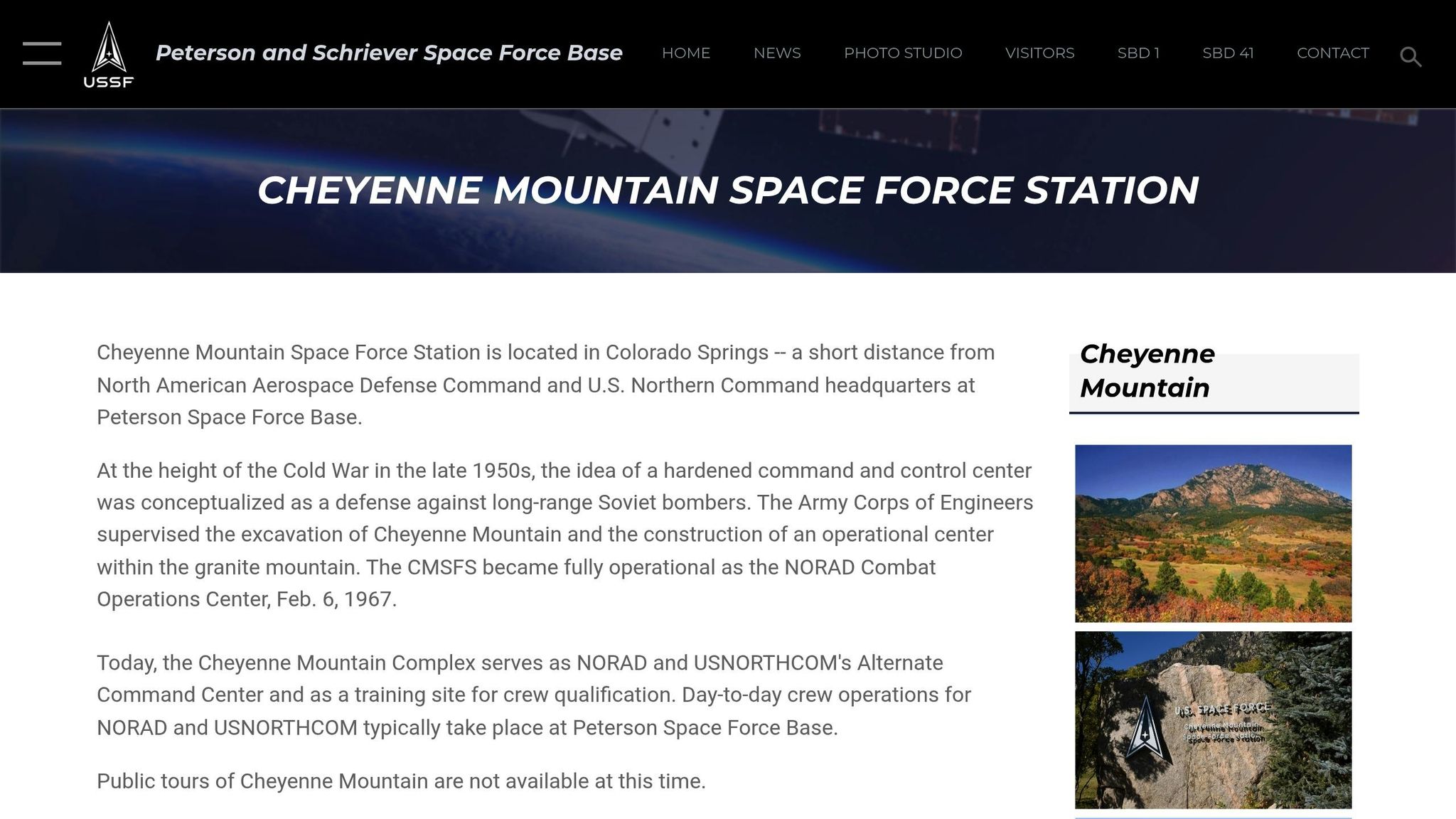
  • TS/SCI Salary Premium – The Real Numbers Behind Your Security Clearance

Related Guides

  • TS/SCI Salary Premium: Real 2026 Numbers
  • Security Clearance Interview: What to Expect
  • « Go to Previous Page
  • Go to page 1
  • Interim pages omitted …
  • Go to page 7
  • Go to page 8
  • Go to page 9
  • Go to page 10
  • Go to Next Page »
  • Facebook
  • Instagram
  • LinkedIn
  • Twitter
  • YouTube

Cleared Cyber Security Jobs | CyberSecJobs.com

  • Contact
  • About
  • Privacy Policy