

Want to excel in cleared cybersecurity roles? This guide breaks down everything you need to know to succeed in this field. Security clearance opens doors to high-paying, specialized jobs, but advancing requires more than just clearance. Here’s the key:
- Understand the field: Cleared cybersecurity jobs are unique, requiring strict adherence to government rules, specialized tools, and ongoing learning.
- Choose your path: Follow one of three career tracks – Technical, Leadership, or Developmental.
- Assess your skills: Use a scorecard to evaluate your technical abilities, clearance level, certifications, and leadership experience.
- Close skill gaps: Identify missing qualifications, certifications, or experience and create a clear plan to address them.
- Leverage resources: Stay updated with certifications, connect with mentors, and use job platforms tailored to cleared professionals.
Start by evaluating your current position, identifying gaps, and taking deliberate steps to advance. Whether you’re aiming for technical expertise, leadership roles, or broader career development, this guide offers a practical roadmap for building a strong, long-lasting career in cleared cybersecurity.
Simple Guide to Cybersecurity Careers with Security Clearance
What Are Jobs in Cleared Cybersecurity?
Jobs in cleared cybersecurity are key roles that need a security pass to get to top-secret info. These jobs are key since the U.S. government and its partners look to trusty pros to keep important national security details, defense setups, and spy tasks safe.
To qualify, you must be a U.S. citizen and pass a deep background check. After you get your pass, you’ll need checks now and then to keep your status through your work life.
People in these jobs work in places where keeping secrets is key. They might help keep military talk lines safe, guard spy data stores, or look after big need-to-protect setups. Any slip-up here could badly hurt national safety.
Since these jobs need strict passes, they are a more select part of the cybersecurity world. This often means they pay more, give better job safety, and put a big focus on staying true to professional standards.
Now, let’s look at the main career paths that can guide your way in cleared cybersecurity.
3 Main Career Paths in Cleared Cybersecurity
Pro in cleared cybersecurity often take one of three main career paths, each giving chances to grow and focus more:
- The Technical Path deals with hands-on tech work. You might start as a security pro or builder, using tools fit for top-secret spots. Later, you could move up to roles like top engineer, designer, or tech expert. This way needs a strong tech know-how and degrees like CISSP or CISM to move up.
- The Leadership Path is about leading teams and tasks. Many start doing tasks alone but move into leader roles. This path can lead to jobs like security head, task head, or even top security boss. Here, you need to be great at talking, smart in planning, and good at handling important people.
- The Developmental Path mixes tech work and wider job chances. It’s usual to start here, learning in different cybersecurity areas. This path lets you move into either tech focus or leading roles. It’s very valued in government spots where learning in different jobs is pushed.
Each path has its own pay levels and timelines to move up, but degrees are key to going forward in any of these ways.
How Cleared Jobs are Different from Normal Cybersecurity Jobs
Cleared cybersecurity jobs bring unique tests and chances that make them different from usual cybersecurity roles. These differences change everything from daily tasks to how your career grows.
- Rules to Follow: Cleared pros must stick to strict government rules like FISMA and RMF, on top of the usual cybersecurity setups.
- Tech Limits: Cleared spots often use only approved tech lists and might use old systems or special government tools not seen in the usual business world. These limits can be tough but also help pros learn niche tech skills.
- Career Money and Moves: Jobs with security clearances often pay more, but you might find fewer places to work than in regular business roles, which let you switch between different fields easily.
- Learning on the Job: If you have a security clearance, you might need okay from higher-ups to get outside training, and often you can only pick from government-okayed programs. But, many groups and firms still put a lot of money into making sure you have custom learning chances.
- Where You Work: Jobs needing clearances are usually set up with fixed hours, set ways of doing things, and clear boss levels. This setup might seem tight if you’re used to the free style of startups. Yet, it does give solid paths to move up in your career.
These points show how distinct cleared cybersecurity jobs are, mixing tough parts and good parts for those who follow this work line.
Breaking Into GovTech: Certifications, Clearances, and Career Secrets with ft. @symonebeez
Making Your Own Clear Cybersecurity Success Card
A personal card is a good tool to check your place in your clear cybersecurity work and plan your next moves. It lets you see your progress and spot where you can get better. Read on to learn about tests and checks you can use to find your strong points and spots to grow.
How to Check Your Skills and Past Work
Start by looking at your skills and past work. Keep these four main parts in mind:
- Technical Skills Check: Write down the tools and tech you have used in clear spots. Mark how well you know each (from new to pro), with extra care for the systems that got an OK from the government.
- Clearance History and Status: Note your current clear level, the date of your last check, and any lie tests you have passed. Add up how many years you’ve kept an active clear – this is key for your work life.
- Project Work List: Lay out the clear work you have done, seeing the reach, money, and results. Show which groups or deals you’ve helped, how big your teams were, and any lead roles. This list helps line up your work with set marks in the field.
- Soft Skills and Leader Check: Think about how good you are at talking, leading, and working with government ways. These skills are often as key as tech know-how.
Main Checks for Clear Pros
In the clear cybersecurity place, some checks are key in making your work path. Here’s what to watch:
- Years of Active Clear: How long you’ve had an active clear can change your career a lot. Pros with 5+ years often make more money, those with 10+ years might go for big boss jobs or special advice roles.
- Value of Certification Group: How much your certs matter is as key as how many you have. Big names like CISSP and CISM are needed, but special ones like GCIH or SANS help a lot in tech jobs.
- Work with Different Agencies: Past work with many big groups or deals – like the Defense Dept (DoD), Homeland Security Dept (DHS), or spy groups – can open many doors in your work life.
- Know-How in Many Security Areas: Having know-how in many cybersecurity areas, such as net safety and rules, makes you able to switch roles and aim for leader spots.
- Lead Team Work: Write down your lead and teaching roles, looking at team sizes, money care, and any proper leader training. Even casual teaching of new folks adds to this check.
Work Level Spot Chart
Knowing where you stand in the clear cybersecurity order can help you set real goals and see where to get better. Use the chart below to check your spot now and plan your next moves:
| Job Level | Work Years | Must Clear | Key Skills | Pay Range | Main Jobs |
|---|---|---|---|---|---|
| Start Level | 0-3 years | Secret/TS | Security+, Network+ | $65,000–$85,000 | Watch security, simple rule tasks, learn work |
| Middle Level | 3-7 years | TS/SCI good | CISSP, GCIH, CISM | $85,000–$120,000 | Lead tasks, set up tech, talk to others |
| High Level | 7–12 years | TS/SCI must | Many top certs | $120,000–$160,000 | Lead programs, plan form, guide teams |
| Top Level | 12+ years | TS/SCI, more | Lead-focused certs | $160,000–$250,000+ | Plan big, watch money, talk to top bosses |
This chart shows both where you are and the gaps you need to fix. For example, if you’re at a mid-level but don’t have TS/SCI clearance, you should make getting it your top goal. If you’re at a high level but need more time leading, try to lead teams or head up big projects.
sbb-itb-bf7aa6b
Job Growth Rules in the Cleared Field
The cleared cybersecurity area has its own set of job move-up rules, not like those in normal cybersecurity jobs. These rules shape how workers in this field set aims and climb the ladder.
Main Steps for Cleared Cybersecurity Job Moves
Job growth in cleared cybersecurity often follows a clear path, with active clearance as a key part. Keeping a long-term clearance can speed up job moves and lead to more money.
Getting know-how in many groups, such as the Department of Defense or Homeland Security, can set you apart when you aim for top jobs. This mix of work in many places is often a big plus for lead roles.
As you go up, what you must do will grow to cover things like handling incidents, sticking to rules, managing risk, and planning security. A wider set of skills becomes key for further moves.
Lead know-how, either by leading teams or running projects, also plays a big part in getting ready for top jobs.
Staying up to date with training on new threats and tech is key to keep moving up in your job.
Tests, when paired with these steps, can speed up your job growth.
Tests: A Push for Job Growth
Tests are a key part of job growth in cleared cybersecurity, with certain ones fitting different stages of your job path. For example, the CISSP test is seen as must-have for getting into top roles. Getting this test early can open doors to lead chances.
Special tests in areas like handling incidents, looking into problems, or other tech areas can make you stand out for jobs that need special know-how. These tests not only boost your skills but can also lead to more pay and access to rare chances.
Tests focused on management show you are ready to take on bigger tasks, such as big planning or running things.
Tests from big firms on top of basic ones add more know-how that makes you specially fit.
Timing is also key. Getting hard tests early in your job can make moves come faster and bring better long-term chances.
While tests can cost a lot, many cleared firms offer help like training and paying back fees, making it easier to take these tests while upping both your pay and job choices.
At last, don’t forget the need to keep tests. Paying to keep learning and test fees should be part of your long-term job plan. A smart plan – starting with basic tests and slowly going toward special and management-focused ones – can help you build a strong and long-lasting job in the cleared cybersecurity field.
Your Plan: Fix Gaps and Move Ahead
With your own score list as a base, this plan helps you find skill gaps and get the right training to move up in your cleared cybersecurity job. By spotting where you need to get better and taking steps on purpose, you can meet special security needs and find new chances.
How to Spot and Mend Your Skills Gaps
First, look at job ads for roles that fit your job aims. Match the skills and papers they need to what you have, and make a list to see where you lack.
If you lack skills with certain security tools, think about training through your work or skill-building programs. To get a better clearance level, talk to your security officer to know your options. To fill leadership gaps, lead projects, mentor others, or take on varied tasks, and note these moves for later use.
Work on one gap at a time. This simple step helps you move at a steady pace without the rush of trying to fix all at once.
Using Papers and Training Well
Pick papers that match your job now and your goals for later. If you’re just starting, basic papers like Security+, Network+, and CySA+ are good first steps. If you’ve been in your field for a while, go for things like CISSP or GCIH, or papers tied to certain techs. If you can get cash back from work for papers, use it.
Plan when to get each paper, making sure you can use new skills in your job before big job moves. Once your training plan is set, mix it with our tool to stay on course and hit your career goals.
Using Cleared Cyber Security Jobs for Job Growth
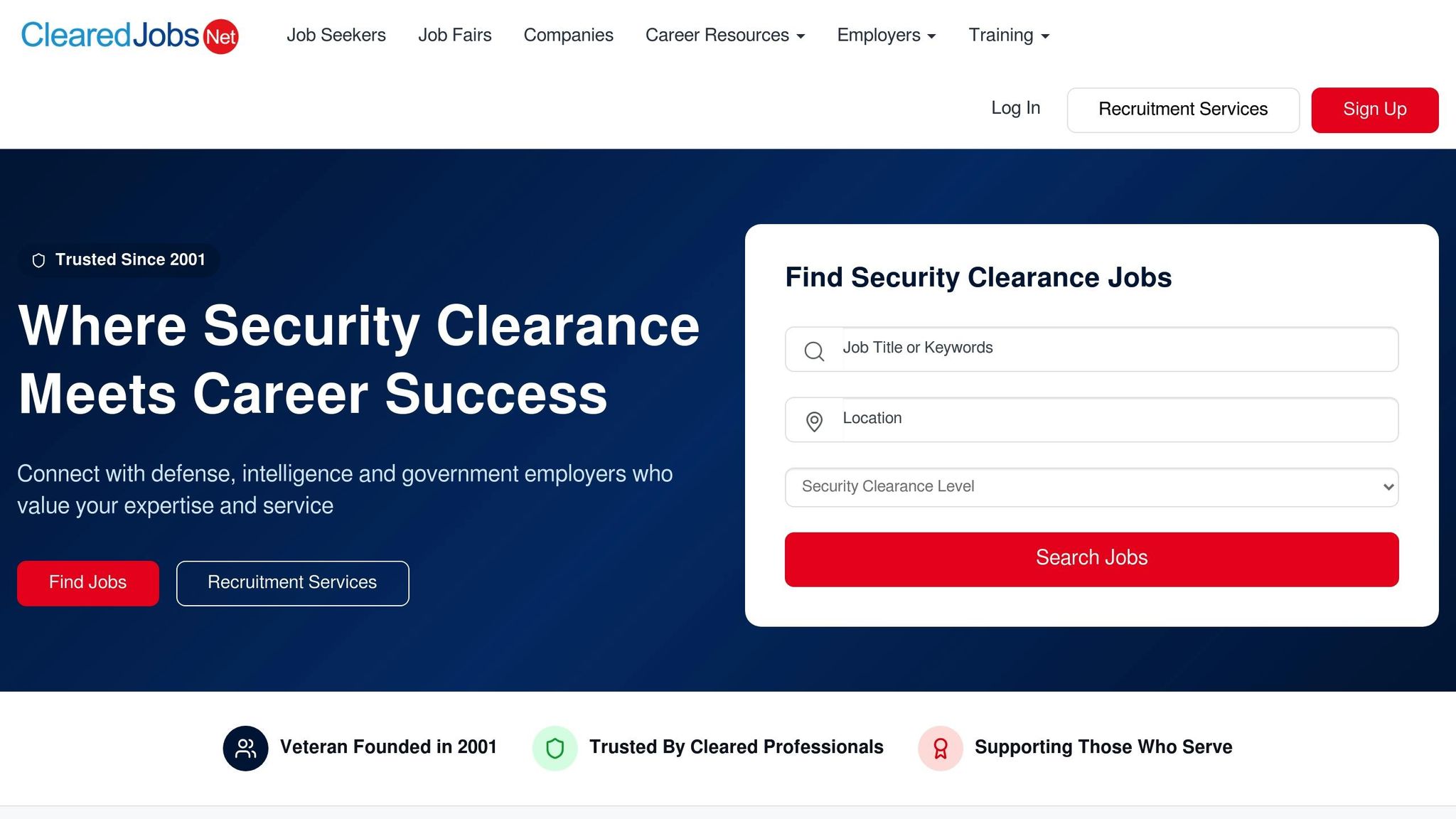
Use Cleared Cyber Security Jobs to the max by setting job alerts that match your aim, keeping your profile fresh with new wins, and going to job fairs on the tool. Use what’s there to keep your clearance and handle tough security rules, making you more liked by employers.
Keep your resume profile on the tool fresh with new papers, wins, and big tasks. Employers search these to find the right people, which can open doors you might not find by a normal job hunt.
Get ready for job fairs by learning about the firms there and their job growing programs. This prep makes your chats with hiring folks better and boosts your shot at making a mark. Also, watch who looks at your profile and who talks to you to see how your job appeal is changing.
Conclusion: Your Next Steps in Cleared Cybersecurity
With your personalized scorecard and action plan in hand, you’re ready to take meaningful steps toward advancing your cleared cybersecurity career. Success in this field requires a mix of honest self-assessment, clear goals, and consistent effort. It’s about turning insights into action.
Start by addressing the most pressing gap you identified – whether it’s earning a new certification, gaining leadership experience, or improving your skills with a specific security tool. Tackling one priority at a time helps you avoid feeling overwhelmed and ensures steady progress.
Keep up with industry developments and certifications to remain competitive. The cybersecurity landscape changes rapidly, and cleared roles often demand knowledge of the latest threats and defense strategies. Regularly updating your professional profile with new certifications and achievements will keep you ahead in this dynamic field.
Your network is another powerful tool. Connect with peers in cleared cybersecurity, seek out mentors, and make use of resources tailored to the cleared community. Attend industry events, join online groups, and build relationships that can lead to opportunities you might not find elsewhere. In the tight-knit cleared community, your reputation and connections can make a big difference. A good mentor can offer guidance, help you set realistic goals, and provide valuable feedback on your career path.
Don’t overlook the resources available through Cleared Cyber Security Jobs. Set up job alerts aligned with your goals and participate in job fairs to meet potential employers. This platform is designed with the cleared community in mind, offering advice and opportunities that fit your unique situation.
Finally, after every application or interview, ask for feedback. Use this input to refine your resume, cover letter, and interview skills, increasing your chances of success in future opportunities.
Your cleared cybersecurity career is yours to shape. With your scorecard, benchmarks, and action plan as your guide, take those decisive steps forward.
FAQs
What steps should I take to address a skill gap in my cleared cybersecurity career?
If you’ve noticed a gap in your skills within your cleared cybersecurity career, the first step is to embrace continuous learning. Dive into expert-led courses, interactive labs, or certifications that align with your specific goals. These tools not only build your knowledge but also provide hands-on experience to strengthen your abilities.
Another great option is exploring upskilling opportunities. Many organizations offer internal training programs or collaborate with educational institutions to provide resources tailored to industry needs. Taking advantage of these can help you stay competitive and meet evolving demands in the cybersecurity field.
Lastly, make it a habit to evaluate your progress regularly. Set clear, measurable goals and track your growth over time. By revisiting and refining your development plan, you’ll ensure you’re always moving forward in your career.
What are the key differences between the Technical, Leadership, and Developmental career paths in cleared cybersecurity?
In cleared cybersecurity, career paths can generally be divided into three distinct categories, each catering to different skill sets and career aspirations:
The Technical path is all about hands-on expertise. It covers areas like network security, ethical hacking, and system administration. Professionals in this track are often expected to earn technical certifications and showcase strong practical skills to excel in their roles.
The Leadership path leans heavily on strategic thinking, creating policies, and managing teams. This route typically requires advanced degrees, leadership certifications, and a proven track record of managing teams and complex projects.
The Developmental path is tailored for individuals looking to deepen their technical expertise or shift into leadership roles. It emphasizes ongoing education, earning certifications, and gaining a broad range of experiences across different technical fields.
Each of these paths supports unique career objectives: technical roles prioritize expertise, leadership roles focus on management, and developmental roles center on growth and specialization.
What certifications can boost my career in cleared cybersecurity, and how do I choose the right one for my goals?
Certifications such as CISSP, CISA, CISM, CEH, and Security+ can play a key role in advancing your career in cleared cybersecurity. If you’re just starting out, Security+ or CEH are excellent options to help you build a strong foundation. On the other hand, if you’re aiming for leadership positions or specialized roles, certifications like CISSP or CISM are better suited to showcase your expertise.
When deciding which certification to pursue, consider where you are in your career and where you want to go. Think about the skills you need to develop and the qualifications required for the roles you’re targeting. Entry-level certifications help establish core knowledge, while advanced ones highlight your mastery and readiness for leadership. Choose a path that aligns with your professional aspirations to set yourself up for success.
Leave a Reply