

In cleared cybersecurity contracting, Labor Categories (LCATs) matter more than your job title. These standardized roles define qualifications, responsibilities, and pay, ensuring consistency across federal contracts. Unlike corporate titles, LCATs are legally binding, outlining exact requirements like certifications, experience, and security clearances. If you don’t meet these criteria, you won’t qualify for the role – no exceptions.
Key Points:
- LCATs are used in federal contracts to set clear standards for roles.
- They dictate required qualifications (e.g., education, certifications, experience).
- Compliance with LCATs is non-negotiable and tied to legal obligations.
- Pay is based on government-defined rates tied to LCAT levels, not negotiable like private-sector salaries.
- Career growth depends on meeting higher LCAT requirements, such as earning advanced certifications.
To succeed in this field, focus on aligning your skills with LCAT requirements. Certifications like CISSP or Security+ are often essential, and meeting these benchmarks can open doors to better roles and higher pay.
What Are Labor Categories (LCATs) in Federal Cybersecurity Contracts
Labor Categories (LCATs) Definition
Labor Categories, or LCATs, are standardized roles used in government contracting to outline specific tasks and qualifications required for a position. Unlike the flexibility often seen in private-sector job descriptions, LCATs are rigid and come with contractual requirements that must be followed to the letter.
These categories serve multiple purposes: they define roles, streamline proposals, clarify responsibilities, and ensure compliance [1]. When a contract is awarded, both the government and the contractor agree to these predefined qualifications and duties.
The government specifies these roles in Requests for Proposals (RFPs), detailing the qualifications and responsibilities for each category. Contractors are responsible for ensuring their staff meet these criteria and maintaining proper documentation for audits [1][3]. Failing to comply with these requirements can result in serious legal and financial consequences [1][3].
Next, let’s explore how these federally defined roles differ from traditional corporate job titles.
LCATs vs. Corporate Job Titles
The distinction between LCATs and corporate job titles goes far beyond just naming conventions. While job titles in the private sector primarily identify someone’s position within an organization, LCATs describe the exact work, duties, and qualifications required under a federal contract [2].
| Corporate Job Titles | Labor Categories (LCATs) |
|---|---|
| Identify a position within a company’s internal structure | Define specific tasks under a federal contract |
| Duties are set internally by the company | Standardized roles focused on compliance and billing |
| Qualifications can be adjusted as needed | Require strict minimum qualifications (education, experience, certifications) |
| Serve as an internal organizational tool | Carry legal and contractual obligations |
Comparison based on industry standards [1][2].
This table underscores how LCATs are compliance-driven and far more rigid than the internal job titles used in the private sector.
LCATs often demand higher qualifications than what’s typical in private industry. This includes detailed requirements for education, years of experience, and certifications or specific skills [1][2]. These aren’t merely guidelines – they are binding contractual obligations.
Compliance is a critical aspect of LCATs. If a contractor bills for an employee who doesn’t meet the specified qualifications, it could lead to violations of the False Claims Act, disallowed costs, and hefty penalties [1][2][3]. For contractors, meeting LCAT requirements isn’t just a matter of business – it’s a legal necessity.
Common LCAT Roles in Cybersecurity
Federal cybersecurity contracts often include a range of standard labor categories, each with its own qualifications and responsibilities. These roles span from operational support to strategic risk management, ensuring that only qualified professionals handle key cybersecurity functions. This structured approach guarantees that the right expertise is applied to safeguard critical systems.
(live) LCATS 101 for Government Contractors | Intro to Labor Categories
Why Labor Categories (LCATs) Matter More Than Job Titles
In the cleared cybersecurity world, your Labor Category (LCAT) carries far more weight than a job title. Unlike private sector job titles, which can vary widely and often lack standardization, LCATs create a clear framework that directly influences your responsibilities, pay, and career progression. Below, we’ll explore how these structured definitions shape hiring decisions and compensation in federal contracting.
How LCATs Define Responsibilities and Qualifications
LCATs act as standardized role definitions in government contracting, setting clear expectations for qualifications, experience, and responsibilities. When a contract specifies an LCAT, it lays out in detail what’s required for the role. These definitions aren’t just guidelines – they’re binding. They often include the necessary security clearance level, such as SECRET or TOP SECRET, and other critical qualifications.
For example, if an LCAT requires a CISSP certification and five years of experience in network security, those become non-negotiable. This structure ensures compliance with federal regulations and helps maintain a well-qualified workforce, especially in sensitive areas like national security.
Contractors rely on these precise definitions to assign personnel to roles. Meeting every requirement under an LCAT isn’t optional – it’s essential for fulfilling contract terms and maintaining compliance.
LCATs and Federal Contracting Requirements
Federal contracting takes these role definitions a step further by embedding LCAT standards into Requests for Proposals (RFPs). These RFPs outline detailed labor categories with specific qualifications that contractors must adhere to. This ensures that only professionals with the right credentials handle critical cybersecurity tasks.
For contractors, aligning personnel qualifications with LCAT requirements is not just a best practice – it’s a legal obligation. Missing even one required qualification can lead to serious consequences, including financial penalties or legal violations [1]. In this environment, recruiters and hiring managers don’t have the flexibility to overlook gaps in qualifications. If an applicant doesn’t meet every LCAT requirement, they’re typically not considered for the role. This strict adherence underscores the high-stakes nature of government contracting.
LCATs vs. Job Titles Comparison
The differences between LCATs and traditional job titles become clear when you look at how they shape careers in cybersecurity:
| Feature | Labor Category (LCAT) | Traditional Job Title |
|---|---|---|
| Role Definition | Clearly defined by federal contract terms, with career growth tied to meeting specific LCAT criteria. | Duties vary by organization, with promotions based on internal policies. |
| Qualifications | Specifies required education, certifications, and experience as mandatory. | Offers general guidelines with more flexible expectations. |
| Salary Benchmarks | Pay is determined by government schedules and industry benchmarks, ensuring consistency. | Salaries can fluctuate widely based on company policies and location. |
| Compliance | Requires strict adherence to qualifications to avoid legal or contractual issues. | Governed by internal company standards, allowing more leeway. |
Government contracts often set specific hourly rates for each LCAT, meaning pay is tied directly to the role’s defined qualifications. Unlike private sector roles, where salary negotiations can depend on individual performance or company policies, LCAT-based compensation follows established government pay scales. As you qualify for higher-level LCATs, your pay increases accordingly, offering a clear and predictable path for career advancement.
sbb-itb-bf7aa6b
How LCATs Shape Hiring, Project Assignments, and Compensation
LCATs play a key role in shaping the hiring process, project assignments, and pay structures within cleared cybersecurity contracting. They offer a structured approach that connects job responsibilities with agency and contractor expectations, influencing how professionals are hired, assigned to projects, and compensated. If you want to stay competitive, understanding LCATs and aligning your skills with their requirements is a must.
LCATs in Hiring and Staffing Decisions
In government agencies and contracting firms, hiring doesn’t start with a job title – it starts with LCAT requirements. These requirements outline the security clearance, certifications, and experience needed for specific roles. Hiring managers use them as a checklist to evaluate candidates and ensure they meet the criteria laid out in contracts.
As project needs shift, contracts may call for different LCATs at various stages. This means teams often need to reassess roles and adjust staffing to match new requirements. For professionals, meeting LCAT criteria isn’t optional – it’s a baseline. Aligning your qualifications with these standards is essential if you want to land and maintain roles in this field.
LCATs and Salary Benchmarking
LCATs also help establish a transparent pay structure in cleared cybersecurity contracting. Government contracts typically define hourly rates or salary ranges for each LCAT. While these benchmarks set a foundation, factors like market demand, location, security clearance level, and certifications can impact actual pay.
This structured system benefits both contractors and professionals. Contractors can create competitive compensation packages to attract top talent, while professionals gain a clear roadmap for career growth. By understanding what it takes to move from one LCAT level to the next, you can make informed decisions to advance your career and boost your earning potential.
Aligning Your Career with the Right Labor Category
In the world of cleared cybersecurity contracting, aligning your career with the right labor category (LCAT) is a crucial step toward achieving professional growth and competitive pay. The key is to match your skills with the requirements of these roles while planning for future development.
Mapping Your Skills to LCAT Requirements
Start by evaluating your current qualifications – education, certifications, and experience – against the specific requirements of your target LCAT. Create a detailed list of your security clearance, certifications, and job experience to identify any gaps in your qualifications. By comparing this list to the requirements for the roles you’re aiming for, you can pinpoint areas that need improvement and create a plan to address them.
Focus on certifications that hold value across different LCATs. For entry-level roles, foundational credentials like CompTIA Security+ are often essential. As you aim for more senior positions, consider advanced certifications such as CISSP, CISM, or SANS GIAC. Vendor-specific certifications can also help you stand out for specialized roles.
Adding relevant certifications can help you qualify for advanced LCATs, especially when formal education is a key factor. Once you’ve mapped your skills, use targeted job platforms to find roles that align with your qualifications.
Using Cleared Cyber Security Jobs to Target LCAT-Specific Roles
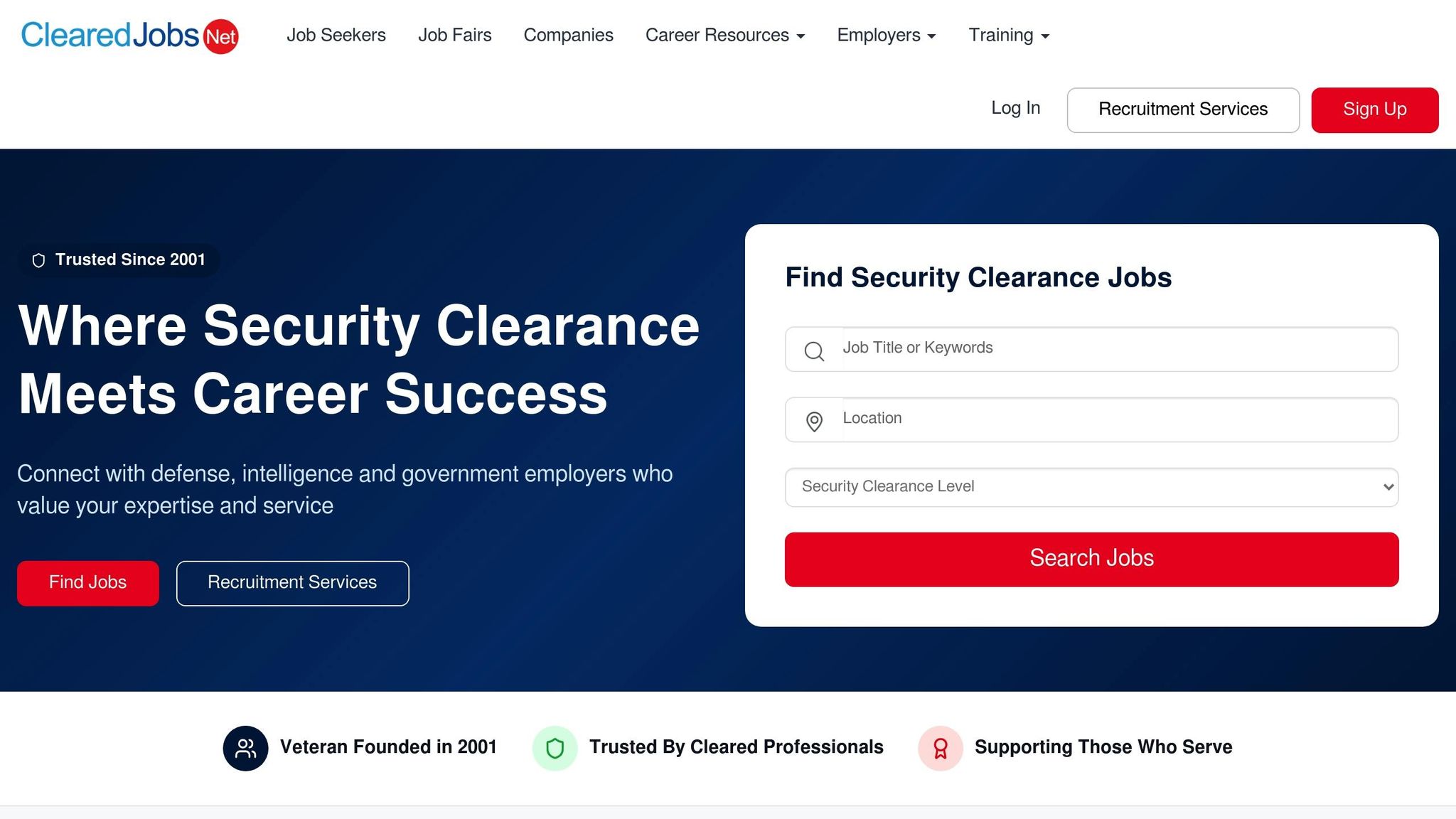
After identifying your qualification gaps, focus on roles that match your current profile by leveraging specialized job search tools. Platforms like Cleared Cyber Security Jobs offer advanced search filters to help you narrow down opportunities by security clearance level, required certifications, and relevant experience. This makes it easier to find positions that align with your skills and career goals.
To increase your visibility to recruiters, optimize your profile with LCAT-specific keywords and set up job alerts. Since cleared positions often fill quickly, applying early can give you an edge over other candidates.
Additionally, job fairs hosted on these platforms provide a chance to connect directly with employers who are actively hiring for LCAT-specific roles. These events can also give you insight into upcoming contract opportunities that may not yet be publicly advertised.
Advancing Through LCAT Levels
Career progression in cleared cybersecurity often follows a structured hierarchy, from entry-level roles to positions for experienced specialists. Advancing through LCAT levels requires meeting the evolving demands of these roles, which often include greater responsibility and higher compensation.
Continuous learning is essential for growth within the LCAT framework. Senior roles typically require expertise in cutting-edge areas like cloud security, zero trust architecture, and other emerging technologies. Proactively seeking training in these fields can set you apart from the competition.
Develop a certification roadmap aligned with your career goals. For instance, if you’re aiming for a leadership role in risk management, consider pursuing certifications like CISA or CRISC to complement your existing credentials. Earning multiple, targeted certifications can make your profile more attractive for advanced positions.
Plan your career transitions strategically, using certification milestones and project achievements as benchmarks. While advancing too quickly without sufficient experience can hurt your credibility, staying in an entry-level role for too long may limit your earning potential. Keeping pace with industry trends and adapting to new demands will ensure you’re ready for desirable roles as they become available.
Conclusion: The Role of LCATs in Cleared Cybersecurity Careers
Labor categories, or LCATs, are the backbone of cleared cybersecurity careers. Unlike the corporate world, where job titles often define your role and career trajectory, the federal contracting landscape operates on a unique principle: your LCAT dictates your responsibilities, earning potential, and career opportunities.
LCATs establish a uniform framework that influences everything from hiring decisions to salary structures. While corporate titles can vary widely and lack consistency, LCATs provide clear and measurable standards for qualifications, duties, and compensation.
This system offers a mix of opportunity and responsibility. On one hand, it provides a transparent roadmap for career progression – spelling out exactly what certifications, experience, and education you need to move up the ladder. On the other hand, it demands strict compliance, requiring professionals to continually update their qualifications to stay aligned with evolving federal requirements.
To thrive in this space, a strategic approach is essential. Rather than focusing on job titles, direct your energy toward meeting the specific criteria of your target LCAT. Keep your certifications up to date and maintain detailed records, as these are critical during audits and evaluations [4].
Professionals who embrace this system and align their skills with federal benchmarks set themselves up for long-term success. The cleared cybersecurity market values expertise and security clearances, often rewarding these with competitive compensation. By mastering the LCAT framework, you can position yourself for sustained growth and maximize both your career potential and financial rewards.
In the corporate world, a job title might open doors. In cleared cybersecurity contracting, however, your labor category determines which doors you can access in the first place.
FAQs
How do Labor Categories (LCATs) impact my career advancement in federal cybersecurity contracting?
Labor Categories (LCATs) are a cornerstone of federal cybersecurity contracting. They outline the qualifications, duties, and scope of work for specific roles, directly influencing the projects you qualify for and your earning potential.
When you understand LCATs, you can better match your skills and experience to the right category. This alignment not only helps you land roles that fit your career aspirations but also opens doors to more impactful assignments. It can enhance your visibility within the field and increase your chances of advancing in the competitive world of federal contracting.
How can I qualify for a higher-level labor category (LCAT) in cybersecurity?
To qualify for a higher-level LCAT in cybersecurity, you’ll need to build extensive experience – usually more than 10 years in relevant positions – and consider pursuing advanced education, like a master’s degree in a related field. It’s also important to develop specialized expertise in areas such as advanced cybersecurity methods, leadership, and overseeing high-stakes projects.
On top of that, focus on obtaining industry-recognized certifications that match the requirements detailed in official LCAT descriptions. Keeping up with the latest cybersecurity standards and trends through ongoing professional development will further improve your chances of meeting the criteria for higher-level LCAT roles.
Why do Labor Categories (LCATs) matter more than job titles in federal cybersecurity contracts?
Labor Categories (LCATs) play a key role in federal cybersecurity contracts, often outweighing the importance of job titles. Unlike job titles, which can differ widely between organizations, LCATs rely on standardized criteria to outline the qualifications, experience, and responsibilities required for specific roles.
This consistency allows agencies and contractors to match the right professionals to the right tasks more effectively. It streamlines hiring decisions while ensuring compliance with federal regulations. By focusing on LCATs, you can gain a clear understanding of role expectations, align your skills with federal contract requirements, and position yourself for career advancement and competitive pay within the cleared community.
Related Blog Posts
- CIO-SP3 Cybersecurity Positions vs DISA Encore III – Which Vehicle Drives Your Career?
- TS/SCI Salary Premium – The Real Numbers Behind Your Security Clearance
- Remote Cleared Cybersecurity Jobs – The Reality for TS/SCI Holders
- CIO-SP3 Cybersecurity Positions vs DISA Encore III – Which Vehicle Drives Your Career?
Leave a Reply